
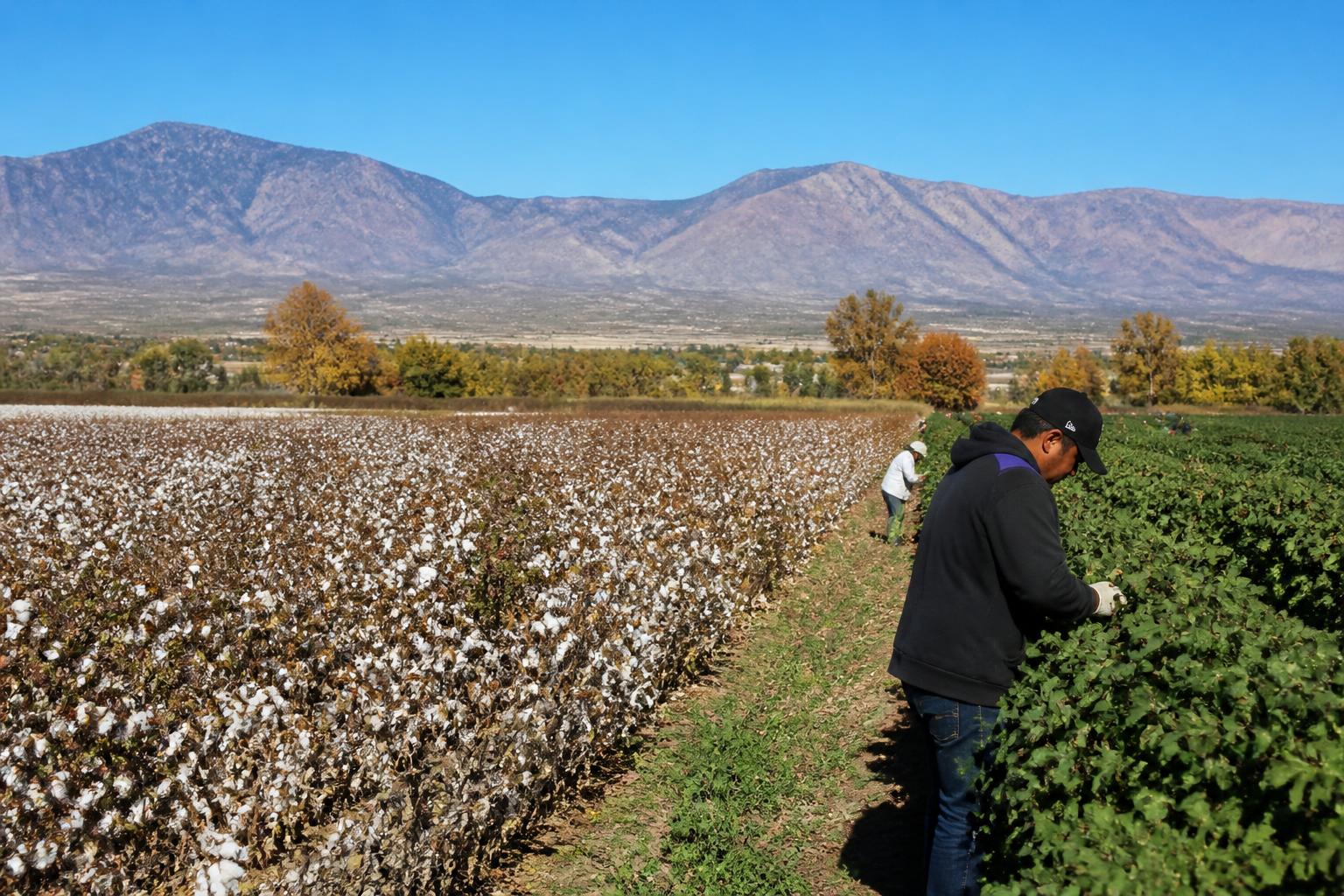
For Arizona agribusinesses, the fall season represents a critical period for balancing operational efficiency with the realities of a shifting input market. With the recent focus on agricultural innovation and potential grant funding, many producers are looking toward long-term strategies to offset persistent volatility in essential supplies. Ensuring that logistics chains remain robust is vital for growers across the state, particularly as they manage the movement of inputs and goods through key hubs.
Infrastructure and Operational Resilience
Investments in state agricultural hubs, supported by recent grant funding, may provide necessary support for farms aiming to modernize their supply chains. These developments are timely, as growers across regions—from the Casa Grande corridor to the fertile fields of Yuma—continue to navigate the complexities of water management and regional resource availability. Strengthening local infrastructure is often a key strategy for mitigating the impact of broader economic pressures on logistics and transportation schedules.
For those managing the inbound flow of fertilizers and specialized machinery, maintaining clear communication with regional logistics partners remains essential. Volatility in input pricing continues to influence purchasing decisions, pushing many handlers to seek more predictable transit models to avoid supply chain bottlenecks. Effective management of these seasonal transit pressures can be a deciding factor for profitability as the fiscal year closes.
Looking Ahead: Strategic Planning for Agribusiness
As the winter months approach, growers may face additional weather-related variables that impact both yield and logistics. While innovation grants are providing new tools for the industry, the daily task of optimizing fleet utilization and monitoring local fuel and fertilizer price trends persists. Farmers and elevator managers who prioritize flexibility in their sourcing and transportation contracts are often better positioned to adapt to unexpected shifts in the regional market.
Ultimately, the health of the Arizona agricultural sector relies on the ability to integrate emerging tech with established transit practices. By focusing on site-specific logistics and leveraging new state-funded innovations, stakeholders can better protect their operations against the fluctuations typical of the current trade and supply environment.
What it means for the market: For Arizona stakeholders, the combination of targeted innovation funding and a disciplined approach to logistics provides a buffer against input cost volatility. Maintaining focus on streamlined transport routes and proactive communication with supply partners will be essential as the industry transitions into the winter season.
Comments
No comments yet - be the first to share your take.