
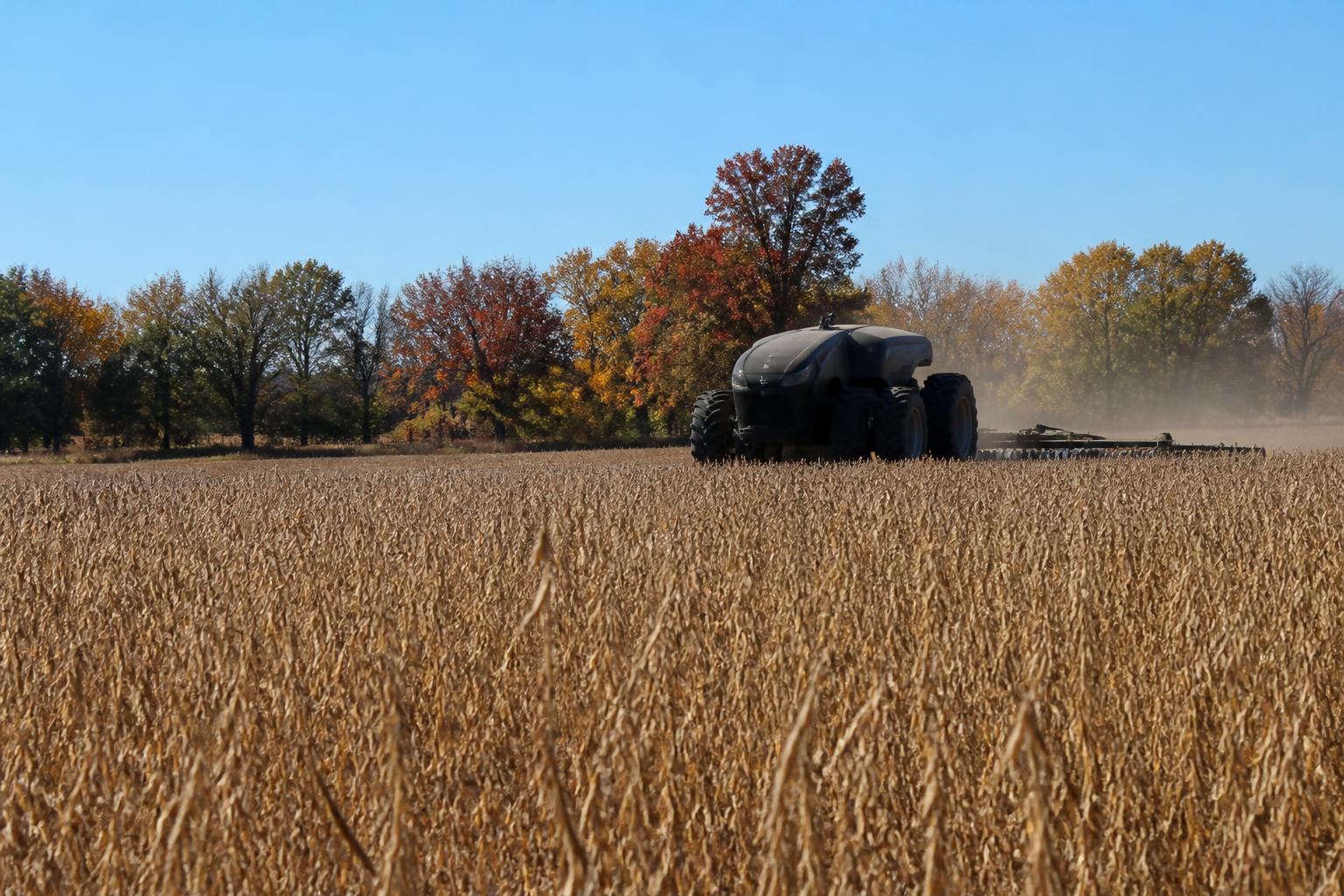
With the autumn harvest season entering its final stages, Kansas producers are shifting their focus toward financial planning and input management. While yield outcomes for crops like soybeans have shown resilience, the broader economic environment remains challenging for many agribusinesses across the state. A primary concern for farmers heading into the next planning cycle is the persistent volatility in fertilizer markets.
Global geopolitical tensions continue to introduce uncertainty, and many analysts suggest that producers should not wait for international resolutions before assessing their own risk exposure. For Kansas growers, who are often balancing tight operational budgets against fluctuating input costs, the decision on when to secure nitrogen, phosphorus, and potassium supplies can significantly impact bottom-line profitability. Managing these input costs is a critical part of navigating the current agricultural landscape, much like how farmers must consider logistics and financial pressures throughout the growing year.
Evaluating Input Strategies
Beyond immediate market pricing, there is growing interest in policy-driven relief. Some federal proposals have sought to address these high input costs directly, though the efficacy of such measures remains a topic of active discussion among regional stakeholders. As producers evaluate their fall and spring requirements, many are turning to data-driven management tools to optimize application efficiency. Whether managing crop protection and yield variability or fine-tuning fertilizer rates, the ability to lower the cost per bushel is paramount.
Operational Efficiency in a Costly Environment
The financial strain felt by growers is exacerbated by broader logistics and overhead expenses. High fuel costs continue to influence everything from field operations to the transport of grain to local terminals. As infrastructure needs evolve, including concerns over harvest logistics and rising fuel expenditures, efficiency has become the primary hedge against compressed margins. Producers are increasingly looking at their full-farm operational structure to identify where costs can be managed without compromising future yield potential.
What it means for the market
For Kansas agribusinesses, the current market climate necessitates a proactive rather than reactive stance on input procurement. Relying on historical price patterns may be less effective in the current environment, given the sensitivity of the supply chain to external shocks. Farmers who work closely with their local cooperatives to lock in pricing or hedge against delivery risks may find themselves in a stronger position as the next planting season approaches. Prioritizing liquidity and maintaining flexibility in input programs will likely be key to sustaining profitability throughout the coming year.
Comments
No comments yet - be the first to share your take.