
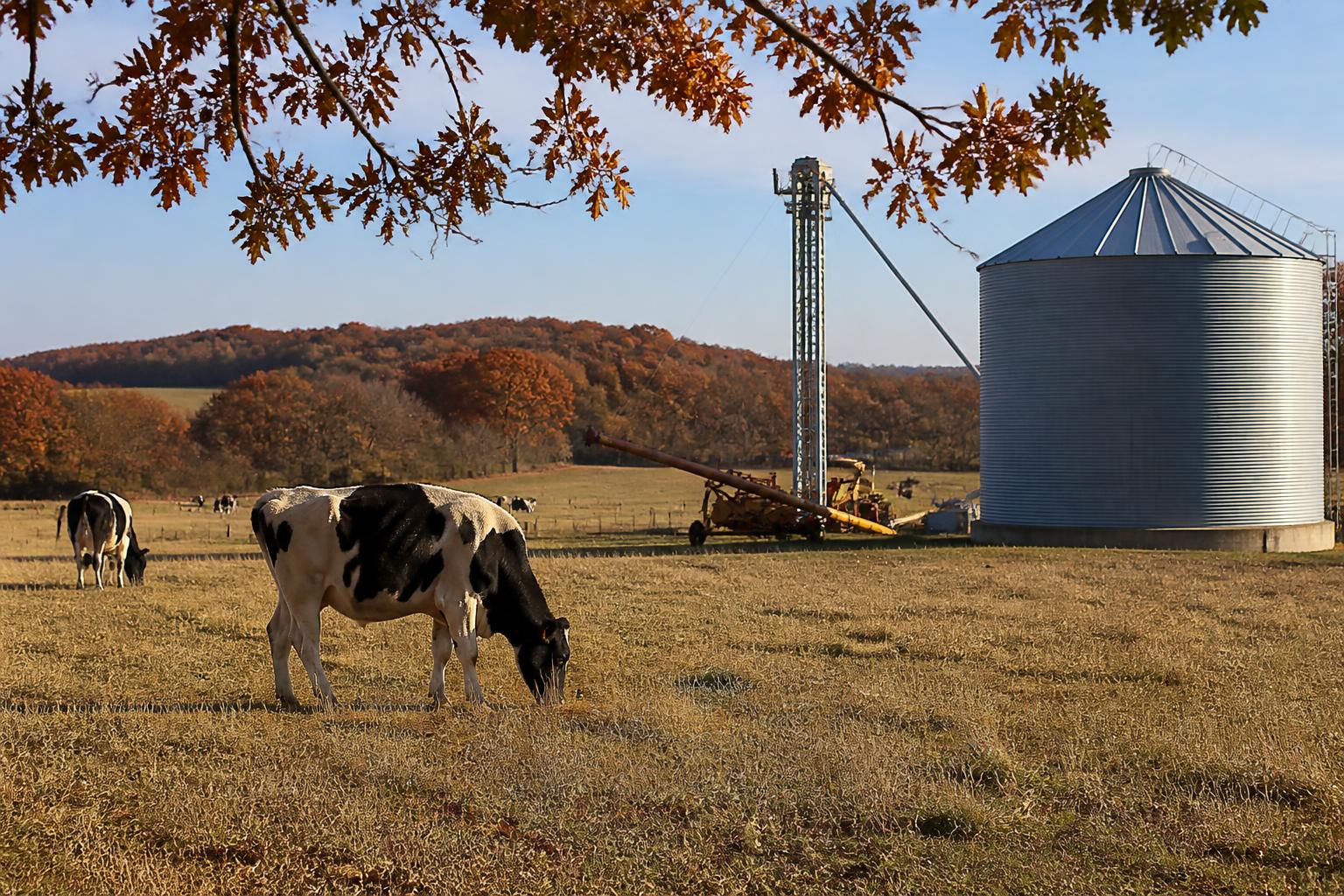
With the autumn harvest season entering its closing stretch, Indiana producers are managing the dual priorities of efficient crop movement and farm-level safety. While growers work to clear fields and manage storage across the state's diverse agricultural regions, recent industry alerts underscore the importance of maintaining rigorous operational standards to protect both personnel and livestock inventories.
As farmers navigate the logistics of a demanding late-season harvest window, maintaining consistent communication with grain elevators remains a critical component of successful inventory management. Producers are encouraged to verify site-specific safety requirements for grain handling, as standard operating procedures often become more stringent during peak delivery periods.
Prioritizing Safety in Grain Handling
The intensity of the harvest season can create hazardous conditions around grain bins and storage facilities. Industry advocates continue to emphasize that safety protocols must remain non-negotiable, even as the push to empty field bins and move grain to regional storage increases. Ensuring that all equipment is properly serviced and that staff are fully trained on confined space hazards remains a primary concern for local operations.
Biosecurity and Herd Management
The agricultural community is also responding to reports of avian influenza within Indiana dairy herds. For livestock producers, this emphasizes the necessity of reviewing and potentially tightening existing biosecurity plans. Following recommended sanitation practices and limiting non-essential site access can help mitigate the risks associated with the spread of the virus. Staying informed on regional logistics and quality management is vital as the state continues to navigate these emerging health challenges alongside traditional seasonal field work.
What it means for the market
These operational adjustments represent the realities of modern Indiana agriculture, where producers must manage external market pressures and biological risks simultaneously. By prioritizing safety and strict biosecurity, farmers can help protect their assets and maintain the integrity of the state's supply chain as they close out the current production year. Ongoing attention to these details helps minimize downtime and supports a more stable market environment for all stakeholders, from regional elevators to commercial dairy operations. For more updates on regional trends, keep track of our latest market infrastructure assessments.
Comments
No comments yet - be the first to share your take.