
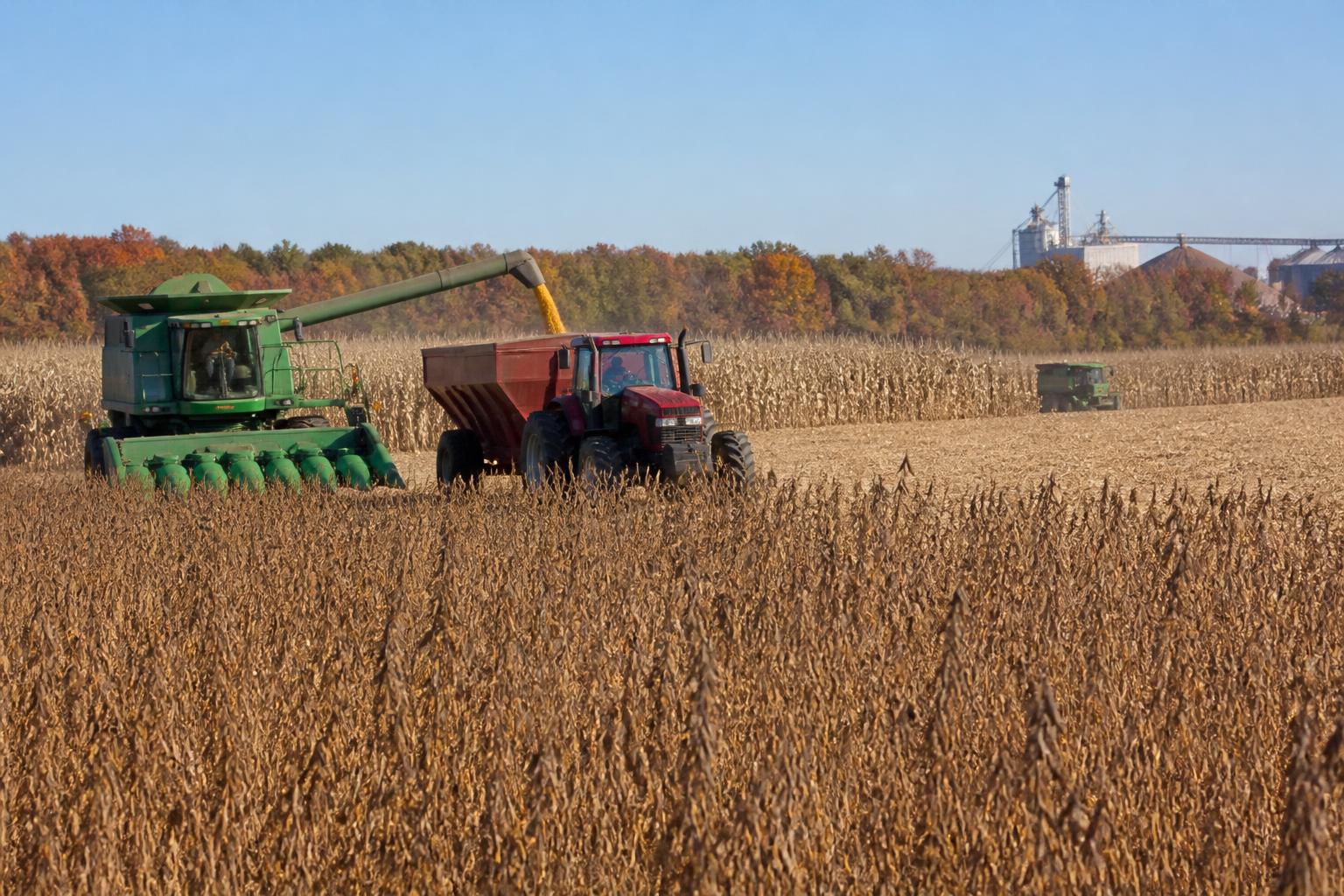
The Indiana harvest season is moving forward as producers navigate a complex late-season landscape. While initial reports from southern regions have highlighted encouraging yield expectations, the broader state picture remains varied. Recent weather patterns have introduced moisture-related challenges, with saturated fields in certain areas contributing to inconsistencies in crop maturity and grain quality.
Managing these variables is critical for navigating field variability and regional basis shifts during this period. For those working in low-lying or flood-prone areas, the impact of elevation on final yields has become a focal point, as repeated water stress continues to influence field-by-field performance. Farmers are encouraged to keep a close watch on local moisture readings and adjust drying capacity accordingly to preserve grain integrity throughout the remainder of the cycle.
Infrastructure and Input Access
Logistical support in the state is seeing significant long-term shifts. With new major distribution projects underway in northern Indiana and recent investments in dry fertilizer capacity, the regional supply chain is adapting to support broader access for local growers. These infrastructure developments are aimed at streamlining input availability and reducing the burden of long-haul logistics during the peak shipping season.
However, short-term volatility remains a reality. Agribusinesses and carriers are currently adjusting to the realities of a demanding harvest cycle. Ensuring reliable transport remains a priority as the state handles the flow of product from farm to elevator.
What it means for the market
The current market environment requires a vigilant approach to operational efficiency. With yield variability and localized moisture issues impacting bottom lines, producers should prioritize grain quality management and maintain tight communication with local elevators. As regional infrastructure continues to expand, maintaining flexibility in transportation and storage decisions will be essential to mitigating the risks of a complex and weather-impacted harvest.
Comments
No comments yet - be the first to share your take.