
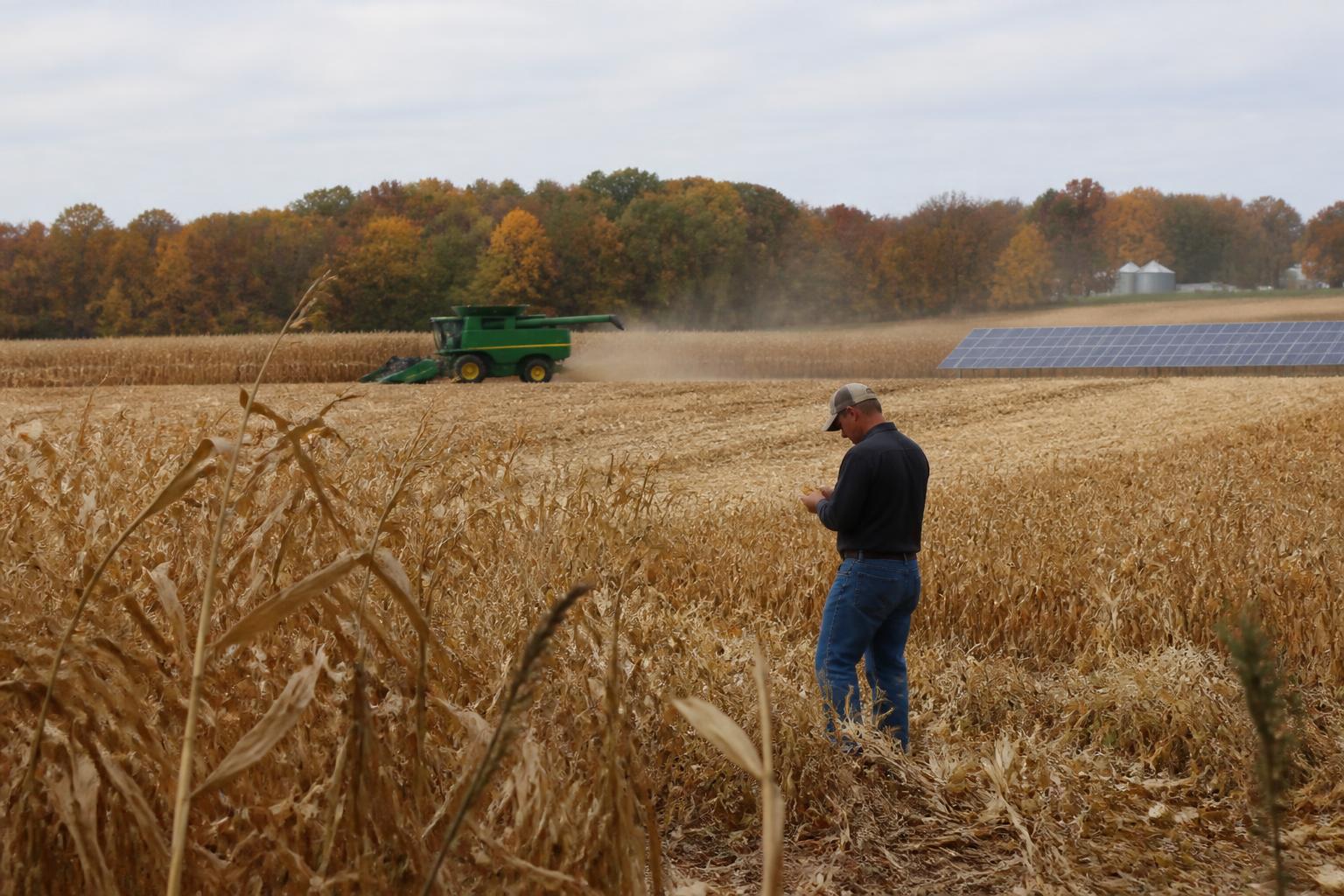
As Indiana producers push through the final stages of the fall harvest, regional insights highlight both field-level variability and significant shifts in the state's agricultural landscape. Reports from across the state suggest that while corn yields have shown strength in many areas, producers are managing significant inconsistency in field performance. This variability underscores the importance of precise logistics and regional basis management as farmers work to maximize returns during this critical window.
Expanding Infrastructure and Demand
The Indiana agricultural economy is seeing a wave of development that may influence long-term grain movement. Recent investments in facilities near Indianapolis point to a focus on research and health, while facility expansions in Orange County are expected to bolster local grain demand. For grain handlers and transport providers, these developments could signal shifting traffic patterns and evolving delivery requirements in the coming seasons. Keeping an eye on these localized hubs is essential for those coordinating the flow of commodities from field to end-user.
Innovation in the Field
Beyond traditional logistics, the state continues to explore the intersection of technology and production. Research initiatives, such as those studying crop performance in proximity to solar installations, reflect an ongoing interest in land-use efficiency. Furthermore, potential market opportunities in industrial hemp products and corporate realignments among major seed and crop protection suppliers suggest a diversifying landscape for Indiana farmers. These factors, combined with the ongoing work of local agricultural leadership, continue to shape how the state prepares for future production cycles.
What it means for the market
For agribusinesses and transport partners, the current environment demands agility. As the harvest continues, balancing the immediate need for efficient late-season transport with an understanding of these broader infrastructure and business changes will be key to navigating the remainder of the year. Monitoring local storage capacity and regional basis shifts remains the most effective strategy for managing current price fluctuations.
Comments
No comments yet - be the first to share your take.