
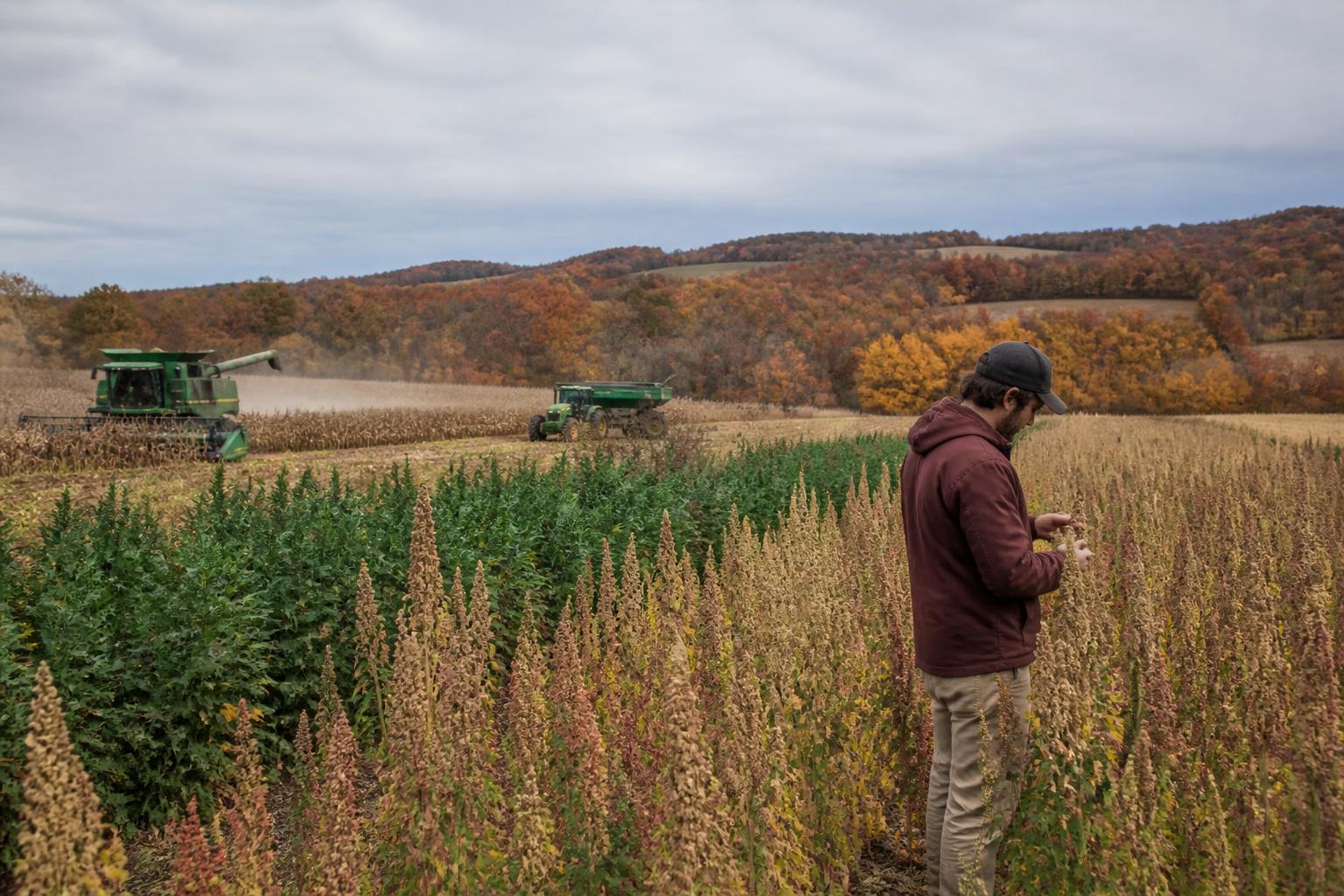
For North Carolina corn producers currently navigating the challenges of a busy fall season, the temptation to reduce input costs by scaling back nitrogen applications remains a significant point of discussion. However, industry guidance emphasizes that nitrogen remains a critical driver for maintaining yield potential. Instead of trimming rates, agricultural experts suggest that the focus for the upcoming cycle should be on optimizing application timing and placement to ensure maximum crop uptake.
Efficient nutrient management is particularly vital in the context of recent logistical shifts across the state. As growers manage the tail end of harvest and begin planning for next season's fertility requirements, balancing input costs with long-term soil health and productivity is essential. Effective logistics planning for fertilizer delivery can play a pivotal role in ensuring that essential nutrients reach the field when they are most needed, minimizing storage risks and optimizing farm-gate efficiency.
Refining Fertility Strategies
Beyond traditional nitrogen management, North Carolina producers are also exploring broader fertility needs, including the role of potassium in overall crop health. Integrating these nutrients effectively requires a nuanced approach to soil testing and site-specific application. Furthermore, as the industry evolves, there is ongoing interest in alternative soil amendments, though the usage of various products continues to spark debate regarding environmental impact and regulatory compliance.
The Long-Term Outlook
As academic and extension research continues to provide data on new crop varieties—such as recent efforts to expand quinoa cultivation—the core of North Carolina's agricultural success remains rooted in established row-crop management. Strengthening regional expertise through institutions like NC A&T helps ensure that farmers remain competitive in an increasingly complex global market. Maintaining a disciplined approach to input utilization is not just about short-term savings; it is about building the resilience necessary to navigate the inherent volatility of production agriculture.
What it means for the market
For North Carolina agribusinesses and growers, the takeaway is clear: efficiency is the new economy. By prioritizing precise nitrogen application over simple rate reduction, producers can better protect their margins. Meanwhile, for regional distributors and transport providers, staying attuned to shifting regional demand—driven by both traditional crop management and emerging agricultural trends—will be crucial for maintaining a reliable supply chain as the industry moves toward the next planting cycle.
Comments
No comments yet - be the first to share your take.