
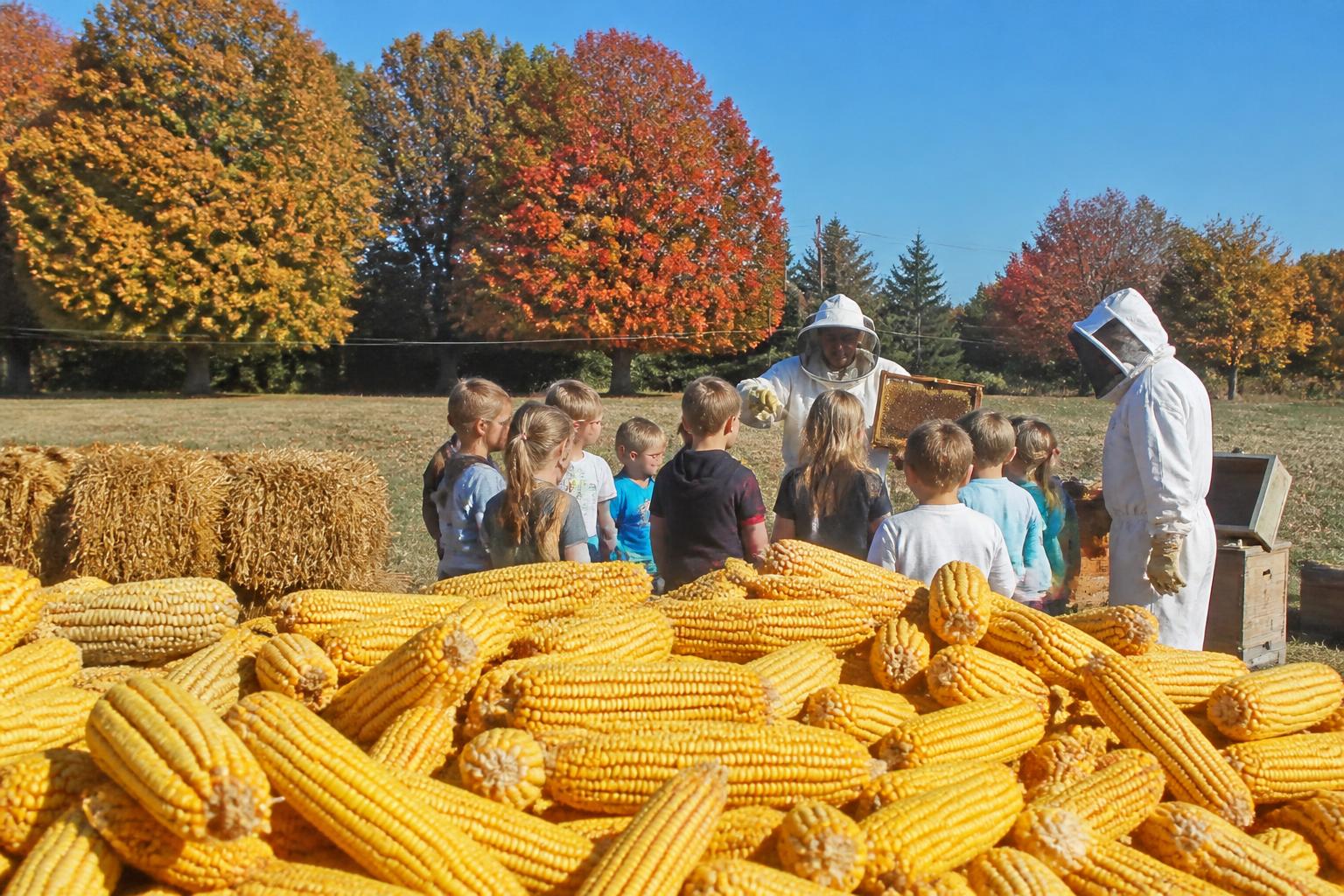
South Dakota farmers are moving into the final stages of the fall harvest, a period often defined by a race against shifting weather patterns. As the season progresses into November, moisture levels in some regions may complicate field access, leading to potential delays that test the resilience of local operations. For producers managing both corn and soybean acreage, these late-season conditions often require careful balancing of logistics and storage capacity.
While many operations are focused on wrapping up field work, the broader agricultural landscape remains sensitive to policy-driven variables. Discussions regarding the federal farm bill continue to influence producer sentiment as the industry navigates a complex economic environment. Understanding the impacts of these operational and legislative hurdles is essential for maintaining stability as the state approaches the winter months.
Resource Management and Infrastructure
Beyond the field, there is a continued focus on resource security. Recent state-level investments in water infrastructure aim to bolster long-term sustainability, an area of increasing importance for livestock and crop operations alike. These resources, coupled with ongoing efforts to mitigate wildlife-related crop damage, highlight the multi-faceted approach necessary for modern agricultural risk management.
What it means for the market
The market environment remains cautious as the harvest concludes. Producers should continue to monitor storage availability and potential regional transport bottlenecks. With legislative outcomes on the horizon and field conditions dictating the final pace of delivery, prioritizing flexible logistics and proactive communication with local elevators will be key to managing year-end risks.
Comments
No comments yet - be the first to share your take.