
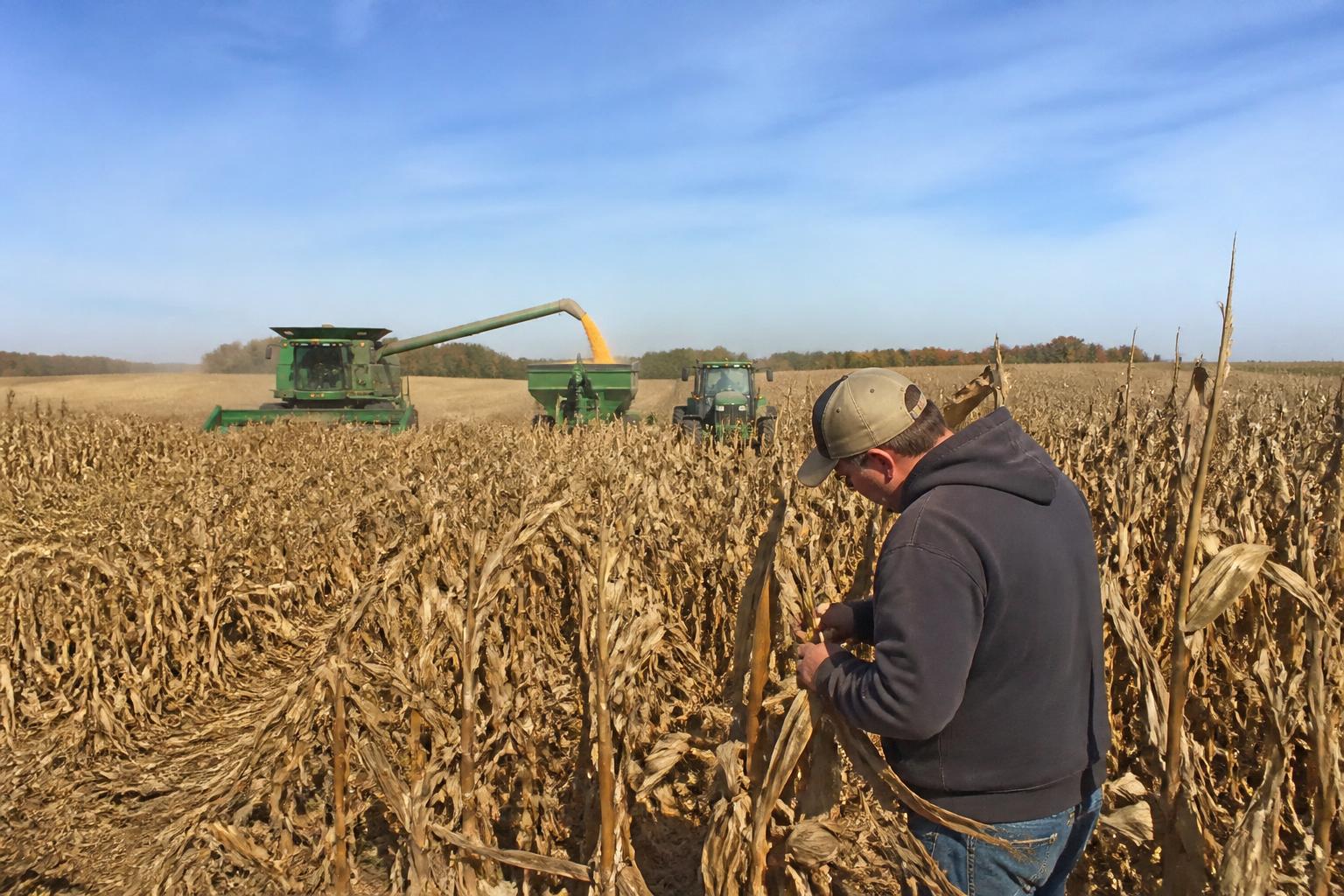
As the final stretches of the harvest season continue across South Dakota, producers are navigating a landscape defined by significant variability. While some regions report promising outcomes, field conditions remain a primary concern. The intersection of variable crop moisture levels and the ongoing need for efficient logistical planning means that many operators are adjusting their strategies mid-swing to ensure grain quality is maintained through transport and storage.
Managing Field Risks and Infrastructure
In various parts of the state, managing the pace of the harvest has become just as critical as the yields themselves. Producers in the northern and central plains are monitoring their fields closely, particularly as late-season crop disease issues have surfaced in some corn acres. Effective risk management in South Dakota remains a cornerstone for those looking to protect their margins against fluctuating local basis levels. Additionally, as grain moves through the supply chain, many elevators are keeping a close eye on transport efficiency, emphasizing that early communication with logistics partners can help smooth out the bottlenecks often seen during peak delivery windows.
Input Costs and Economic Headwinds
Beyond the field, the economic environment remains complex. Recent discussions at the federal level regarding fertilizer investments suggest a long-term focus on lowering input costs, yet producers are currently managing immediate price pressures. Furthermore, with market signals shifting, growers are evaluating their grain marketing strategies with heightened caution. Understanding how to navigate yield variability is essential, as the financial impact of uneven crop performance can ripple through an operation's entire annual budget.
Logistical Continuity
Reliable infrastructure continues to be a point of emphasis for South Dakota agribusinesses. From local grain transport to regional rail access, maintaining a steady flow of commodities is vital for those aiming to capitalize on market opportunities before the winter months fully set in. As seen in previous seasons, regional bottlenecks can be mitigated when operators have clear insight into storage capacities and transportation scheduling.
For more updates on seasonal trends, review our latest analysis on balancing yields and logistics to ensure your operation remains resilient through the end of the year.
What it means for the market
The current environment requires a dual focus on tactical field management and strategic financial planning. Producers who prioritize crop quality monitoring and maintain flexible delivery schedules are better positioned to weather the volatility inherent in this year's harvest cycle. By leveraging local logistical networks and staying informed on shifting input policies, operators can better protect their bottom line as they close out the season.
Comments
No comments yet - be the first to share your take.