
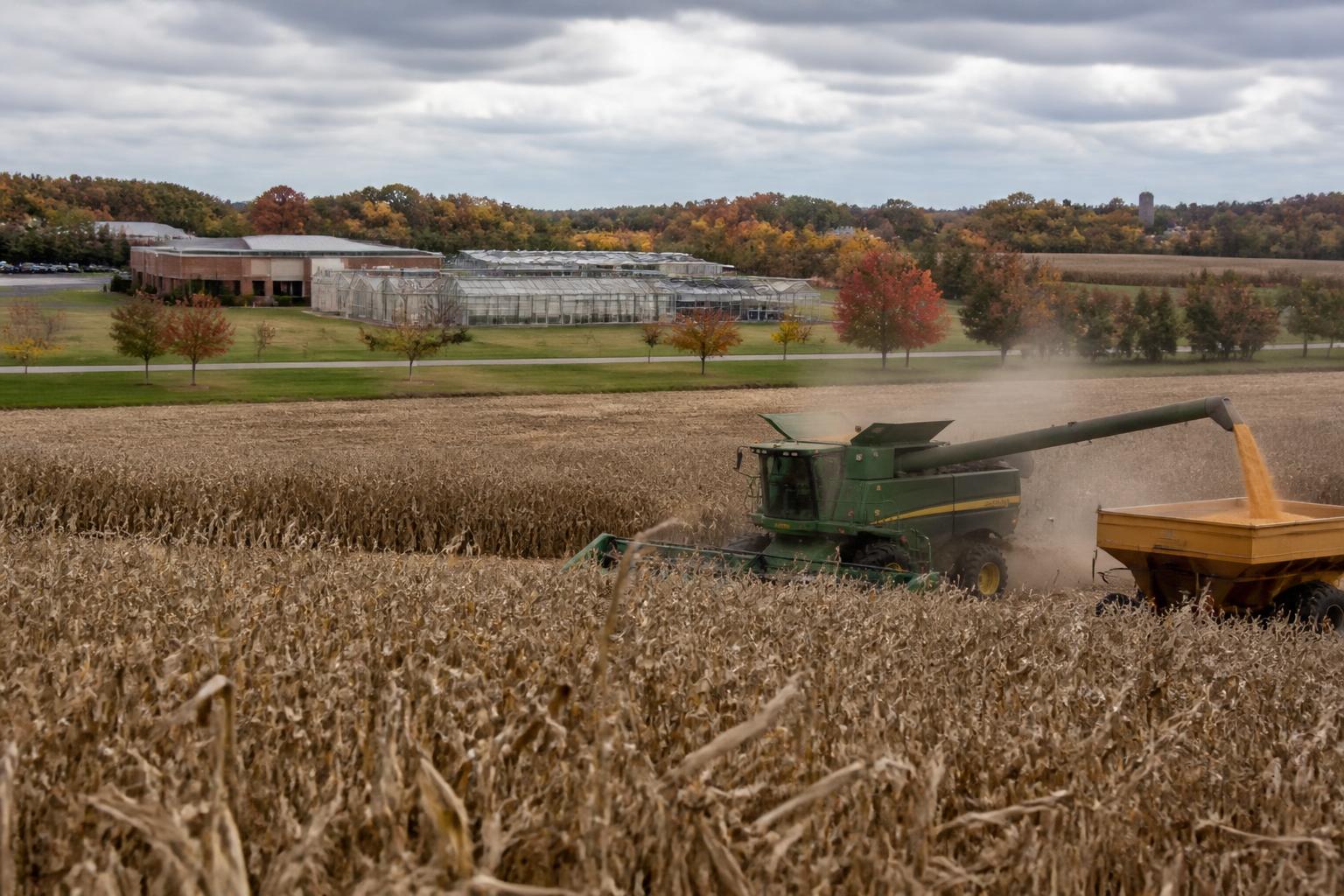
As Washington farmers move through the final stages of the fall harvest, the focus has shifted toward balancing operational efficiency with emerging logistical challenges. Producers across the state, from the fertile Palouse to the irrigated basins of Central Washington, are managing the typical end-of-season pace while monitoring broader market signals that affect everything from input costs to export potential.
Ongoing discussions regarding regional supply chain modernization highlight the need for improved coordination in transit and security screening processes. For Washington growers, ensuring that crops move efficiently from local elevators to major port hubs remains a priority as the industry contends with fluctuating market conditions.
Biosecurity and Market Oversight
Producers are advised to maintain strict biosecurity protocols, especially as federal agencies continue to monitor livestock health threats, such as those related to tick-borne diseases. Ensuring that herds and crops are protected is not only a matter of animal welfare but also a vital component of protecting the state's standing in both domestic and international markets. You can find more on the broader context of managing state supply chain pressures in our latest assessment of Washington ag logistics.
Infrastructure and Industry Evolution
The landscape of agricultural infrastructure in the state continues to see significant development. Recent investments in research facilities, such as the new plant bioscience center on the Pullman campus, underscore a long-term commitment to enhancing crop yields and resilience. Meanwhile, consolidation among key industry players, such as the recent acquisition of corn processing assets in Central Washington, signals a tightening of supply chains that may impact local service delivery for grain handlers.
The current market environment requires producers to stay agile. Whether you are navigating capacity constraints during peak harvest windows or adjusting to new ownership structures within the input sector, staying informed on local logistical shifts is essential.
What it means for the market
The combination of infrastructure expansion and persistent logistics bottlenecks suggests that Washington producers should prioritize flexible transport planning. As the season winds down, keeping a close watch on regional processing capacity and biosecurity requirements will be critical for maintaining profitability in the coming year.
Comments
No comments yet - be the first to share your take.