
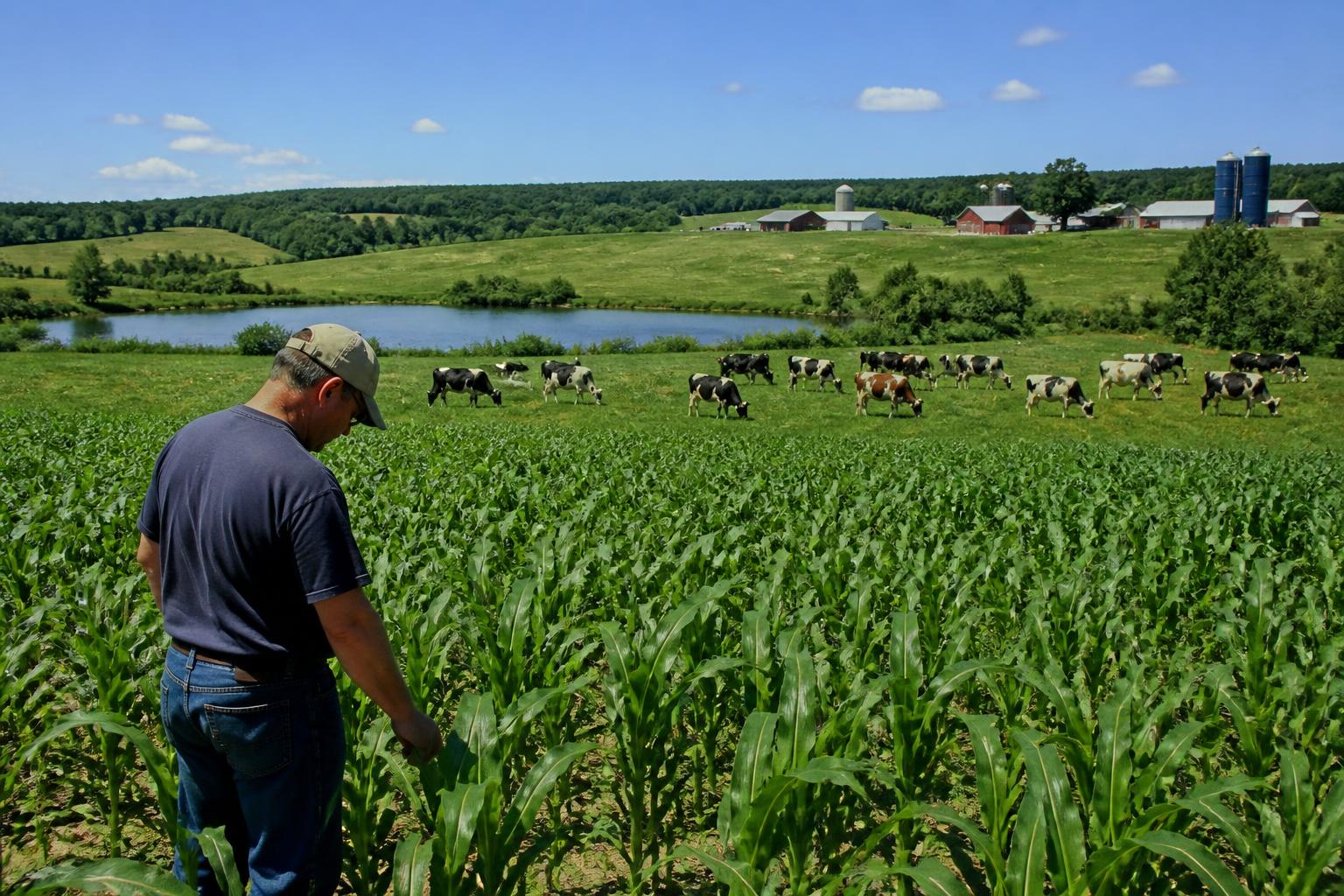
Vermont agricultural operators are navigating a major shift in crop protection management this summer. As the first state in the nation to completely ban the herbicide Paraquat, Vermont is setting a new precedent for pesticide regulation. This landmark prohibition coincides with heightened environmental oversight across the state, particularly regarding runoff into sensitive local watersheds.
For Vermont's dairy farmers, crop advisors, and input distributors, these regulatory changes require a swift reassessment of weed control and nutrient management strategies. While federal agencies continue to evaluate certain chemistries, Vermont's decisive local action highlights a broader regional trend toward stricter oversight of agricultural chemicals.
The Paraquat Ban and Alternative Weed Control
The total ban on Paraquat presents immediate operational adjustments for growers who have historically relied on the chemistry for quick burndown and weed management. The decision makes Vermont a pioneer in restricting the substance, reflecting growing concerns over handler safety and long-term health risks. Consequently, custom applicators and farm managers must transition to alternative chemical or mechanical control methods during this active summer season.
Replacing such highly effective chemistries often increases management complexity. Growers are encouraged to explore integrated pest management (IPM) practices to maintain yield protection without compromising compliance. To better understand how these local restrictions fit into the broader regional picture, farmers can review current trends in navigating herbicide debates and watershed rules in Vermont.
Rising Input Use and Watershed Scrutiny
The push for tighter regulations comes amid newly released data indicating that herbicide and chemical fertilizer use on Vermont dairy farms has doubled over the past decade. This increase has intensified the spotlight on agricultural conservation, especially as community groups and regulatory bodies keep a close eye on water quality. Recently, public attention has focused on allegations of agricultural runoff and toxin dumping entering critical Lake Champlain waterways, further accelerating the demand for strict oversight.
In key dairy producing areas, such as Franklin and Addison counties, managing runoff is no longer just a conservation goal but a critical regulatory necessity. Farm operators are increasingly tasked with documenting their chemical applications and implementing robust buffer zones to prevent transport into local streams. These evolving standards are detailed further in our overview of how Vermont agribusiness adapts to new environmental rules.
Incentivizing Protection: Pay-for-Performance
In response to mounting environmental pressures, Vermont is utilizing innovative programs to support voluntary conservation. The state's "pay for performance" initiative aims to directly compensate farmers for quantifiable pollution reduction. By financially rewarding operators who successfully reduce phosphorus and nitrogen runoff, the program provides a practical avenue to offset the costs of adopting alternative conservation practices.
Additionally, worker-led initiatives like the Milk with Dignity program continue to play a critical role in the state's dairy landscape, emphasizing the safety and protection of farmworkers who handle agricultural inputs. Implementing these safety protocols and conservation measures can be costly, particularly when farm margins are already tight due to broader economic pressures, as discussed in our report on Vermont feed and grain market pressures.
What it means for the market
The ban on Paraquat and the intensifying focus on Lake Champlain water quality will likely accelerate the transition toward organic and low-input dairy systems across Vermont. Retailers and input distributors must adjust their inventories to match the demand for alternative weed control options. While compliance costs and management complexity may rise in the short term, participation in state-funded conservation incentives and performance programs will be crucial for operations looking to maintain profitability while meeting Vermont's stringent environmental standards.
Comments
No comments yet - be the first to share your take.