
Mid-summer in North Dakota brings both high-yield potential and the critical operational task of protecting valuable stands. With the USDA predicting that central North Dakota spring wheat and durum crops are on track to set impressive records, growers across the state are prioritizing effective pest, weed, and disease management to carry these crops safely to harvest.
As sprayers run across the state, managing chemical inventories and maintaining environmental safety remain top of mind for regional operations. From the Red River Valley to the western plains, growers are balancing the need for rigorous field applications with the practical logistics of handling agricultural chemicals safely during the peak of the growing season.
Statewide Unwanted Pesticide Collection Program Starts July 14
An essential aspect of crop protection is the safe disposal of outdated, unusable, or canceled crop chemicals. North Dakota is scheduled to begin its annual unwanted pesticide collection program on July 14, providing a crucial and free resource for farmers, commercial applicators, and dealers to clear out old inventory. This program helps prevent accidental spills, storage degradation, and environmental contamination in farmyards and local communities.
Participating in these state-sponsored disposal events allows growers to keep their storage facilities clean and organized. Managing early summer pest pressures requires precise timing, and local growers often review current guidelines on North Dakota crop protection and labeling requirements to ensure compliance during critical application windows.
Precision Technology and Innovation Drive Input Efficiency
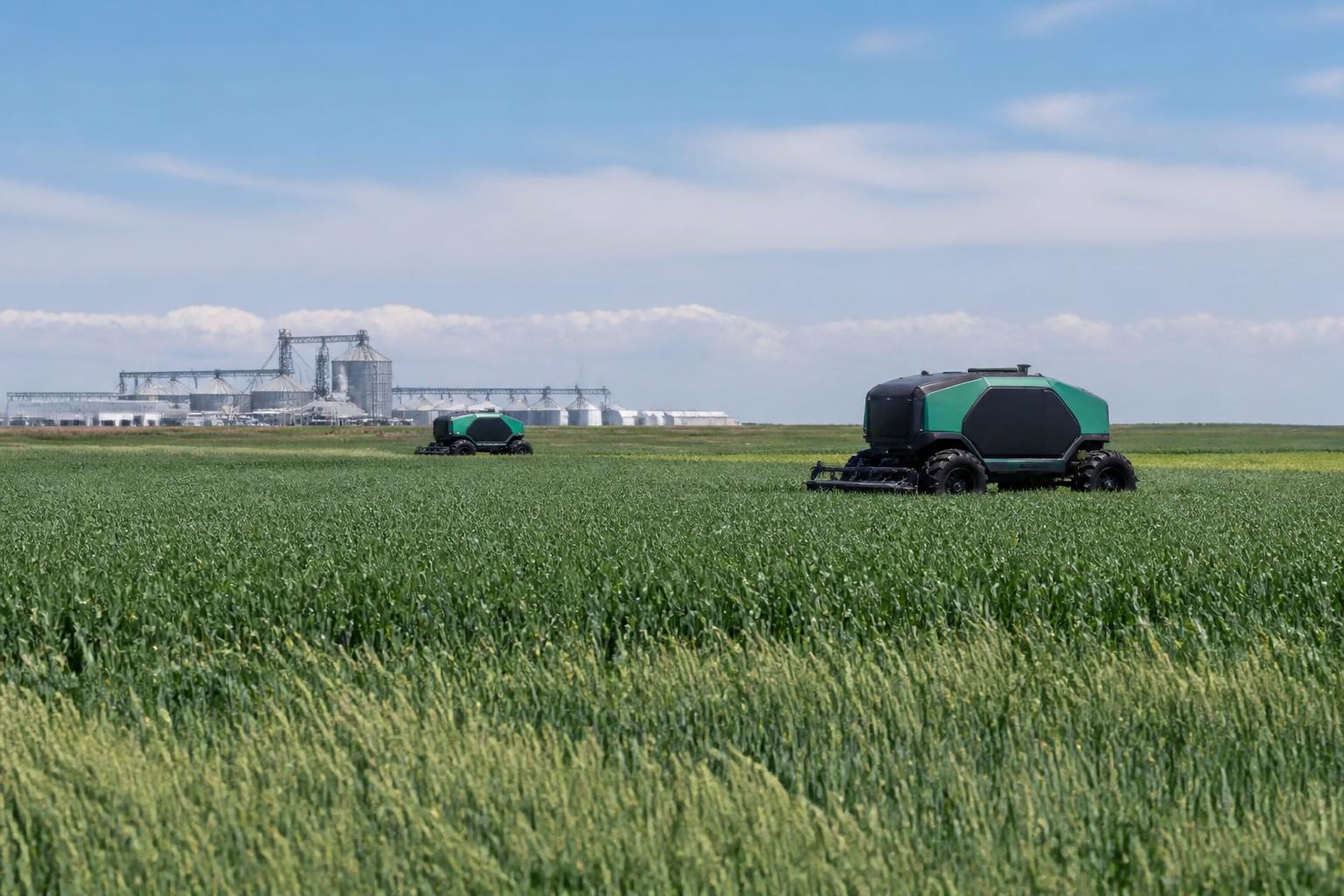
With high operating costs always a concern, North Dakota is increasingly becoming a hub for agricultural technology innovation. Recent collaborations, such as the USDA and CHS partnering with Grand Farm, are steering the future of precision crop protection. These initiatives, along with funding proposals through regional AgTech engines, focus on integrating autonomous machinery and advanced sensor technology directly into field operations.
In many parts of the state, autonomous tractors and targeted spraying systems are beginning to assist with tight seasonal schedules. This technology allows for precise, variable-rate pesticide applications, which can reduce chemical waste and minimize drift. Furthermore, optimizing chemistry applications is vital when dealing with high custom application rates that can eat into tight operational margins.
Key Takeaways for North Dakota Operators
- Record Yield Protection: Promising spring wheat and durum stands require diligent monitoring for late-season disease and pest pressures to lock in high-yield potentials.
- Safe Inventory Management: Utilize the state's free pesticide collection program starting July 14 to clear out obsolete chemicals and maintain safe storage conditions.
- Leverage Tech Advancements: Keep an eye on regional ag-tech developments and autonomous spraying solutions to improve application accuracy and control input costs.
What it means for the market
For the broader agricultural market, North Dakota's focus on efficient crop protection serves as a key stabilizer for regional supply expectations. By pairing advanced application technologies with proactive environmental programs like the July pesticide collection, local growers can protect record-potential wheat and durum yields while keeping operational footprints clean. Efficient, targeted chemical management will remain the primary defense against margin squeeze as the summer progress continues toward autumn harvest.
Comments
No comments yet - be the first to share your take.