
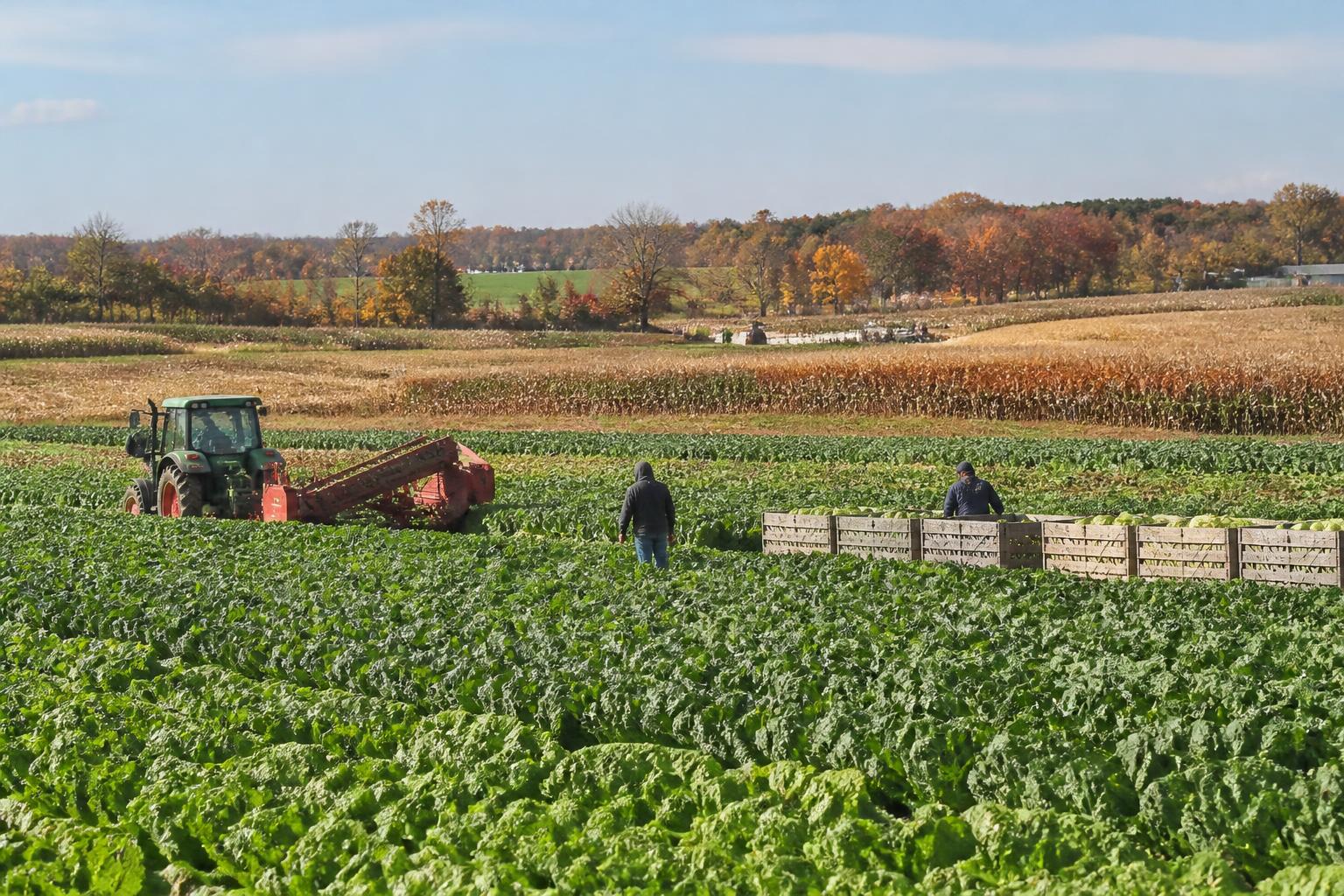
Embracing Automation in Local Vegetable Fields
As Maryland producers move through the final stages of the fall harvest, the adoption of mechanization and smart technology is becoming a central focus for many farm operations. In regions spanning from the Eastern Shore to the rolling hills of the Piedmont, growers are seeking ways to address labor scarcity and improve the precision of their field activities. By integrating advanced sensors and automated harvesting tools, operations can often see improvements in yield consistency and overall crop management.
The Role of Smart Technology in Farm Resilience
Modernizing field operations is not just about speed; it is about data-driven decision-making. Technologies such as automated irrigation controls and precision planting systems allow for better resource management throughout the season. For Maryland vegetable farmers, these tools are becoming essential for managing inputs efficiently during volatile late-season conditions. For those focusing on post-harvest logistics, integrating smart tracking can also reduce the time spent moving goods from field to storage or processing facilities.
Scaling Up Field Efficiency
Scaling operations often requires balancing capital investment with immediate operational gains. While large-scale automation remains a significant commitment, many Maryland producers are finding success with incremental upgrades. Whether it is improving harvest logistics or adopting precision machinery that better handles sensitive crops, these investments can provide a competitive edge in local markets. As farm owners evaluate their equipment for the next season, the focus remains on reliability and the potential to streamline end-of-season flows.
Key Takeaways
- Precision technology is helping Maryland vegetable growers mitigate labor shortages during peak harvest times.
- Incremental adoption of smart machinery often yields better operational control than wholesale infrastructure changes.
- Data-driven management is essential for optimizing input costs as seasonal conditions shift in late autumn.
What it means for the market
For Maryland agribusinesses, the shift toward smart technology signifies a broader trend of professionalization and technical adaptation. As farms incorporate these tools, the demand for precision equipment, technical support services, and specialized training is likely to grow. Staying informed about these advancements will be critical for producers aiming to maximize margins and maintain operational flexibility in an increasingly automated agricultural landscape.
Comments
No comments yet - be the first to share your take.