
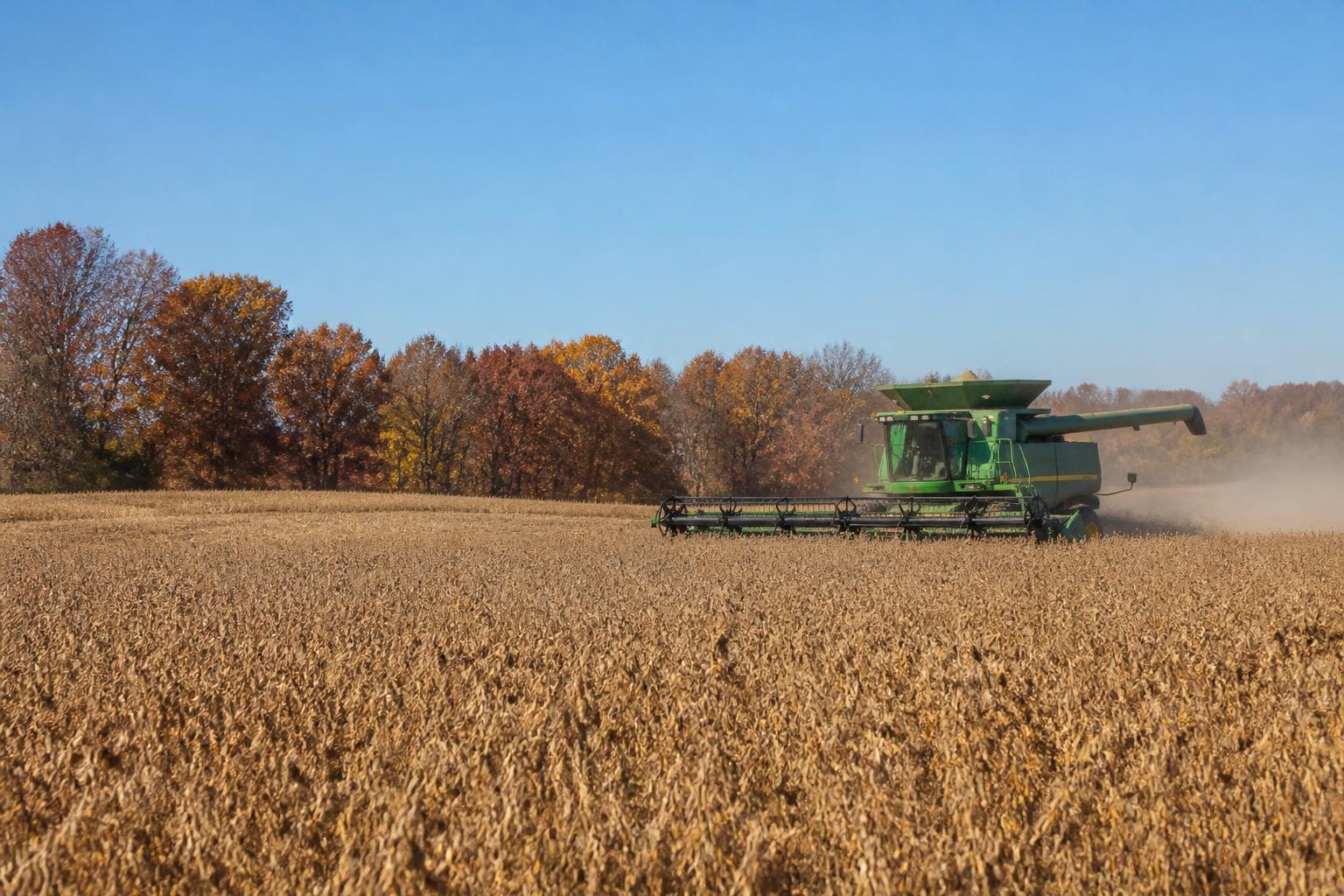
Transitioning to Post-Harvest Management
With the harvest season largely complete across Colorado, producers are turning their attention toward field preparation and the logistical planning necessary for the upcoming crop year. As the days grow shorter and temperatures drop, the focus on soil testing and data analysis becomes paramount for optimizing nutrient placement before winter dormancy sets in.
Evaluating Long-Term Nutrient Planning
For many Colorado operators, the current market environment necessitates a disciplined approach to input procurement. While global supply chains often experience fluctuations in specialized additives and chemical solutions, staying informed on fertilizer price volatility remains a top priority for farm managers. Maintaining a balanced view of both regional supply availability and broader market trends can help mitigate the risks associated with price spikes in the spring.
Operational Logistics for the Off-Season
The winter months typically provide a window for maintenance and strategic planning that is often impossible during the frantic pace of the growing season. Whether updating equipment for more precise application or refining crop protection strategies, the off-season is the ideal time to ensure your operation is positioned for efficiency. Reliable regional infrastructure and transport networks continue to serve as the backbone for moving essential supplies, and keeping an eye on local logistics ensures that deliveries arrive when they are needed most.
What it means for the market
Producers should continue to emphasize risk management by locking in essential inputs early and conducting thorough soil assessments. By leveraging local expertise and maintaining a flexible procurement strategy, Colorado farmers can better navigate the complexities of the current input market as we transition into the next production cycle.
Comments
No comments yet - be the first to share your take.