
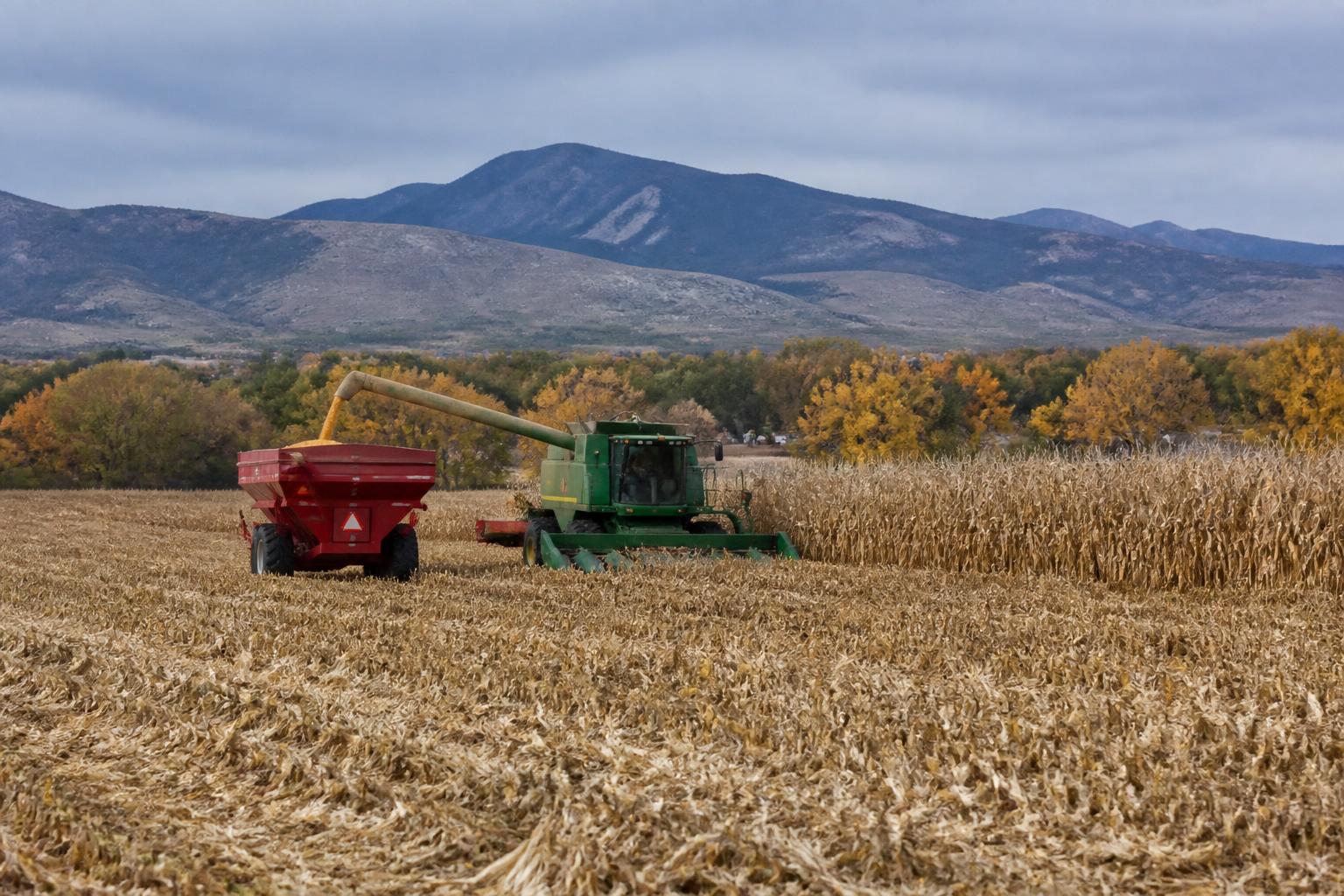
As the fall season draws to a close across Colorado, producers are balancing the final stages of field work with an eye toward future input costs. While the focus remains on post-harvest management and winter preparation, the broader market environment for essential inputs like fertilizers is showing signs of potential strain. Global logistical challenges continue to influence supply chains, which local growers must consider when planning for the next planting cycle.
Understanding the impact of these market variables is critical for Colorado agribusinesses and farmers as they assess their financial outlook for the coming year. Beyond supply chain logistics, producers are also keeping tabs on how national price fluctuations, such as those affecting the Market Year Average (MYA), may influence federal farm program payments, providing an additional layer of complexity to seasonal budget planning.
Navigating Potential Supply Chain Hurdles
In various regions of the state, from the high plains to the mountain valleys, fertilizer management remains a pillar of operational efficiency. Recent market analysis suggests that global shipping and production disruptions could lead to upward pressure on prices, with some estimates indicating potential cost increases that may impact farmers' bottom lines. For those managing soil health or planning for nitrogen application, early engagement with suppliers is becoming a common strategy to mitigate volatility.
While localized issues such as drought conditions continue to be a primary concern for many Colorado producers, the addition of input price instability adds pressure to an already challenging operating environment. Staying informed on geopolitical shifts and global market trends is increasingly relevant for maintaining sustainable farming practices across the state.
What it means for the market
For Colorado farmers and grain handlers, the current landscape necessitates a proactive approach to procurement. As global pressures on fertilizer availability and cost persist, early coordination with regional elevators and input suppliers may help buffer against potential price spikes. With the fall season nearing completion, now is an essential time for producers to lock in logistics plans and evaluate their financial exposure before the next major planting window opens.
Comments
No comments yet - be the first to share your take.