
Grain markets are exhibiting a slight upward trend this week as traders and producers prepare for the latest round of USDA reports. Market participants are keeping a close eye on incoming data, which often influences short-term pricing strategies for corn and soybeans as the fall harvest concludes across much of the country.
For many operations, the end of the harvest marks the start of critical field management decisions. As highlighted in recent discussions on managing post-harvest logistics and soil conditions, navigating environmental variables is essential for maintaining productivity throughout the off-season.
Managing Volunteer Corn via Livestock Integration
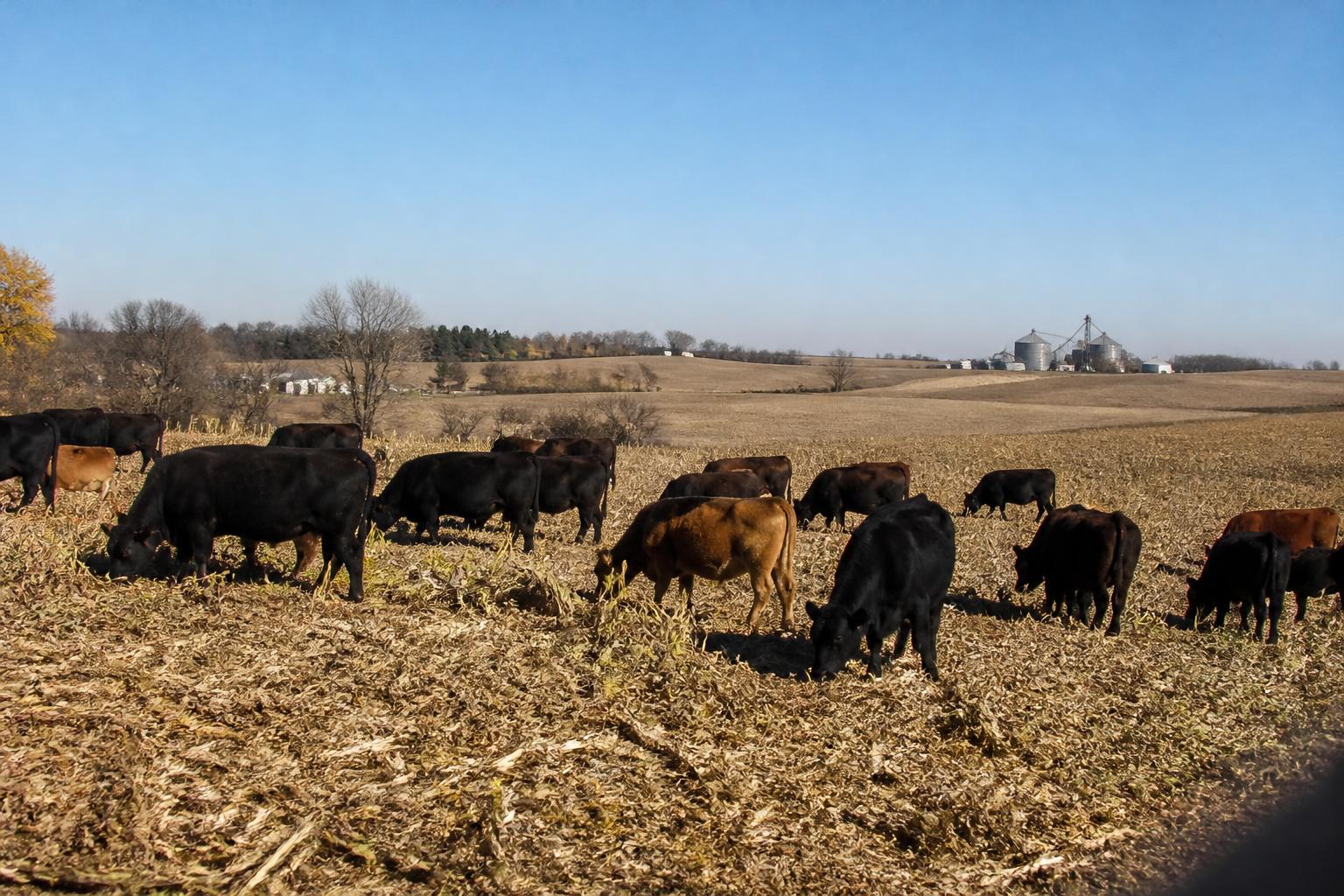
In regions where drought has affected crop development, the issue of volunteer corn can persist into the following season. Producers are increasingly looking at integrating livestock grazing on corn stalks as a practical method to manage this volunteer growth. Allowing cattle to graze these areas can reduce the density of residual grain that might otherwise emerge unexpectedly in next year's crop cycle.
Regulatory Updates for Future Maize Varieties
Looking ahead toward future growing seasons, the agricultural sector is monitoring regulatory developments in seed technology. A recent petition for the determination of nonregulated status has been submitted to the Animal and Plant Health Inspection Service regarding a new genetically engineered maize variety. This variety is designed to express proteins specifically aimed at providing protection against certain lepidopteran pests, potentially offering farmers new tools for integrated pest management.
Key Takeaways
- Market sentiment for corn and soybeans is currently influenced by anticipation of pending USDA figures.
- Grazing corn stalks remains a viable, low-cost option for mitigating volunteer corn issues following dry growing years.
- New biotech maize varieties currently under review could eventually provide enhanced protection against specific pest pressures.
What it means for the market: With prices showing slight strength, farmers are encouraged to finalize their post-harvest records and prepare for any potential shifts in market dynamics following the USDA report release. Attention to field maintenance now, such as managing crop residue, can help reduce input needs and logistical hurdles as preparations begin for the next planting cycle.
Comments
No comments yet - be the first to share your take.