
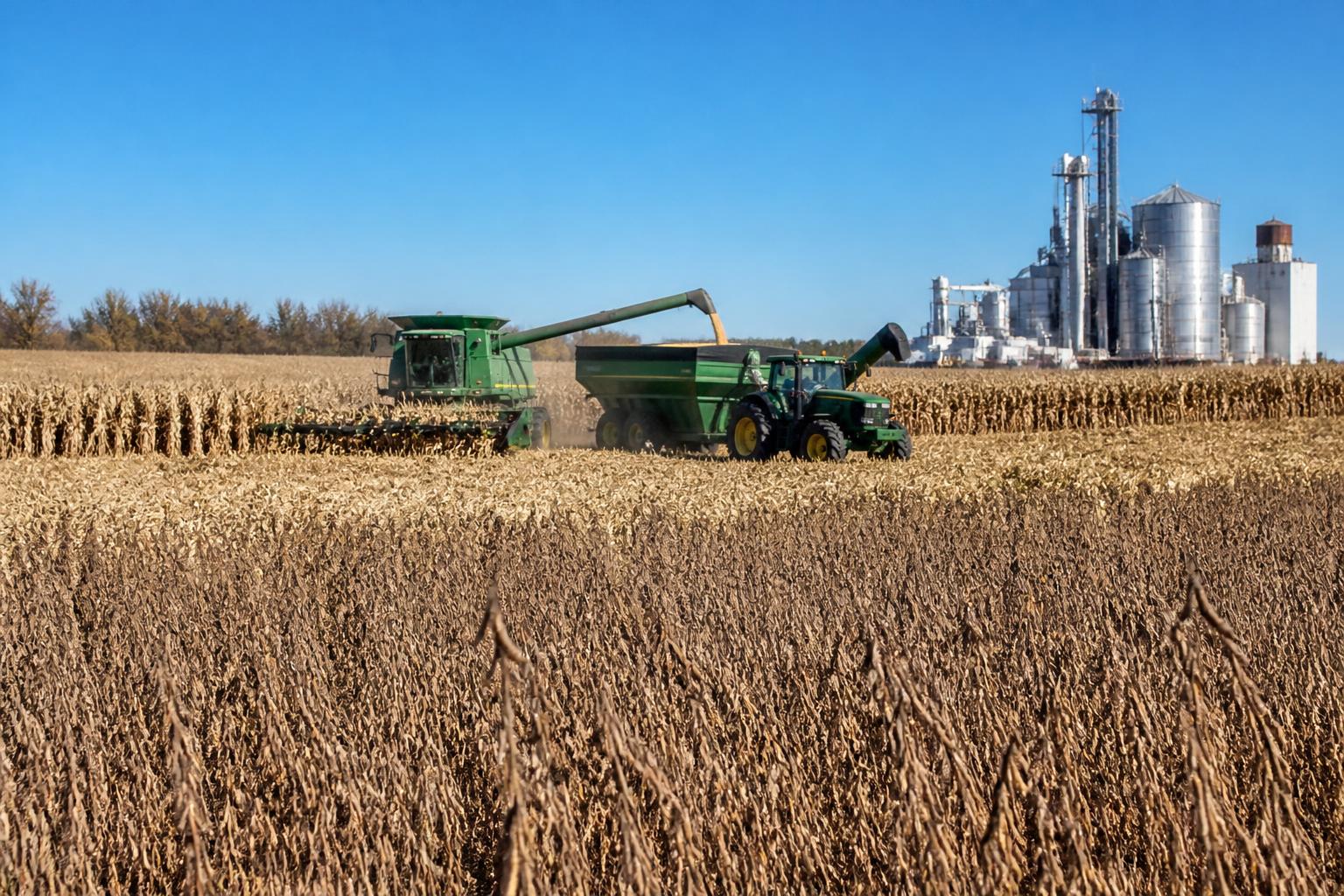
With the 2026 harvest season nearing its conclusion across Delaware, local producers are shifting their attention from field management to input procurement. While growers evaluate current yields, the broader fertilizer market is undergoing significant adjustments as global supply chains recalibrate. Recent discussions in the industry suggest that nutrient management remains a critical lever for maintaining margins, particularly as growers balance the need for optimal fertility with variable input costs.
For producers in counties like Kent and Sussex, market volatility often necessitates a disciplined approach to purchasing. Whether managing soil health for next year's corn or preparing for winter cover crops, understanding the intersection of international supply factors and regional availability is essential. For more context on managing your operations as the year closes, see our insights on maintaining financial resilience during the fall harvest.
Global Market Drivers and Local Impact
International developments frequently ripple down to the regional level. Recent earnings calls from major fertilizer suppliers emphasize that supply chain efficiency and product availability remain primary concerns. While large-scale changes in international trade policies can create uncertainty, Delaware agribusinesses are advised to stay informed on local inventory levels rather than speculating on long-term global commodity swings. Strategies for managing these input requirements are often similar to those used when navigating supply pressures and developing robust financial plans.
Optimizing Input Strategies
As we head into late fall, the focus for many remains on efficient application and strategic inventory management. Producers should consider the following as they plan for the upcoming spring:
- Timely Procurement: Evaluate current soil test results to determine exact nutrient needs before booking inputs.
- Inventory Assessment: Work closely with local retailers to understand lead times for core products.
- Cost Management: Focus on return on investment for high-cost inputs, given the ongoing sensitivity of profit margins to global market shifts.
What it means for the market
For the Delaware farming community, the path forward is marked by cautious planning. By prioritizing accurate soil data and maintaining open communication with regional suppliers, growers can better insulate their operations from unexpected market fluctuations. While the headlines focus on international trade, success in the field will ultimately depend on the decisions made at the local level to control costs and ensure nutrient availability for the next crop cycle.
Comments
No comments yet - be the first to share your take.