
Input Costs and Harvest Logistics
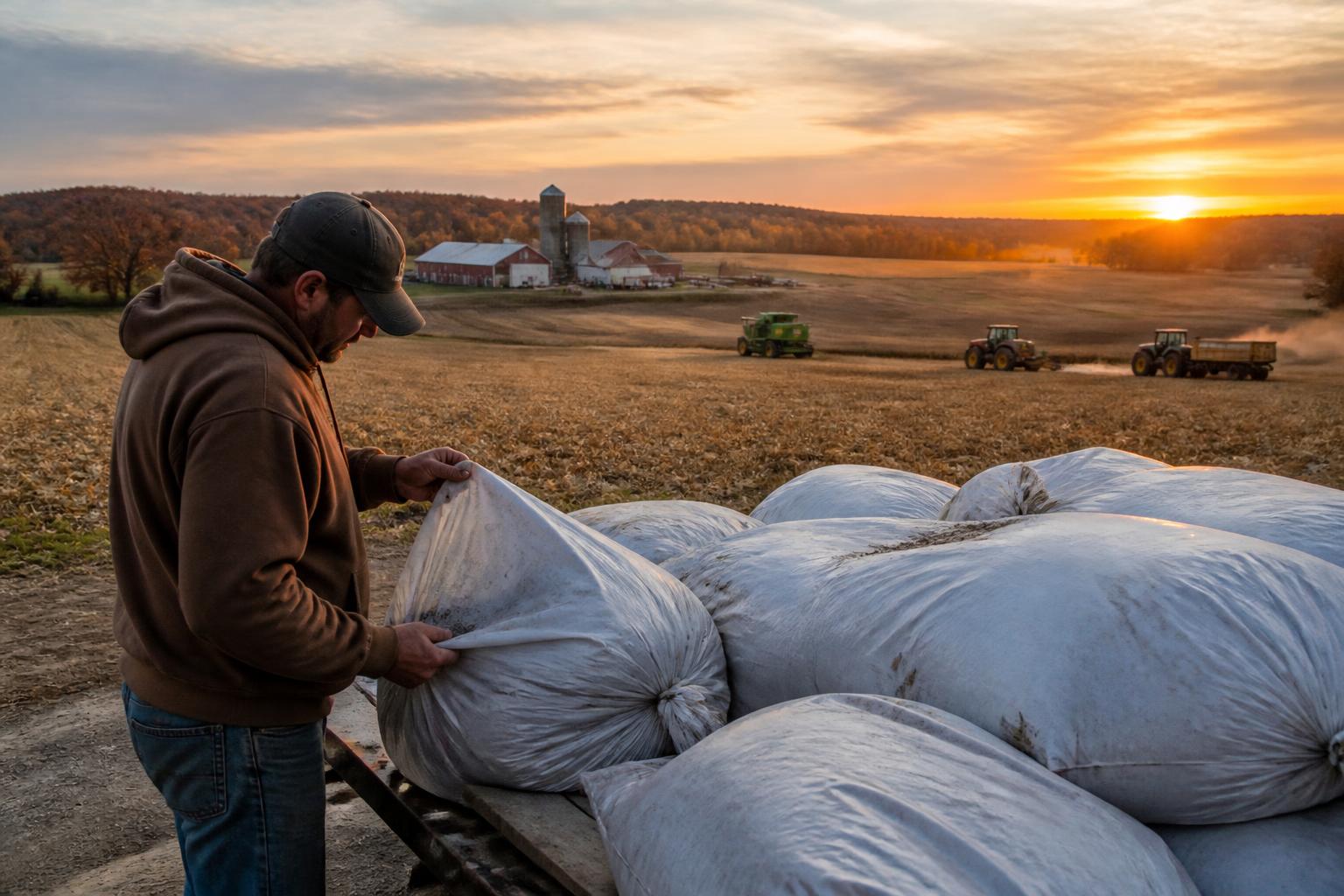
As the harvest season wraps up across the Midwest, many producers are turning their attention toward pre-planting preparations for the 2027 cycle. For many growers, the immediate focus is on managing the balance sheet against persistent input pressures. Recent field reports indicate that fuel and fertilizer expenses remain primary concerns, with many producers navigating higher-than-expected costs during the critical window for fall applications.
These financial constraints are forcing a more calculated approach to farm management. In states like Ohio, farmers are already adjusting their procurement strategies to mitigate the impact of price volatility on upcoming budgets. Managing these variables early has become a necessity for ensuring operational stability as the industry moves toward the winter planning months.
Federal Investment and Supply Chain Resilience
Looking beyond the immediate term, there is a push to expand domestic manufacturing capacity to address the vulnerability of the supply chain. Recent federal investments, including funding for a new facility in Carlsbad, underscore a broader move by the USDA to bolster the U.S. fertilizer production sector. By increasing domestic supply, the goal is to provide farmers with more consistent access to inputs and potentially reduce reliance on international market fluctuations over the long term.
While these manufacturing developments are underway, growers are encouraged to review regional availability as they look ahead to spring. For those currently planning their nutrient management programs, it is helpful to stay informed on local post-harvest strategies and broader logistical trends that may impact product delivery and timing.
Sustainability and Policy Considerations
As the sector modernizes, there is also an increased focus on the intersection of fertilizer use and environmental outcomes. Voluntary efforts are being examined across the Midwest to determine the effectiveness of current nutrient management practices. These dialogues highlight the importance of balancing agronomic success with long-term stewardship, as industry leaders and farmers continue to seek ways to optimize inputs while meeting evolving sustainability goals.
What it means for the market
For the average agribusiness and producer, the current landscape is defined by caution. While federal support for domestic infrastructure offers a glimpse of a more resilient supply future, the immediate reality for the 2027 season remains dominated by high operating costs. Farmers should prioritize early procurement and clear communication with suppliers to navigate the remaining fall window and secure essential inputs for next year.
Comments
No comments yet - be the first to share your take.