
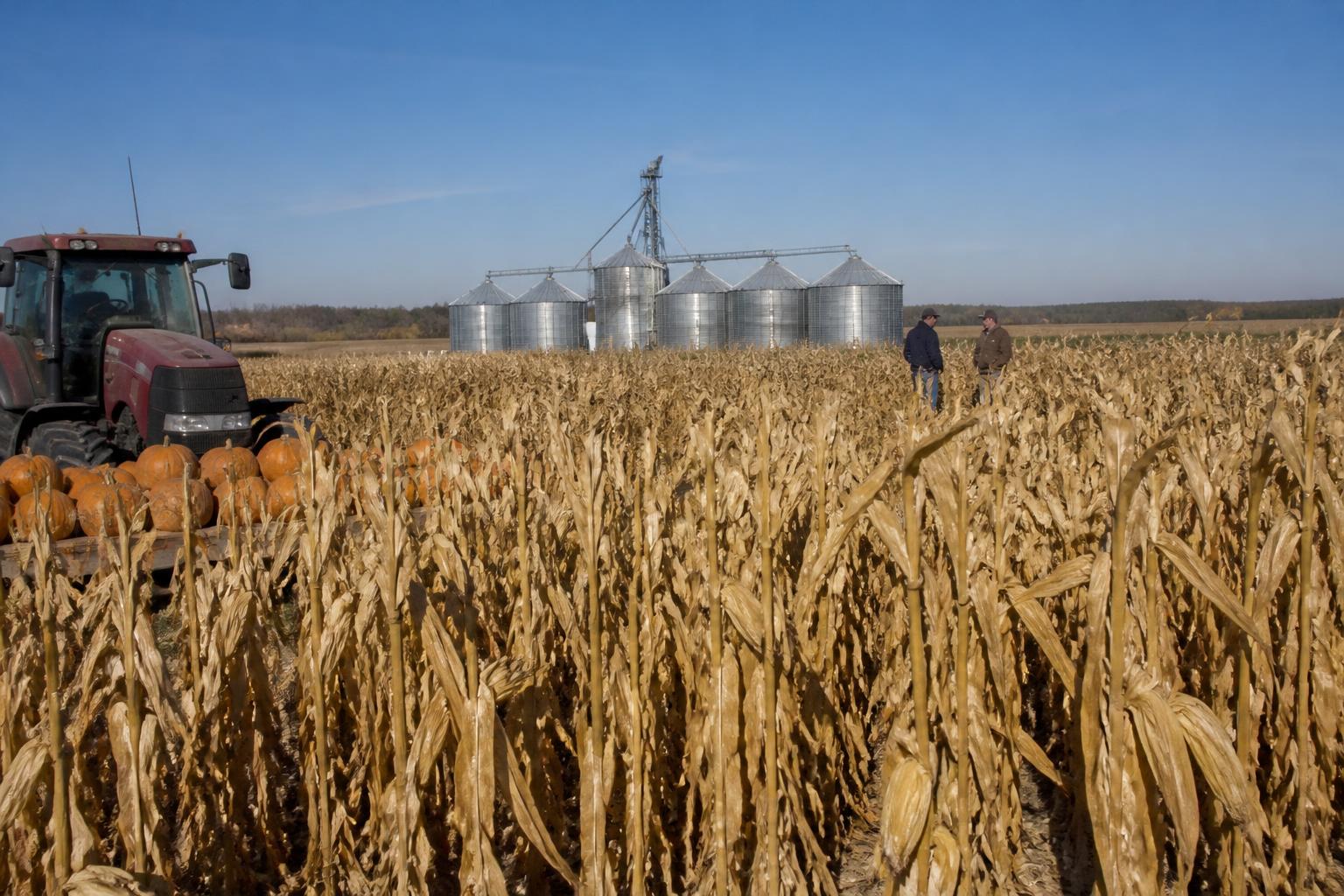
Expanding Localized Storage and Distribution
For many producers, the logistics of securing consistent fertilizer supplies have become as critical as the price point itself. Recent efforts by regional operators, including independent farmers looking to hedge against supply chain volatility, are driving the development of new, high-capacity fertilizer terminals. By investing in regional storage, these projects aim to shorten the final-mile gap, allowing elevators and farmers to better manage inventory during the compressed windows of the fall and spring application seasons.
The Drive for Domestic Production
Policy discussions have increasingly turned toward the feasibility of expanding U.S.-based fertilizer manufacturing. Efforts to reduce dependency on international supply chains are gaining traction, with officials emphasizing the need to bring more production capacity back to domestic soil. While infrastructure projects of this scale typically require significant lead time, the stated commitment to domestic manufacturing signals a strategic pivot that could alter the long-term outlook for input availability and cost stability.
Economic Pressures and Operational Strategy
Current market conditions remain challenging, as elevated fertilizer prices continue to impact the projected profitability for major crops like corn. Balancing input investments with tight margins is a primary concern for agribusinesses as they close out the year. For farmers, this environment highlights the necessity of proactive procurement strategies, such as assessing long-term fertilizer trends and market outlooks when planning future applications. Monitoring regional logistics and application timing remains essential to maximizing efficiency in the field.
What it means for the market
The convergence of infrastructure investment and potential shifts in domestic policy suggests a multi-year effort to fortify the U.S. fertilizer supply chain. While immediate price sensitivity remains a headwind for profitability, the move toward localized terminal storage provides a practical buffer against seasonal supply disruptions. As producers finalize their input plans, keeping a close watch on regional inventory levels and broader global supply shifts will be key to managing the operational risks ahead.
Comments
No comments yet - be the first to share your take.