
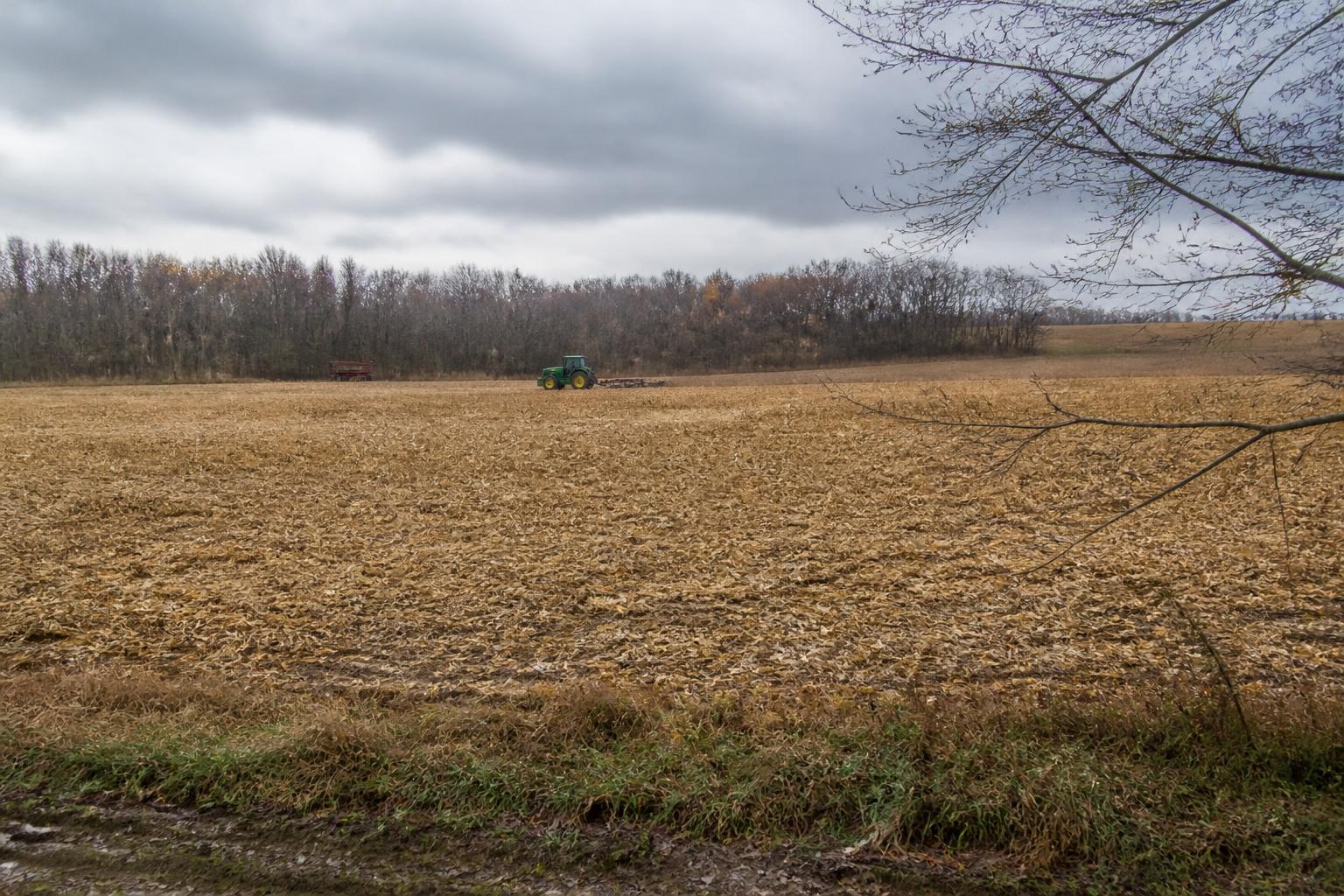
U.S. grain markets are currently navigating a tense period of anticipation as stakeholders await the latest USDA production and World Agricultural Supply and Demand Estimates (WASDE) reports. The market sentiment remains cautious, with recent sessions showing downward pressure on corn and soybean futures, even as wheat maintains a more mixed profile. For many producers, this uncertainty coincides with the final push to complete harvest operations and shift focus toward fall tillage and input planning.
As grain markets prepare for key USDA updates, logistical conditions across the Midwest continue to influence localized basis levels. While some growers in the Dakotas have successfully wrapped up their field work and moved into tillage, others, particularly in parts of Iowa, have faced persistent rain-related delays throughout November. These uneven harvest conditions are influencing how elevators manage incoming moisture levels and grain quality storage protocols as the season winds down.
Evaluating Stover and Input Strategies
For operations looking to manage narrow margins, the utility of crop residues is under renewed consideration. Selling corn stover can offer an additional revenue stream, though it requires careful balancing against the long-term nutritional needs of the soil and potential logistical costs. As some growers finalize their crop marketing, others are turning their attention to 2026 strategies, weighing the risks of price volatility against the necessity of securing inputs for the next cycle.
Looking Toward Future Seasons
Longer-term outlooks for commodities like wheat suggest potential for a market shift in the coming years, potentially driven by recovering soil moisture profiles and shifting acreage trends. However, immediate price action remains anchored to global supply dynamics, including record production projections in regions like Brazil and ongoing export considerations at major shipping hubs. Keeping a pulse on how these global supply realities impact local pricing is critical for managing remaining unpriced inventory.
What it means for the market
The immediate takeaway for agribusinesses and farmers is to maintain flexibility in marketing as the market digests the latest federal data. With harvest variability across the Corn Belt and potential fluctuations in export logistics, monitoring localized basis and transportation availability will be essential to mitigating further price downside. Establishing a clear strategy for remaining 2026 stocks before year-end could help buffer operations against the potential for further volatility in the new year.
Comments
No comments yet - be the first to share your take.