
Adapting to Evolving Citrus Pressures
As Florida growers move through the fall, the focus remains firmly on securing grove health against persistent challenges like citrus greening. The industry is seeing a shift toward more intensive management strategies, with a growing reliance on infrastructure designed to physically exclude vectors and stabilize growing conditions. These Florida crop protection strategies are becoming essential as producers navigate ongoing input supply concerns and the need for consistent yields.
The Rise of Protected Cultivation
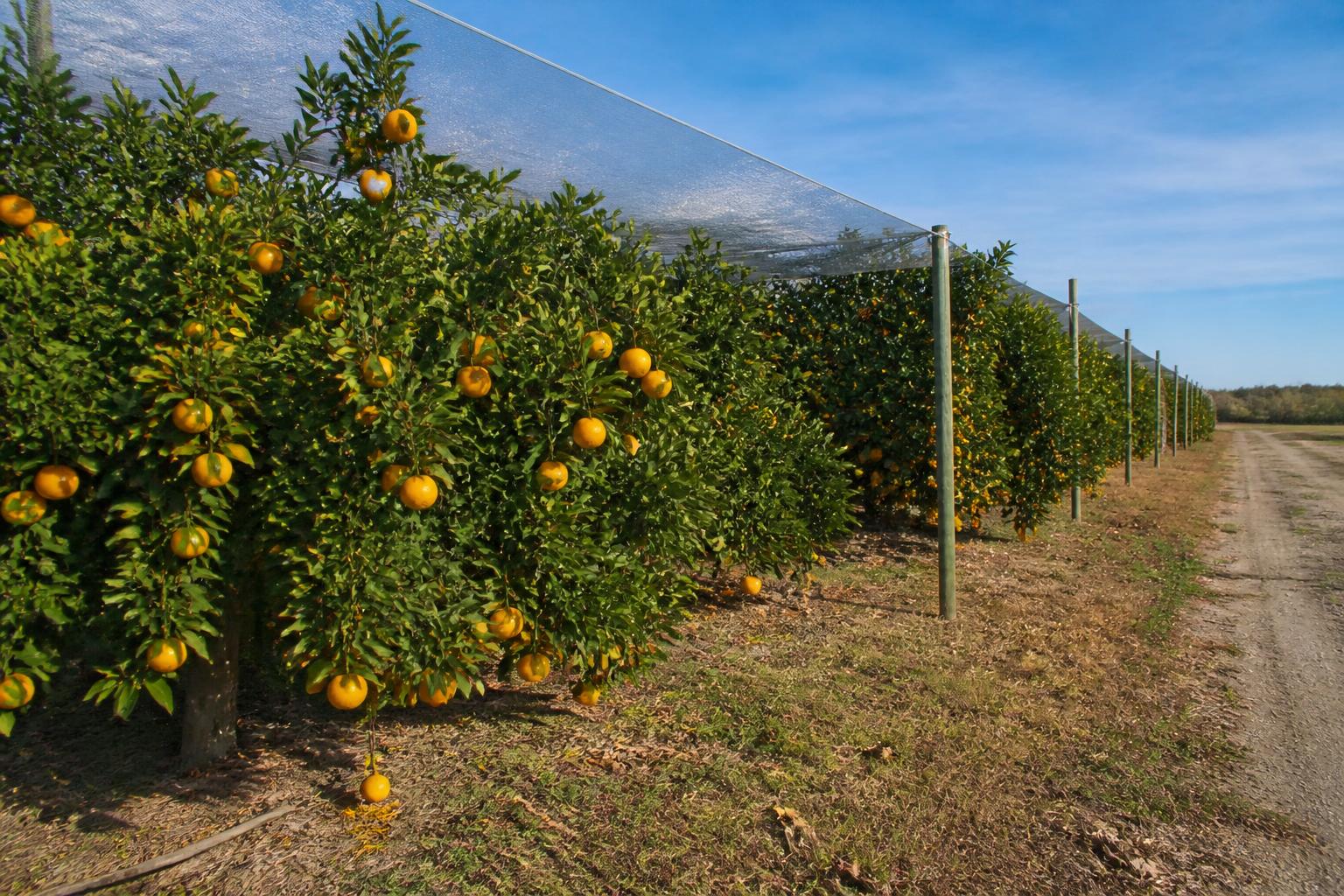
Citrus Under Protective Screens (CUPS) have emerged as a significant component in the modern Florida grove. By creating a controlled microclimate, these systems not only assist in managing pest pressure but also appear to contribute to higher fruit quality and more predictable output. For many operators, this move toward physical barriers is part of a broader trend in adapting to regulatory shifts and environmental instability, allowing for more precise management of nutrient and water inputs within a contained environment.
Logistics and Resource Management
Beyond crop health, the management of recovery efforts following seasonal weather events remains a critical operational priority. Producers are balancing the immediate need for resource allocation—such as soil management and infrastructure repair—with long-term investments in protective assets. As the state's agriculture sector looks to stabilize, the integration of new technologies and protective measures is proving vital for maintaining commercial viability in regions prone to high disease pressure.
What it means for the market
For growers and agribusiness stakeholders, the shift toward protective infrastructure signals a change in capital expenditure priorities. The reliance on advanced systems like CUPS may lead to increased demand for specialized materials and technical services, while also altering the traditional seasonal workflow. Companies involved in the citrus supply chain should prepare for a landscape where yield stability is increasingly tied to the adoption of sophisticated protective technologies rather than traditional open-field practices alone.
Comments
No comments yet - be the first to share your take.