
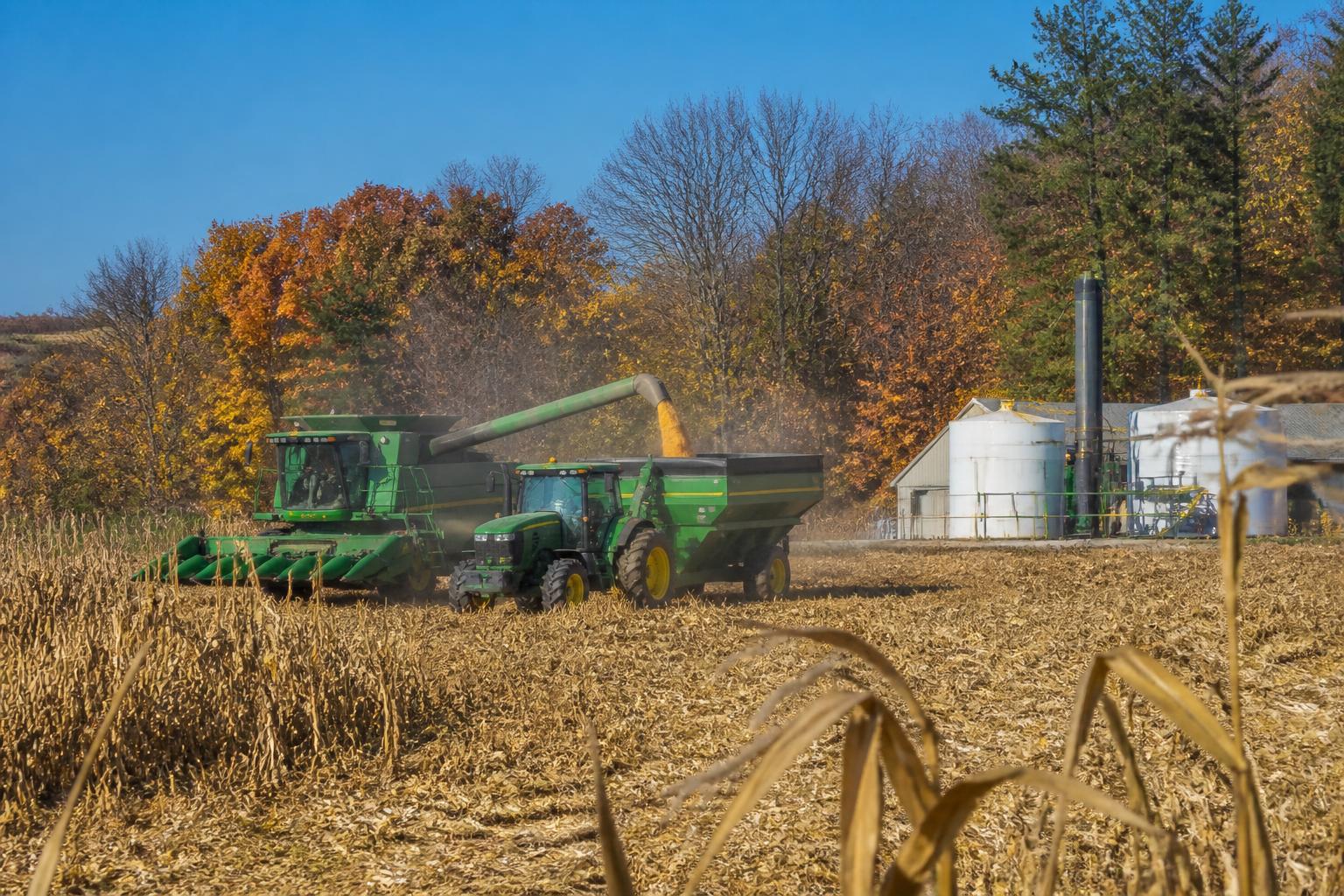
As the fall harvest season in Michigan approaches its final stages, growers continue to manage the lingering effects of a prolonged dry spell. Throughout the state, from the varied soil types in the lower peninsula to regional hubs, moisture deficits have remained a significant concern for late-season field operations. While the harvest is wrapping up, the cumulative impact of these weather conditions is prompting many to re-evaluate their long-term management plans and risk mitigation strategies.
Refining Financial and Operational Stability
The current environment has underscored the importance of robust financial planning. With recent shifts in market conditions impacting yield expectations, many Michigan farm businesses are looking closely at their protection strategies. Increased price guarantees for Revenue Protection crop insurance with a harvest option may offer some measure of security for producers entering the next planning cycle. These adjustments come at a time when input costs and general market volatility remain key considerations for operational sustainability.
Beyond individual farm economics, broader efforts to preserve the state's agricultural land continue to gain traction. The permanent protection of significant acreage from development remains a priority, ensuring that productive Michigan soil remains available for future generations. These land conservation efforts often complement local initiatives focused on improving the long-term viability of family-run operations.
Adapting Technology for Sustainable Growth
Innovation continues to play a vital role in addressing modern farming challenges. For instance, recent research support for precision laser weeding in organic vegetable production highlights a shift toward reducing traditional pesticide reliance while maintaining crop yields. Such technological investments may eventually provide producers with more flexible tools for managing weed pressure, especially as regional stakeholders continue to debate regulatory approaches to chemical inputs.
What it means for the market
The combination of persistent environmental stress and evolving financial tools suggests a period of transition for Michigan producers. For those navigating logistical and market fluctuations, staying informed on available insurance protections and precision technology grants remains essential. As operations conclude their seasonal work, the focus is shifting toward data-driven decision-making to offset the impacts of the recent weather-restricted growing cycle.
Comments
No comments yet - be the first to share your take.