
Optimizing Seasonal Storage
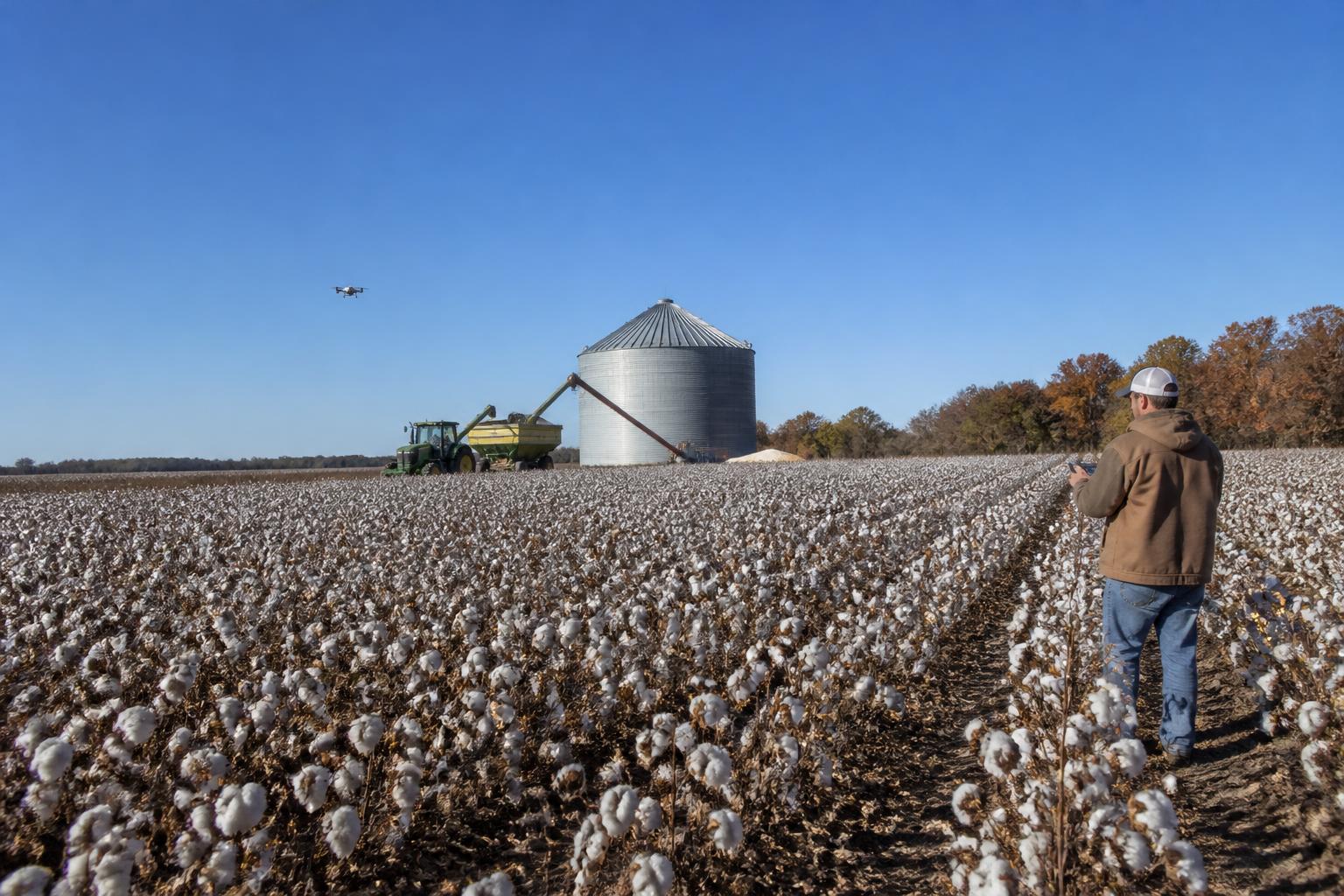
With temperatures dropping across Maine, producers are finding a natural ally in managing their stored grain inventories. The current seasonal cooling cycle provides a cost-effective method to maintain grain quality, reducing the need for aggressive aeration systems. Effectively leveraging these ambient conditions is essential for growers looking to minimize moisture-related issues as they prepare for the remainder of the fall season.
Input Management and Trade Dynamics
Resource management remains a top priority, particularly as farmers refine their approaches to crop protection and resource efficiency. The integration of new precision tools continues to offer pathways for producers to optimize input usage, which is increasingly vital as they navigate shifting market realities. For many across the state, these technologies provide a way to maintain yields while monitoring overhead.
Trade developments also continue to influence the operational landscape for Maine agribusinesses. Recent updates regarding exemptions on certain packaging materials, particularly those relevant to the blueberry sector, offer some relief for logistics and supply chain planning. Proactive monitoring of such policy shifts is recommended, as they directly impact seasonal logistics and input market stability in the region.
Strengthening Resilience
As the harvest season winds down, focus typically shifts toward long-term field and facility maintenance. Whether addressing soil integrity or securing critical equipment, prioritizing operational efficiency is a constant theme for Maine's agricultural community. Those looking for guidance on managing these late-season priorities may find it helpful to review established best practices for crop resilience and resource protection to ensure they are well-positioned for the upcoming winter transition.
What it means for the market
For Maine producers and handlers, the current environment demands a blend of technical adaptation and trade vigilance. By utilizing cooling temperatures to protect stored commodities and staying informed on shifting trade exemptions, agribusinesses can better navigate the volatility often seen at this time of year. Sustained attention to precision tools will remain a differentiator for those looking to maximize margins while managing the complexities of a changing climate and market landscape.
Comments
No comments yet - be the first to share your take.