
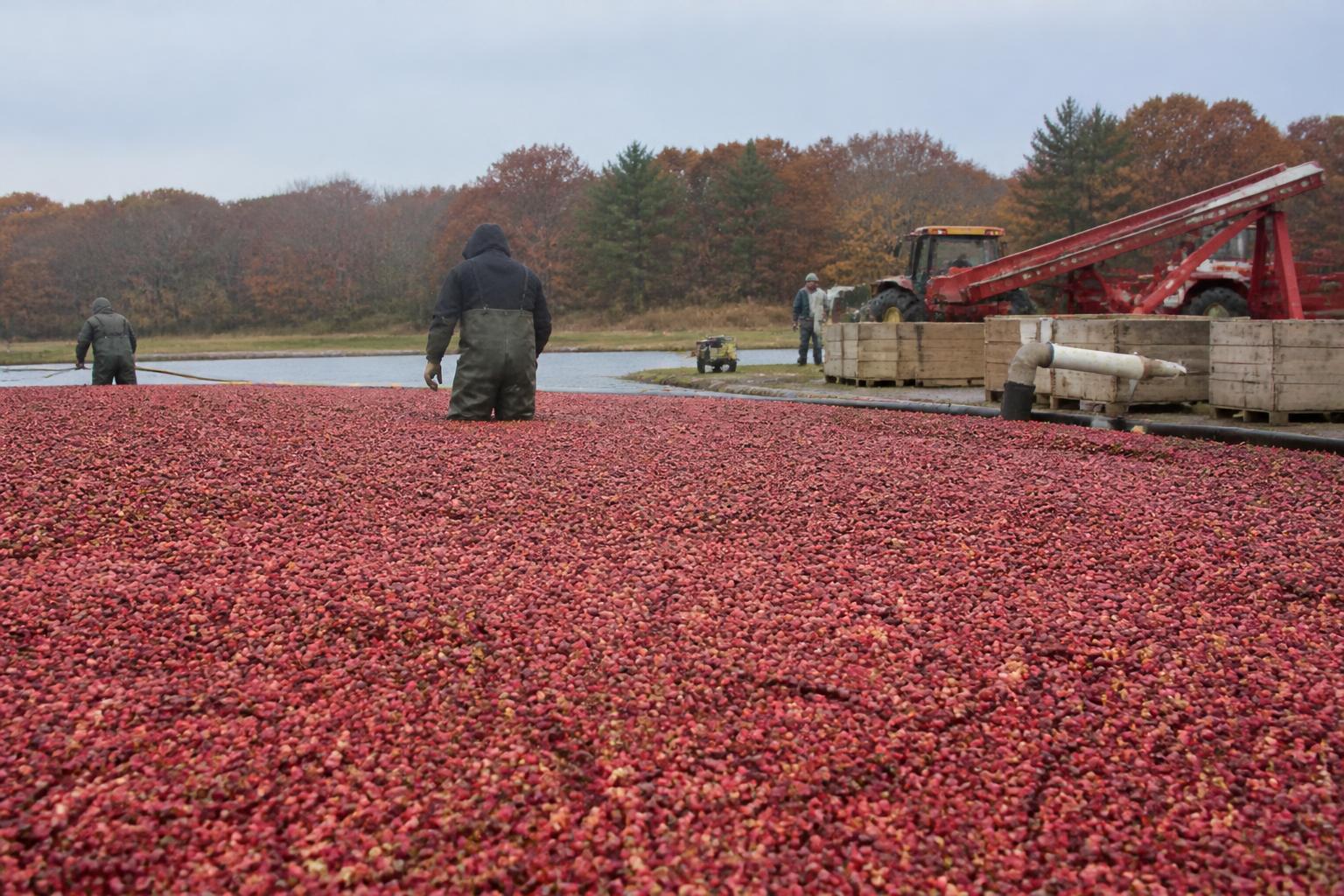
For many New Jersey farmers, the current fall season has brought a confluence of operational challenges that extend well beyond standard harvest logistics. While producers across the state work to wrap up field operations, reports of returning disease pressures in cranberry bogs are drawing fresh attention from local agricultural advisors and industry stakeholders. These persistent crop health issues come on the heels of an already demanding season, forcing many to tighten their approach to crop protection and long-term field management.
Maintaining the resilience of perennial crops is increasingly front of mind as producers assess their fields heading into the winter months. Growers are evaluating whether current moisture levels and soil conditions may necessitate a shift in standard prep work to mitigate risks before the first hard frosts set in. Similar complexities in risk management can be found in other sectors, where producers are often balancing market volatility with the need for immediate site-specific interventions to protect yield potential.
Adapting to Evolving Field Challenges
The intersection of disease management and seasonal timing remains critical for New Jersey fruit growers. When established crop health strategies face unexpected threats, farmers often turn to enhanced monitoring and adjusted input schedules. In the case of cranberries, the focus frequently shifts toward identifying early warning signs of infection to prevent broader losses across acreage. For smaller, family-owned operations that form the backbone of the state's agriculture, these adjustments often require significant time and capital investment during an already tight fiscal window.
Infrastructure and Future Outlook
Beyond field-level protection, the broader New Jersey agribusiness landscape is seeing increased evaluation of site development. As farms explore diversification, from on-farm energy storage projects to improved precision irrigation, the need for robust infrastructure is clear. This evolution is vital for ensuring that regional farms can withstand the environmental and regulatory pressures that characterize modern U.S. agriculture.
What it means for the market
For grain handlers, input suppliers, and logistics providers, the current situation highlights the need for adaptability. The combination of disease-related harvest stress and the logistical requirements of moving seasonal crops suggests a high priority on timing. Stakeholders should monitor regional updates closely, as shifts in crop health can lead to sudden changes in delivery schedules and post-harvest demand for storage or protective supplies as we transition deeper into the winter cycle.
Comments
No comments yet - be the first to share your take.