
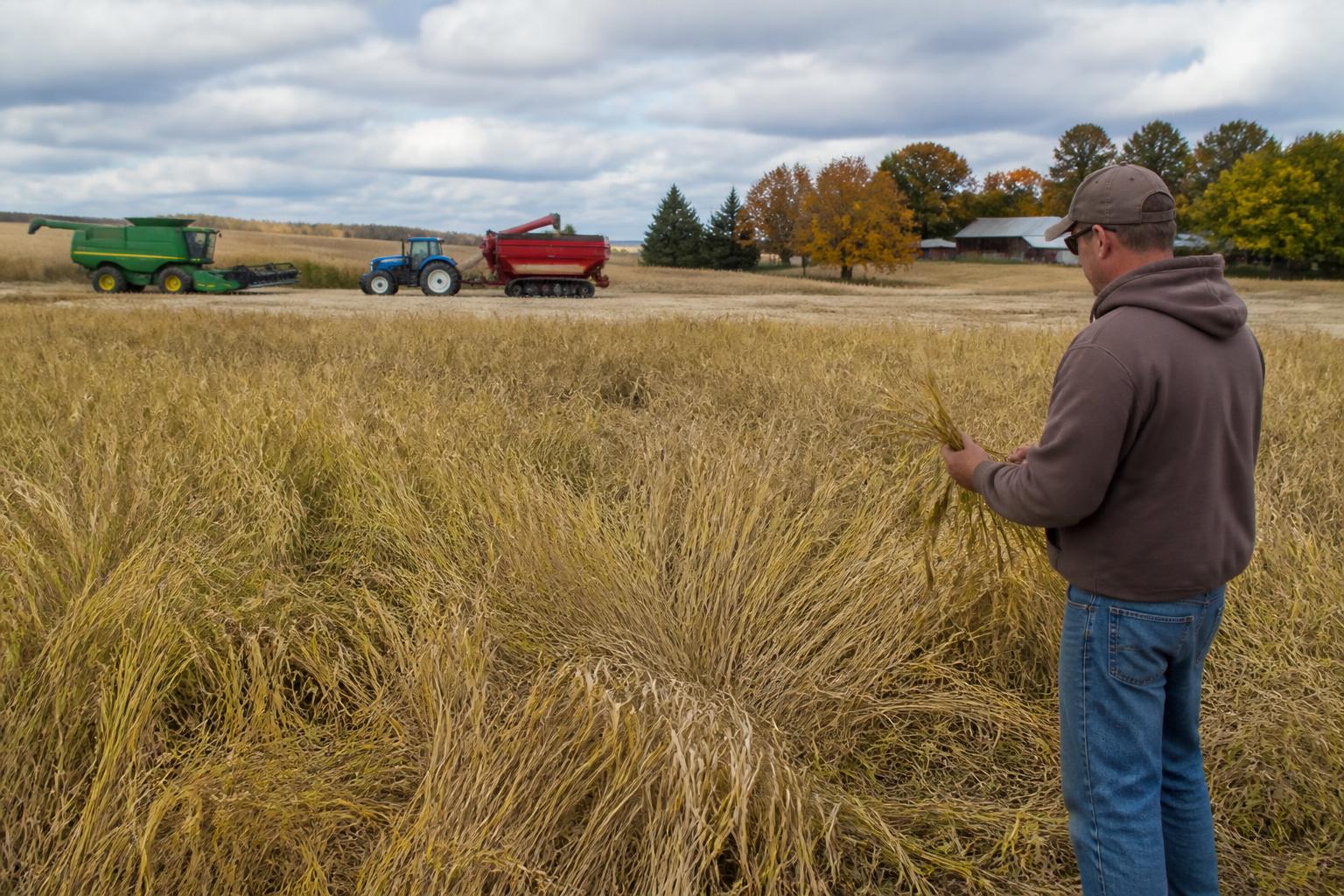
Wisconsin producers are currently navigating a challenging end to the growing season as many operations look toward winter preparations. Recent field reports indicate that lingering dry conditions in western portions of the state have hampered crop development, forcing farmers to balance soil moisture concerns with the practical realities of managing terminal flow and crop storage logistics. As harvest concludes, the focus shifts toward managing field health and financial stability during the off-season.
Infrastructure and Regulatory Shifts
Beyond the field, the state's agricultural infrastructure remains a focal point for many agribusinesses and operators. Ongoing discussions regarding proposed transmission lines and the expansion of high-capacity data centers near rural corridors continue to prompt requests for producer input. These infrastructure projects often intersect with long-standing land-use patterns, requiring operators to stay informed on how local development may influence future operational costs and transit efficiency. Additionally, new state-level guidelines concerning manure-based fertilizers mark a significant shift in nutrient management compliance, necessitating proactive adjustments in farm-wide planning.
Financial Caution in a Changing Economy
The current market climate requires increased vigilance regarding financial health. Industry observers have noted that some producers, facing the dual pressure of uneven yields due to regional drought and rising operational expenses, may be exploring alternative financing options. Agricultural officials strongly advise caution, emphasizing the risks associated with non-traditional or predatory lending practices that often target operations in periods of financial tightening. Prioritizing stable, established credit channels remains essential for maintaining long-term solvency.
What it means for the market
For the Wisconsin agribusiness community, the coming months represent a period of strategic assessment. The combination of erratic environmental variables in western counties and evolving regulatory frameworks suggests that producers should prioritize soil health planning and financial risk management. By leveraging regional extension resources and staying engaged with infrastructure policy, stakeholders can better position their operations to navigate the persistent uncertainty in the current market cycle.
Comments
No comments yet - be the first to share your take.