
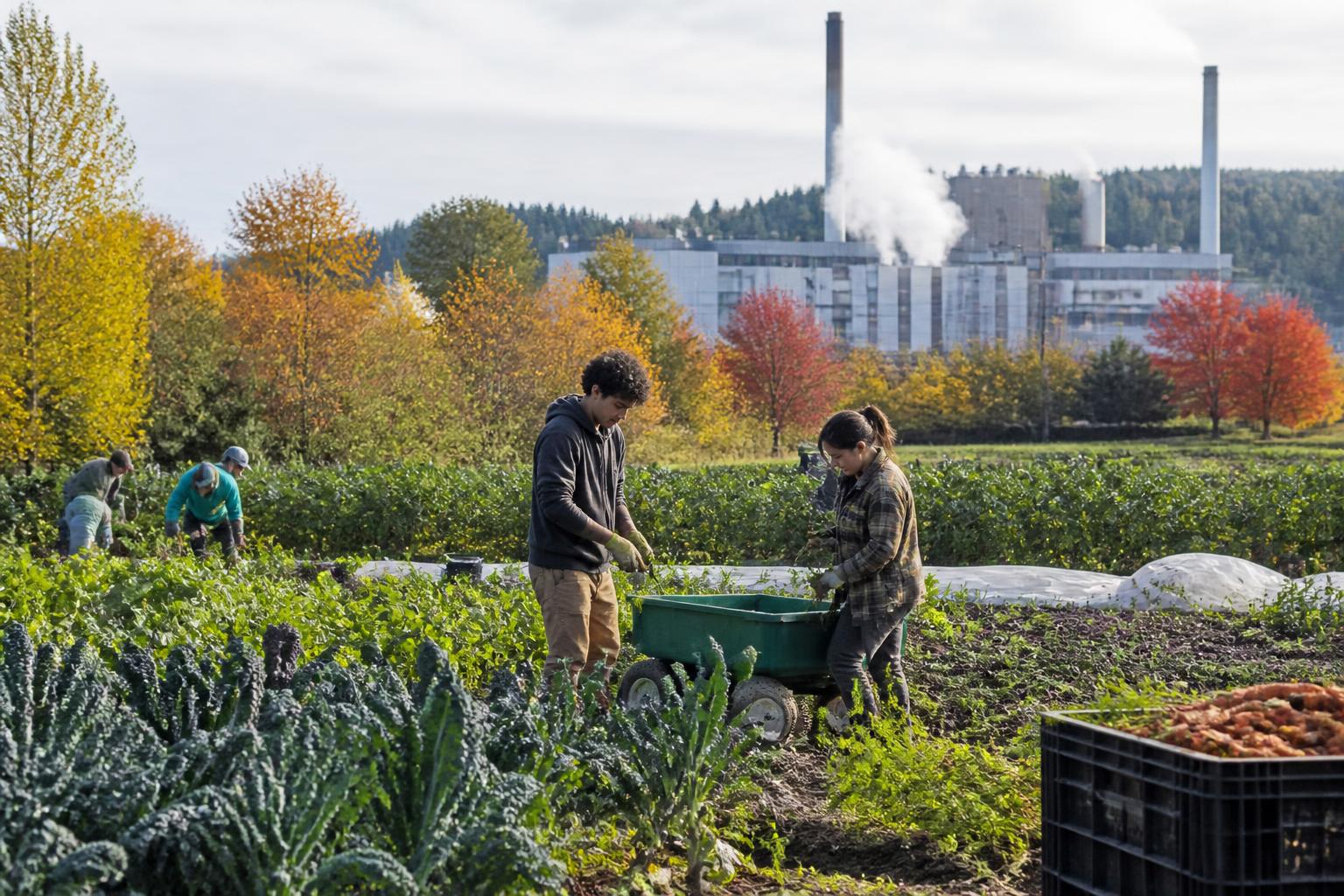
The Evolving Landscape of Pennsylvania Fertility
Pennsylvania farmers are increasingly looking toward long-term soil vitality as they navigate the complexities of modern fertilizer management. With the fall season in full swing, many producers in the Keystone State are evaluating their nutrient application strategies, focusing on how regenerative techniques can reduce dependency on synthetic inputs. Strengthening soil health is not just an environmental goal but a practical approach to protecting the productivity of regional farmland for future seasons.
Innovation in Nutrient Resource Management
Recent developments in the state suggest a shift toward more circular agricultural economies. Some regional operations are leading the way by exploring projects that turn agricultural waste into energy, effectively creating high-value nutrient byproducts in the process. Such initiatives highlight how Pennsylvania producers are managing input costs while addressing waste management challenges. For those interested in long-term sustainability, focusing on infrastructure and sustainability remains a cornerstone of successful farm management.
Navigating Economic Pressures and Support
Balancing the budget for fertilizer and other essential inputs remains a primary concern for local growers, especially as they contend with variable service costs. For many younger operators, the financial burden of modern farming, including the costs of specialized application services, can be significant. As industry leaders discuss legislative support, such as potential loan forgiveness for young farmers, the focus is often on how to keep the next generation of producers competitive while they manage the high expenses of custom agricultural services.
What it means for the market
The market for fertilizers in Pennsylvania is increasingly tied to the adoption of efficient, regenerative systems. Producers who can leverage local waste-to-energy potential or refine their nutrient application strategies through improved soil science are better positioned to weather volatility in input pricing. As you plan for the coming year, keeping a pulse on land management and market trends will be essential for maintaining a resilient and profitable operation.
Comments
No comments yet - be the first to share your take.