
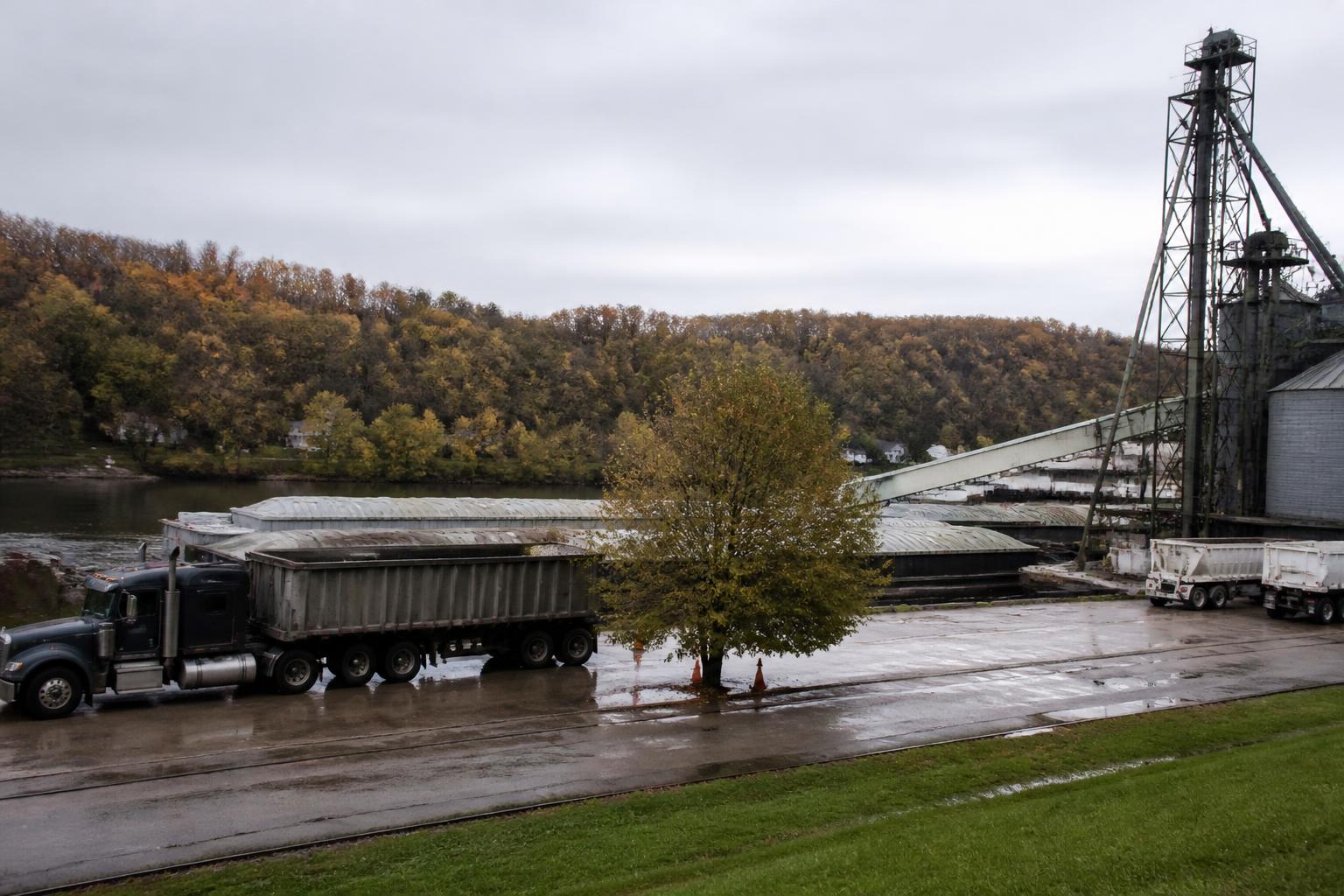
Logistics corridors across the United States are facing a complex fall season as grain handlers and exporters balance significant volume demands against long-term infrastructure constraints. With harvest in full swing, the focus has shifted toward the reliability of the nation's inland waterway system and rail networks, both of which are currently navigating notable operational hurdles.
Data continues to highlight structural risks within the domestic shipping network, particularly regarding the inland barge fleet. Industry reports indicate that the fleet is shrinking, compounded by high replacement costs that may limit capacity for future downbound shipments. These infrastructure challenges are meeting a high-demand period, where efficient movement is vital for moving soybeans and other commodities to coastal export positions.
Rail Performance and Operational Costs
Rail freight remains a critical component of the grain transport and logistics landscape, though recent data reveals a challenging pricing environment. Agricultural shippers are contending with record rail fuel surcharges, which place additional pressure on thin margins at a time when precision in transportation budgeting is essential. While carload volumes remain steady, the efficiency of these movements is being monitored closely, with recent USDA data showing specific railroads managing significant volumes of cars held in transit.
As transit efficiency fluctuates, shippers are increasingly looking at intermodal and containerized options to keep goods moving through busy corridors. This tactical shift is a common response when traditional carload availability faces seasonal bottlenecks.
Innovation in Freight Sustainability
In response to rising operational costs and a push toward sustainable logistics, some players in the agribusiness sector are exploring alternative fuel initiatives. A recent initiative, for example, is testing the viability of B100 biodiesel in commercial semi-trucks, aiming to integrate more renewable energy into daily logistics chains. While such efforts are currently in the pilot stages, they represent a broader trend toward mitigating long-term fuel price volatility through home-grown energy solutions.
What it means for the market
For grain elevators, carriers, and exporters, the current environment necessitates a proactive approach to supply chain planning. With persistent pressure on barge capacity and elevated rail surcharges, diversifying transit modes and monitoring regional rail bottlenecks are becoming essential survival strategies. Additionally, as transport efficiency and infrastructure continue to evolve, keeping a close eye on international trade policies—which may boost demand for commodities like rice and cotton—will be key to anticipating where localized logistics demand might spike in the coming months.
Comments
No comments yet - be the first to share your take.