
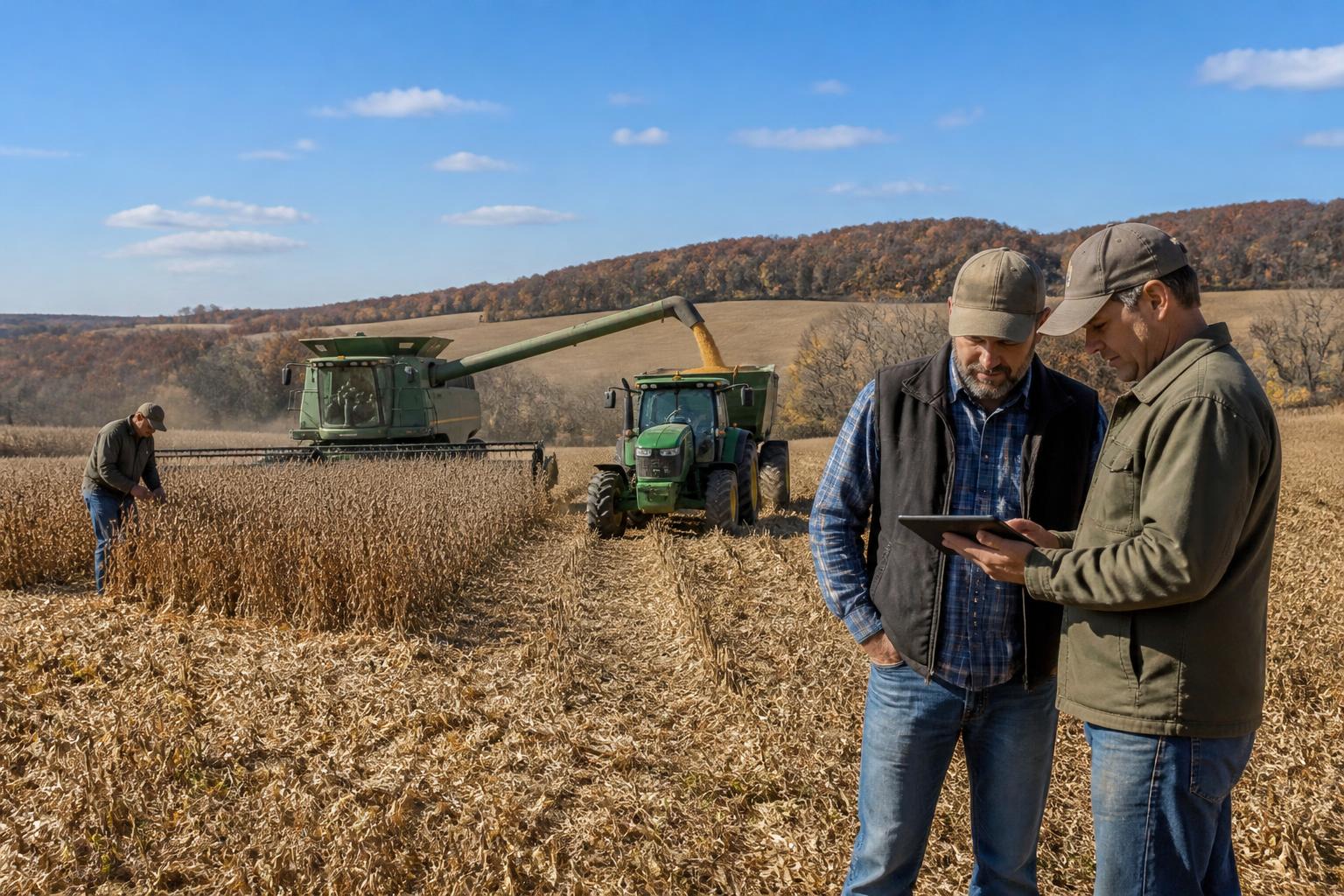
As the fall harvest season reaches its conclusion across Tennessee, local producers and transport operators are shifting their focus from peak field activity to the logistical challenges of moving commodities to market. With seasonal shifts often impacting transit times and road conditions, ensuring reliable transport remains a top priority for agribusinesses operating along major corridors like I-40 and I-65.
The agricultural landscape in Tennessee is also evolving through enhanced professional development. New initiatives in rural and agricultural appraisal education are helping to provide the next generation of stakeholders with the tools to better assess the value of land and infrastructure, which can be critical when planning long-term logistics investments. Understanding how these regional assessments align with ongoing transport pressures is essential for farm managers aiming to optimize their post-harvest overhead.
Managing Economic and Environmental Volatility
While local harvest logistics remain the primary immediate concern, broader economic trends continue to influence the sector. Recent reports suggest that environmental phenomena, such as El Nino, can introduce significant volatility into global agricultural economies. For Tennessee grain handlers and input suppliers, these global shifts may influence the costs of operations, making it increasingly important to monitor market conditions closely.
Strategic planning is particularly vital when balancing these larger economic pressures with local farm economic sustainability. By integrating conservation-minded strategies and efficient transport scheduling, operations can better insulate themselves against sudden shifts in input costs or export demand.
Building Resilient Supply Chains
As the state looks toward the winter months, the focus is shifting toward maintaining a resilient supply chain. Proactive maintenance on farm machinery and transport vehicles, alongside early contracting for shipping, remains a standard best practice for managing the transition from harvest to winter downtime. Effective inventory management can help mitigate the risks associated with volatile energy and transport prices.
For those looking to refine their operational approach, staying informed on grain market reactions provides a clearer picture of how logistics decisions interact with commodity pricing. Producers are encouraged to leverage regional extension resources and data-driven insights to navigate the remainder of the quarter.
What it means for the market
The convergence of seasonal harvest logistics and broader economic indicators underscores the need for Tennessee agribusinesses to remain flexible. By prioritizing efficient route planning and staying engaged with industry-led appraisal and economic education, stakeholders can better navigate the complexities of the current market while preparing for future operational demands.
Comments
No comments yet - be the first to share your take.