
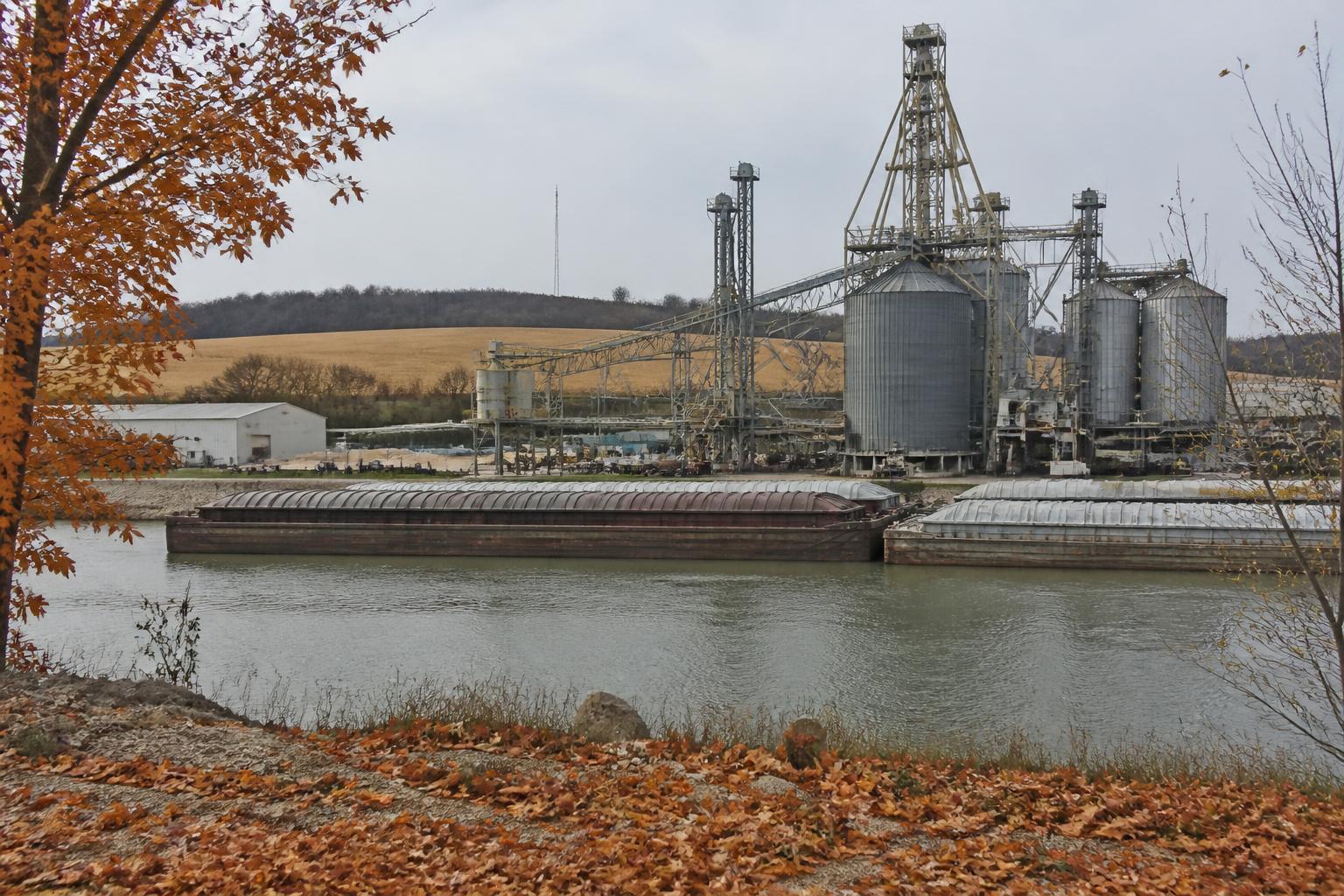
The Growing Challenge of Barge Capacity
For many agribusinesses, the inland waterway system remains the backbone of bulk commodity movement. However, recent reports highlight growing concern over an aging U.S. barge fleet. As replacement costs climb, the industry faces potential constraints that could tighten export efficiency during peak shipping windows. For farmers and grain elevators, this means the reliability of downstream logistics is increasingly tied to the long-term health of our waterway assets.
Understanding these dynamics of rising fuel surcharges and aging barge fleets is essential for those looking to mitigate risks. When vessel availability fluctuates, localized bottlenecks often emerge, potentially impacting basis levels at river-adjacent terminals.
Targeted Infrastructure Improvements
Despite these broader structural headwinds, pockets of modernization are underway. A recent federal grant awarded to Red Wing Grain is expected to significantly accelerate barge loading speeds. Such upgrades are vital, as they improve throughput efficiency at the terminal level, helping to offset some of the logistical friction caused by equipment scarcity or maintenance delays.
Rail Traffic Fluctuations
While the waterways navigate fleet renewal challenges, the rail sector provides a fluctuating alternative. Recent data indicates a rise in U.S. rail traffic for the week ending November 7, 2026, marking a 6.6% increase. For many grain handlers, rail often serves as the primary fallback when water levels or barge availability fail to meet seasonal demand. Monitoring these shifting transport volumes is crucial as the industry adapts to ongoing late-season market adjustments in logistics.
Ultimately, the current environment demands a proactive approach to supply chain planning. Whether relying on rail or water, the ability to pivot between transport modes may be a key differentiator in moving product to port efficiently as we finish out the calendar year.
What it means for the market
For growers and elevators, the combined effect of aging equipment and infrastructure investment means that basis predictability remains volatile. Strengthening relationships with local carriers and diversifying transit options—where feasible—can help manage the impacts of these supply-side constraints. Keeping a close watch on regional rail trends is also a strategic move to hedge against potential disruptions in the barge network.
Comments
No comments yet - be the first to share your take.