
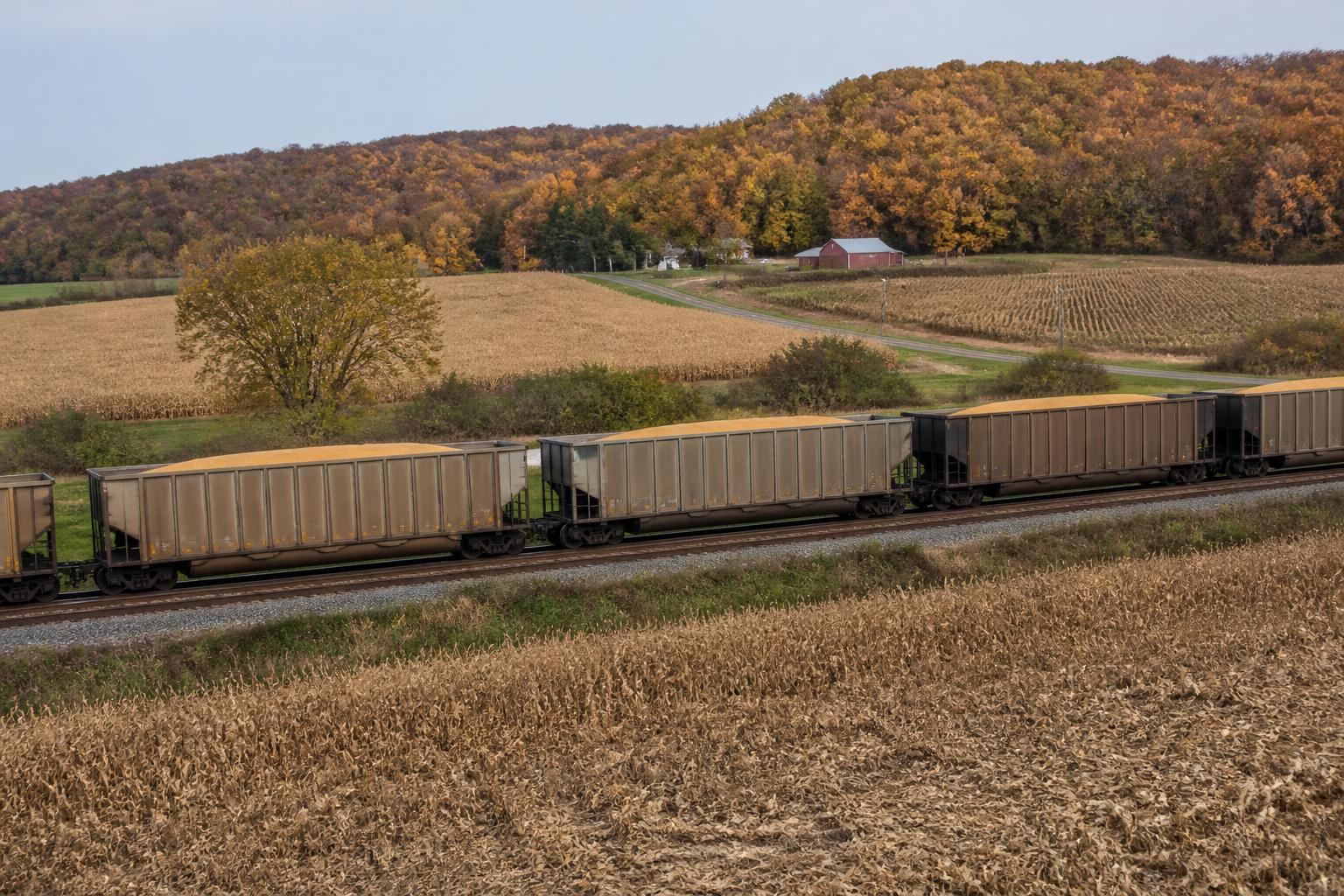
As the fall harvest season across New York begins to draw to a close, the focus for grain handlers and producers is shifting toward final transport logistics and inventory management. Efficient movement of grain from local elevators to regional processing hubs remains a vital component of the state's agricultural supply chain, with rail capacity playing a significant role in keeping volume moving during this busy period.
With current market reports highlighting sustained activity among major freight carriers, including BNSF and Union Pacific, logistics managers are keeping a close watch on shuttle train performance. For those working within the New York agricultural transport sector, maintaining a clear line of communication with local rail providers can help mitigate potential delays and ensure that output remains aligned with regional demand.
Optimizing Transport and Storage
As we move deeper into November, the logistical challenges often center on managing the flow of commodities while also optimizing on-farm storage space. Whether you are dealing with seasonal bottlenecks or planning for longer-term storage, the reliability of local transport infrastructure is a primary factor in preventing supply chain friction. Operators in key agricultural counties should focus on identifying potential pinch points early, especially as traffic patterns adjust to the end of the primary harvest window.
Navigating Evolving Market Conditions
Staying informed on national transport trends is essential for making tactical decisions at the local level. Recent data suggests that the broader grain transport landscape is experiencing shifting supply outlooks, which can influence local pricing and handling priorities. As producers navigate these changes, those who are actively managing their harvest logistics often find themselves better positioned to adapt to fluctuating transport costs and availability as we approach the end of the calendar year.
What it means for the market
For New York agribusinesses and producers, the current market environment underscores the importance of proactive logistics planning. While national rail performance metrics provide a baseline, local coordination remains the most effective tool for managing late-season volatility. By prioritizing efficient handling and keeping storage options flexible, stakeholders can maintain operational stability as the industry heads into the quieter winter months.
Comments
No comments yet - be the first to share your take.