
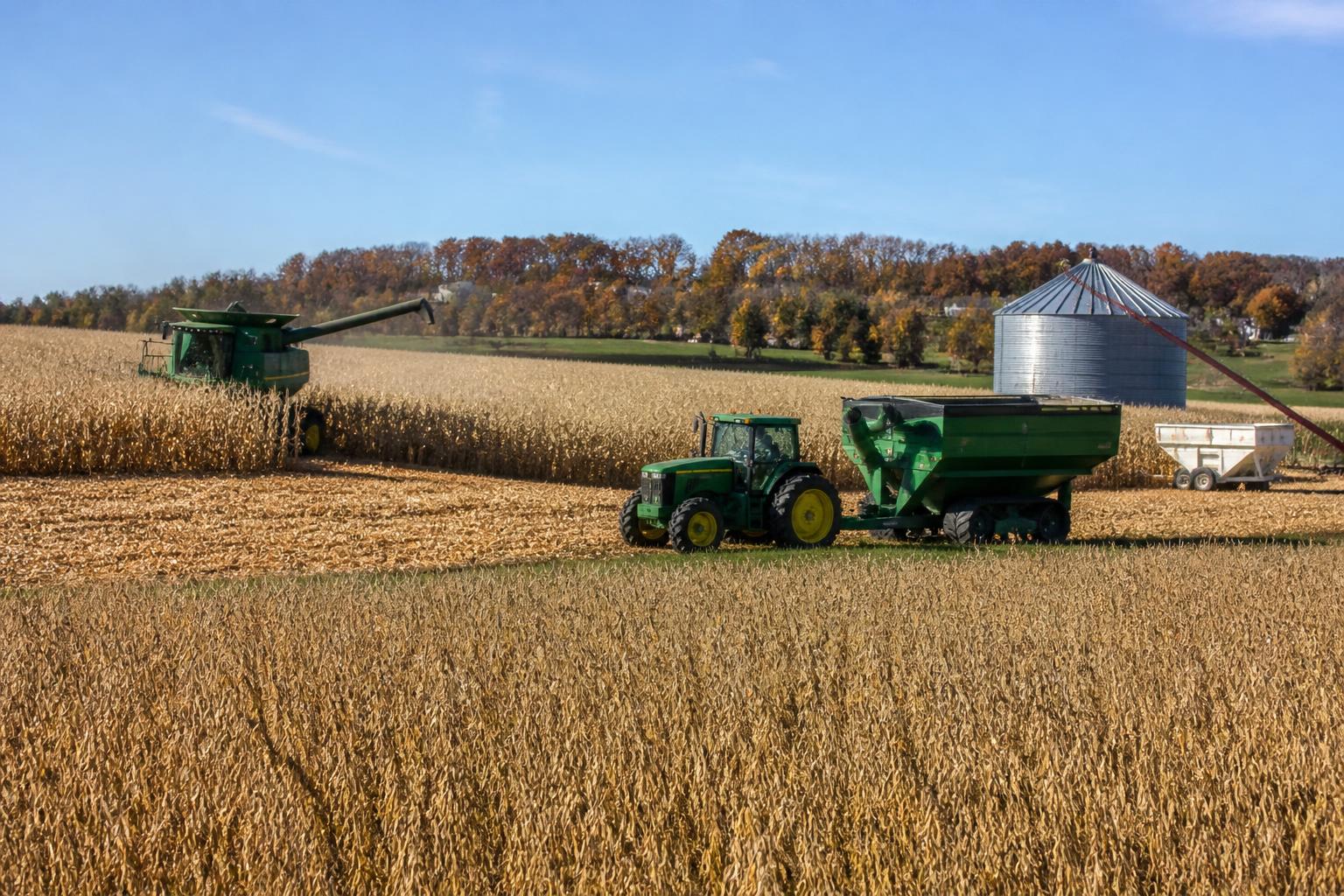
As the fall harvest draws to a close across North Dakota, the local agricultural community is shifting its focus from field operations to the broader economic and legislative headwinds shaping the coming year. While producers in counties along the Red River Valley and further west continue to monitor their grain storage and moisture levels, national policy discussions have moved to the forefront of industry conversation.
With ongoing post-harvest risk management becoming a top priority, many North Dakota agribusinesses are evaluating how current market volatility and potential shifts in federal agricultural programs may impact their bottom lines. Industry leaders are increasingly vocal about the need for congressional action on the Farm Bill before the year concludes, emphasizing that stability in federal support mechanisms is vital for regional planning.
Evaluating Market and Infrastructure Shifts
The recent landscape for grain handlers and producers has been marked by consolidation and infrastructure developments. Moves such as the acquisition of Harvestone Low Carbon Partners by The Andersons highlight the ongoing evolution of supply chains within the state. For local operations, these structural changes in the industry often translate into shifts in grain procurement strategies and regional storage availability.
Furthermore, farmers remain watchful of yield reports and their influence on market pricing. Recent USDA data showing adjustments in crop production has sparked rallies in various commodities, providing a point of interest for those still holding inventory. This environment underscores the importance of staying informed on regional grain market trends to make timely decisions on sales and storage.
Input Planning and Policy Concerns
Beyond the grain markets, attention remains fixed on federal policy. There is a growing sense among agricultural policy experts that federal farm frameworks may be ready for a reassessment. From debates surrounding crop insurance premium calculations to the ongoing discourse regarding the use of specific inputs like glyphosate, North Dakota producers are navigating a complex regulatory environment that continues to evolve at the federal level.
What it means for the market
For the North Dakota producer, the coming months will likely remain defined by a wait-and-see approach regarding federal legislative outcomes. Prioritizing liquidity, reviewing available safety-net programs, and monitoring regional logistics will be essential as the industry prepares for the next operational cycle. Maintaining flexibility in grain marketing strategies will be key to managing the ongoing influence of national supply updates and shifting demand signals.
Comments
No comments yet - be the first to share your take.