
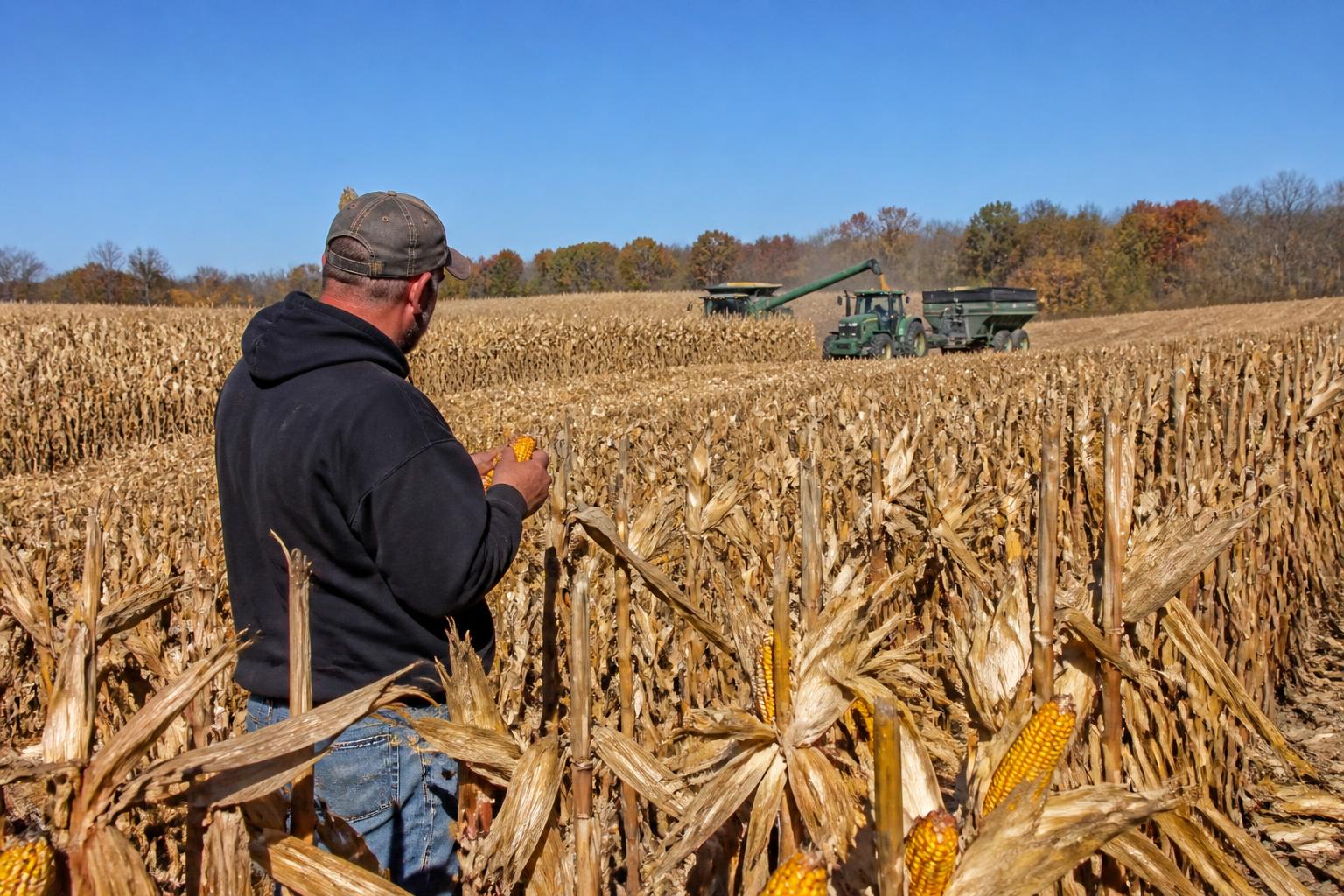
With the 2026 harvest largely in the rearview mirror, Ohio farmers are shifting their focus from field operations to strategic planning for the coming year. While individual results were mixed this season, attention has turned toward optimizing inputs and navigating the evolving regulatory environment in Columbus. For many operators, the priority remains balancing profitability with soil health and water quality stewardship.
As producers review their strategic planning for the Ohio crop season, there is increasing interest in state-level legislative discussions regarding nutrient management. Recent reports suggest that current proposals in the Ohio House are viewed by many as workable, focusing on collaborative approaches to maintaining water quality without placing an undue administrative burden on active farms. Staying informed on these legislative updates is vital for producers looking to secure long-term operational stability.
Logistics and Soil Productivity
Beyond legislative updates, the infrastructure supporting Ohio agriculture continues to see targeted investment. Recent developments, such as the new transload facility planned in partnership with Cargill, are expected to play a role in managing market flows more efficiently. These logistics improvements are particularly relevant as farmers look for ways to reduce costs and improve soil productivity through precise nutrient application and data-driven crop management.
What it means for the market
The convergence of infrastructure growth and pragmatic nutrient policy provides a framework for Ohio producers to hedge against input volatility. By utilizing Soil and Water Conservation District (SWCD) resources and staying connected to regional cooperative networks, growers can better position themselves to mitigate rising operational costs. As we move further into the fall, monitoring how these logistics projects and potential legislative shifts impact the bottom line will be a top priority for agribusinesses and individual operations alike.
Comments
No comments yet - be the first to share your take.