
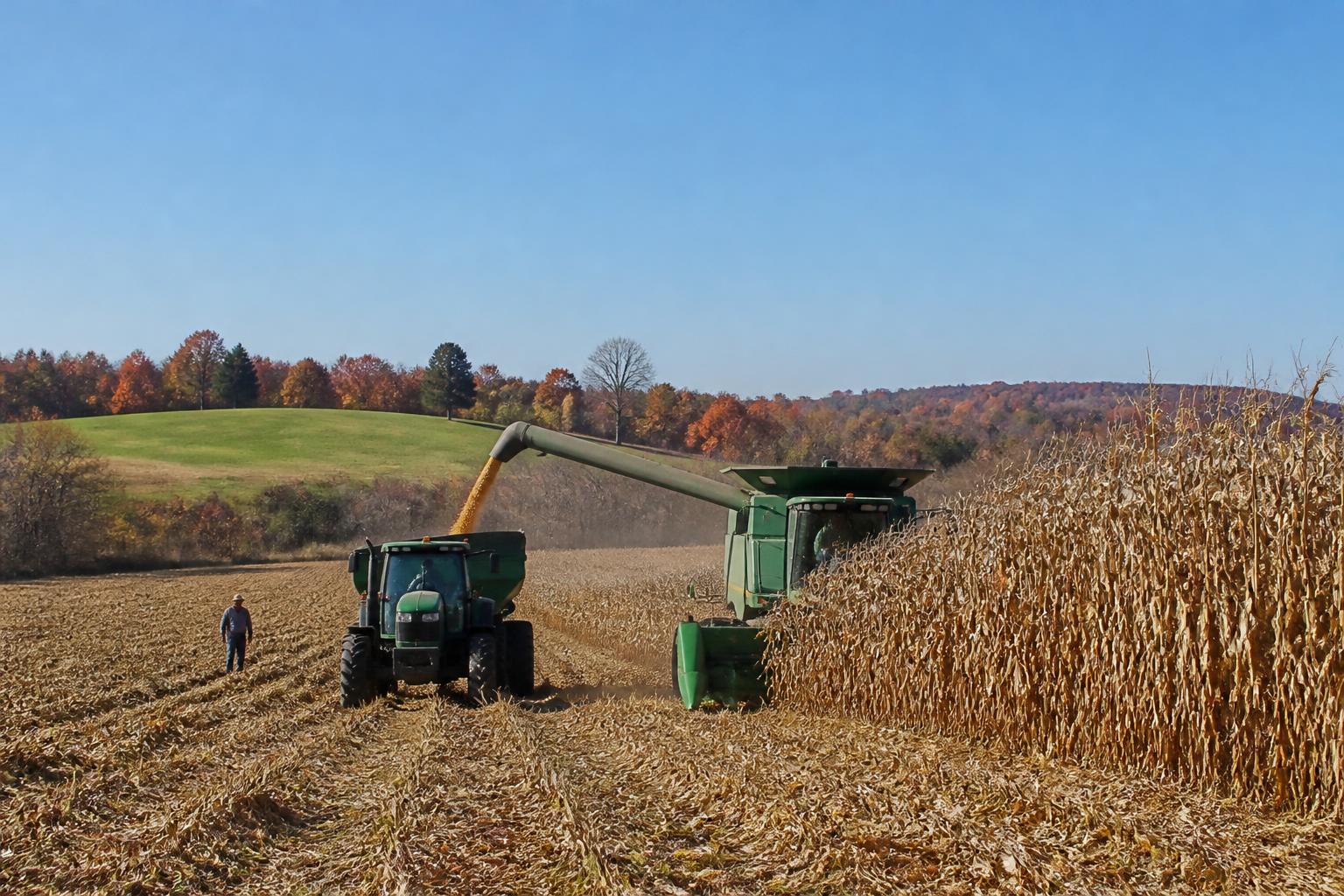
As the final acres of the Ohio harvest are brought in during these shortening November days, growers are pivoting their focus from the field to the ledger. This season has been defined by a complex tug-of-war between manageable yields and the persistent pressure of input costs, leaving many farm businesses looking for ways to shore up thin margins as they prepare for the coming winter cycle.
Market observers note that while grain prices remain a central concern for the bottom line, the focus has broadened to include the impact of broader economic conditions on operational stability. From equipment maintenance to the procurement of next year's inputs, Ohio farmers are finding that efficiency is no longer just a goal, but a necessity to offset current price volatility.
Managing Cost Volatility and Resource Allocation
With input costs for items such as fuel and fertilizer remaining a significant hurdle, many producers are turning toward more targeted application strategies and data-driven crop management. The management of input costs has become an essential component of post-harvest planning, often determining the viability of next year's planting rotation. Staying informed on fluctuating market conditions is critical for those managing grain storage or deciding when to move product to regional elevators.
Furthermore, regional conservation initiatives, such as recent funding for pasture and hayland practices, provide additional levers for producers looking to diversify income or reduce long-term land management expenses. By leveraging these programs, some operations are finding ways to lower their overhead while improving the resilience of their acreage against future market downturns.
Strategic Planning in a Shifting Trade Landscape
Beyond the farm gate, the global trade environment continues to influence local demand for Ohio corn and soybeans. Recent visits from international trade delegations underscore the importance of maintaining strong, long-term partnerships to support demand for U.S. commodities. For producers navigating this environment, understanding how international shifts affect strategic grain security can help in making informed decisions about marketing and storage throughout the winter months.
It is also worth noting that local land-use concerns continue to play a role in the long-term outlook for the state's agricultural footprint. From policy discussions in counties like Sandusky to the integration of new technologies, the landscape of Ohio agriculture is evolving, pushing producers to maintain high levels of adaptability.
What it means for the market
The current market environment demands a disciplined approach to financial oversight. With margins under pressure, the combination of cautious input purchasing, strategic use of conservation support, and active engagement with grain marketing options will likely distinguish successful operations through the off-season. Farmers should prioritize liquidity and monitor regional price signals as the industry adjusts to current trade realities.
Comments
No comments yet - be the first to share your take.