
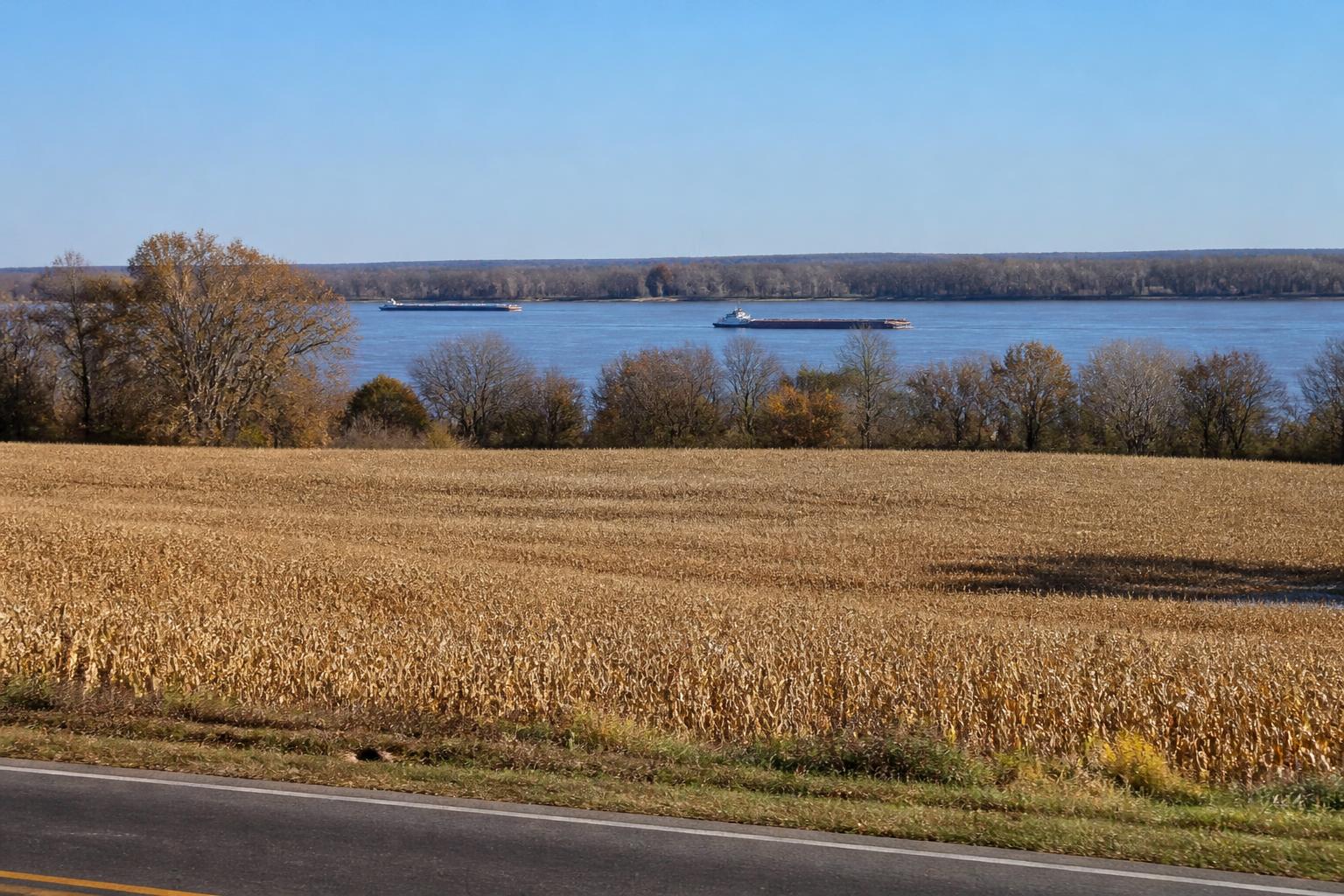
As the fall season progresses in Mississippi, the agricultural community is balancing fair, dry field conditions with rising logistical pressures. While recent weather patterns have provided a stable window for late-season operations, the broader transportation landscape continues to face significant headwinds that could impact the bottom line for producers and elevators alike.
For many across the Delta and surrounding regions, the focus is shifting toward long-term operational resilience. Beyond day-to-day weather variables, the structural integrity of our transportation network remains a persistent topic of discussion. Specifically, barge fleet constraints impacting Mississippi grain transit are heightening concerns regarding export efficiency as the industry looks to move late-season supplies toward Gulf ports.
Infrastructure Headwinds and Export Capacity
The aging nature of the current barge fleet is no longer just a distant concern but an active factor influencing local grain basis levels. Industry reports indicate that the slow pace of vessel replacement and maintenance is creating potential bottlenecks. When fleet capacity tightens, the ripple effects are felt directly by grain handlers who must navigate increasing transit costs to ensure their product reaches international markets. Producers should monitor these logistics closely, as shipping premiums may adjust to compensate for these underlying fleet limitations.
Weather Impacts on Regional Operations
From a meteorological perspective, the state is experiencing a period of dry and relatively fair weather. This consistency has generally favored field access, allowing for the completion of any remaining fall tasks. However, the arrival of colder air masses serves as a seasonal reminder that winter operational shifts are approaching. Maintaining consistent grain quality and managing moisture levels during transit will be key as temperatures begin their seasonal decline.
Looking Ahead
The intersection of aging infrastructure and seasonal transit demand creates a complex environment for Mississippi agribusinesses. While the current weather offers a reprieve from immediate climate-related disruptions, the underlying logistical bottleneck remains the critical variable to watch. Strategic planning for storage and timing of market participation remains essential as the industry navigates these systemic challenges.
What it means for the market
The current market environment suggests that grain transport costs may remain under pressure due to limited barge availability. Farmers and elevators should prioritize early coordination with shipping partners to avoid peak-season surcharges. As the export window progresses, the combination of regional logistical efficiency and broad infrastructure constraints will continue to dictate the competitiveness of Mississippi grain on the global stage.
Comments
No comments yet - be the first to share your take.