
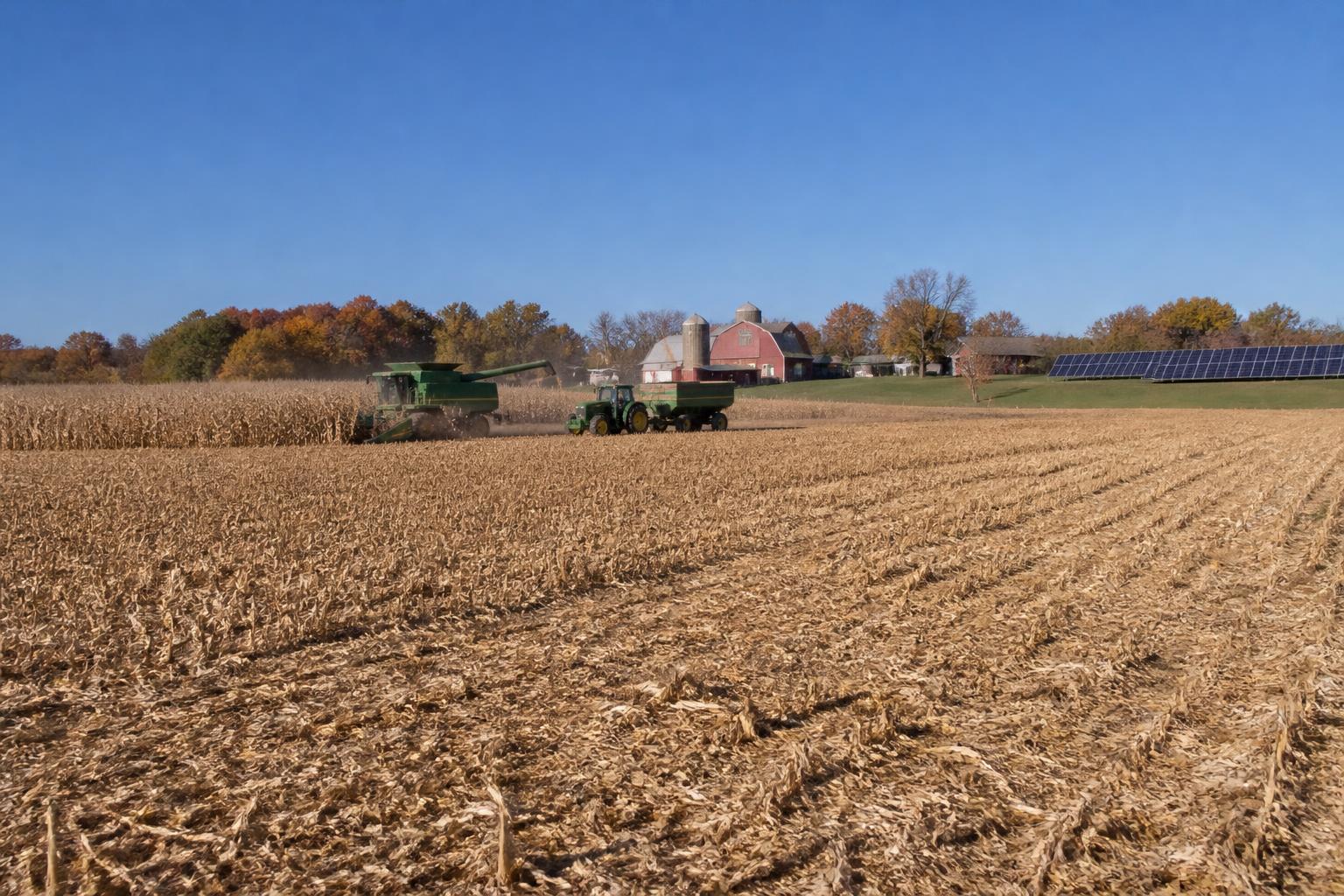
With the majority of the U.S. corn and soybean harvest now nearing completion, Minnesota producers are turning their attention to the bottom line. As we move through the final weeks of fall, the intersection of seasonal logistics and long-term financial planning becomes the primary focus for grain handlers and farm operations across the state. Farmers in regions like the Red River Valley and southern Minnesota are currently assessing the effectiveness of post-harvest grain management as they look to optimize storage before winter fully sets in.
Input Cost Considerations for 2027
Managing the upcoming growing season requires a sharp eye on input expenditures. As market volatility persists, many local operators are carefully reviewing their procurement strategies to mitigate risk. Market analysts suggest that potential rallies in corn and soybean prices could offer opportunities to improve net margins, provided that producers stay agile in their decision-making. Careful planning regarding inputs—ranging from fertilizers to seed technology—remains a top priority as businesses prepare for the 2027 cycle.
Logistics and Market Resilience
Infrastructure constraints remain a known variable during the busy transit periods following the harvest. In many parts of Minnesota, the smooth flow of grain to local elevators is critical for maintaining cash flow. Understanding seasonal pressure on grain logistics is essential for minimizing downtime and managing transport costs. As the state's agricultural community continues to adapt, some producers are finding value in diversifying their operations, including exploring the integration of emerging production models alongside traditional crops.
What it means for the market
For Minnesota agribusinesses and grain handlers, the current period represents a transition from high-intensity harvest activity to strategic inventory control. With national harvest progress reaching significant milestones, the focus is shifting toward local capacity and price discovery. Keeping a close watch on regional infrastructure throughput and optimizing storage workflows will be key to protecting margins as we head into the quieter winter months.
Comments
No comments yet - be the first to share your take.