
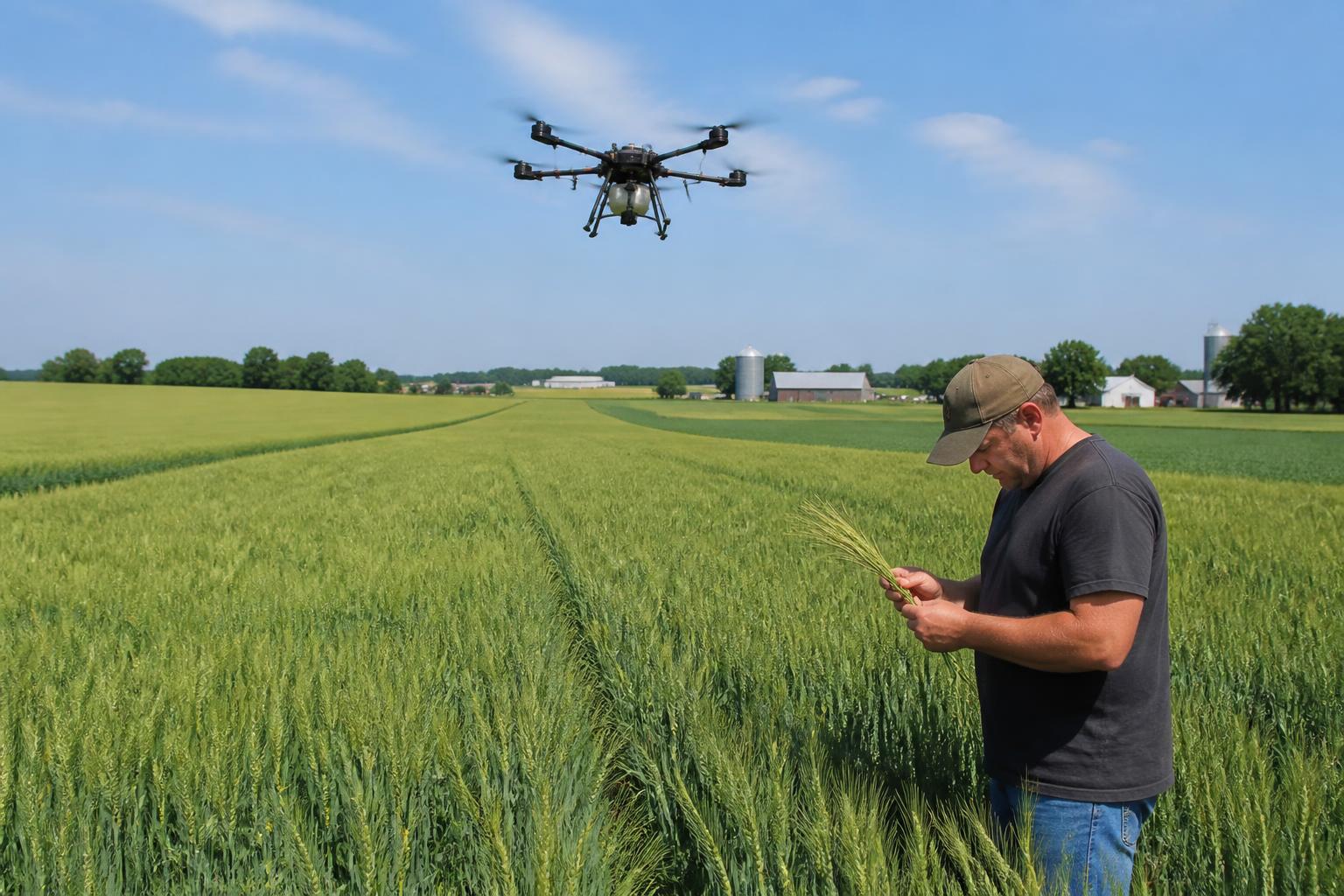
Michigan agribusinesses are navigating a complex summer market. From shifting retail assets to economic pressures pulling down equipment sales, growers and supplier cooperatives are adjusting their long-term strategies. In West Michigan, processing capacity is getting a major boost, even as fruit growers assess damage from spring weather extremes and adapt their fields for future resilience.
Consolidation and Input Market Adjustments
Retail networks across the state are poised for change. A joint venture between Ceres Solutions and Co-Alliance is currently exploring the purchase of CHS retail assets in Michigan. This potential acquisition could reshape the cooperative landscape and alter distribution channels for local growers, especially as growers review their purchasing strategies. For a deeper look at these input dynamics, consult the Michigan Input Market Review, which covers how supply chain shifts are impacting local farms.
On the policy and pricing front, relief may be on the horizon for crop nutrient buyers. The International Trade Commission (ITC) has announced plans for a full five-year review of countervailing and antidumping duties on phosphate fertilizer imports from Morocco and Russia. Michigan corn, wheat, and soybean producers have closely monitored these tariffs, which have historically elevated local retail fertilizer prices.
Economic Pressures Dampen Machinery Demand
While retailers consolidate, farm equipment dealers are facing quieter showrooms. Continued economic uncertainty has been blamed for an ongoing slump in tractor and combine sales. Tight profit margins are forcing many growers to delay capital improvements and extend the lifespan of their current fleets. High cash rents in productive agricultural counties are further squeezing operating budgets, making major capital investments less feasible for many family-owned operations.
West Michigan Fruit Mitigation and Processing Growth
Michigan's specialty crop sector is showcasing both vulnerability and long-term confidence. West Michigan apple orchards suffered damage from a spring freeze, which thinned potential yields in some regions. In response to recurring temperature fluctuations, some orchards are actively installing wind turbines to help shield high-value fruit crops from late-season frosts.
Despite these immediate crop challenges, food processors are showing strong commitment to the region. A frozen food processor has announced plans for a 205 million dollar expansion in Holland Township. This massive project is expected to create up to 198 new jobs, securing a robust local market for regional growers and boosting processing logistics in the state.
What it means for the market
The Michigan agricultural market is currently defined by caution in short-term spending alongside robust long-term infrastructure investment. While machinery sales remain sluggish and growers cope with high cash rents, retail consolidations and the massive 205 million dollar food processing expansion in Holland Township point to a resilient agricultural supply chain. Growers who can successfully manage high input costs and adopt protective field technologies are well-positioned for the seasons ahead.
Comments
No comments yet - be the first to share your take.