
South Carolina growers are navigating a highly demanding summer production season as severe weather patterns challenge field resilience. With recent reports highlighting major losses across the Carolinas due to recurrent storm damage, crop protection and proactive field recovery have become urgent priorities. For agribusinesses, crop consultants, and local growers, protecting existing acreage from both environmental stress and subsequent pest pressures is critical to salvaging the season's yield potential.
In counties across South Carolina, from the Pee Dee region down to the coastal plains, sudden summer storms can cause severe lodging, soil erosion, and physical damage to crops. To mitigate these risks, growers are utilizing targeted solutions, particularly those focused on managing summer pest pressures and input innovation, to stabilize yield expectations during these erratic weather periods.
Weathering the Storm: Mitigating Summer Crop Damage
When high winds and heavy rainfall strike, physical damage to crops like corn, cotton, and soybeans is only the first wave of trouble. The structural damage to plant tissues creates open entry points for fungal pathogens and bacterial infections. Proactive crop protection following a storm involves rapid field scouting to assess plant health and applying timely fungicidal treatments where necessary to prevent opportunistic diseases from taking hold.
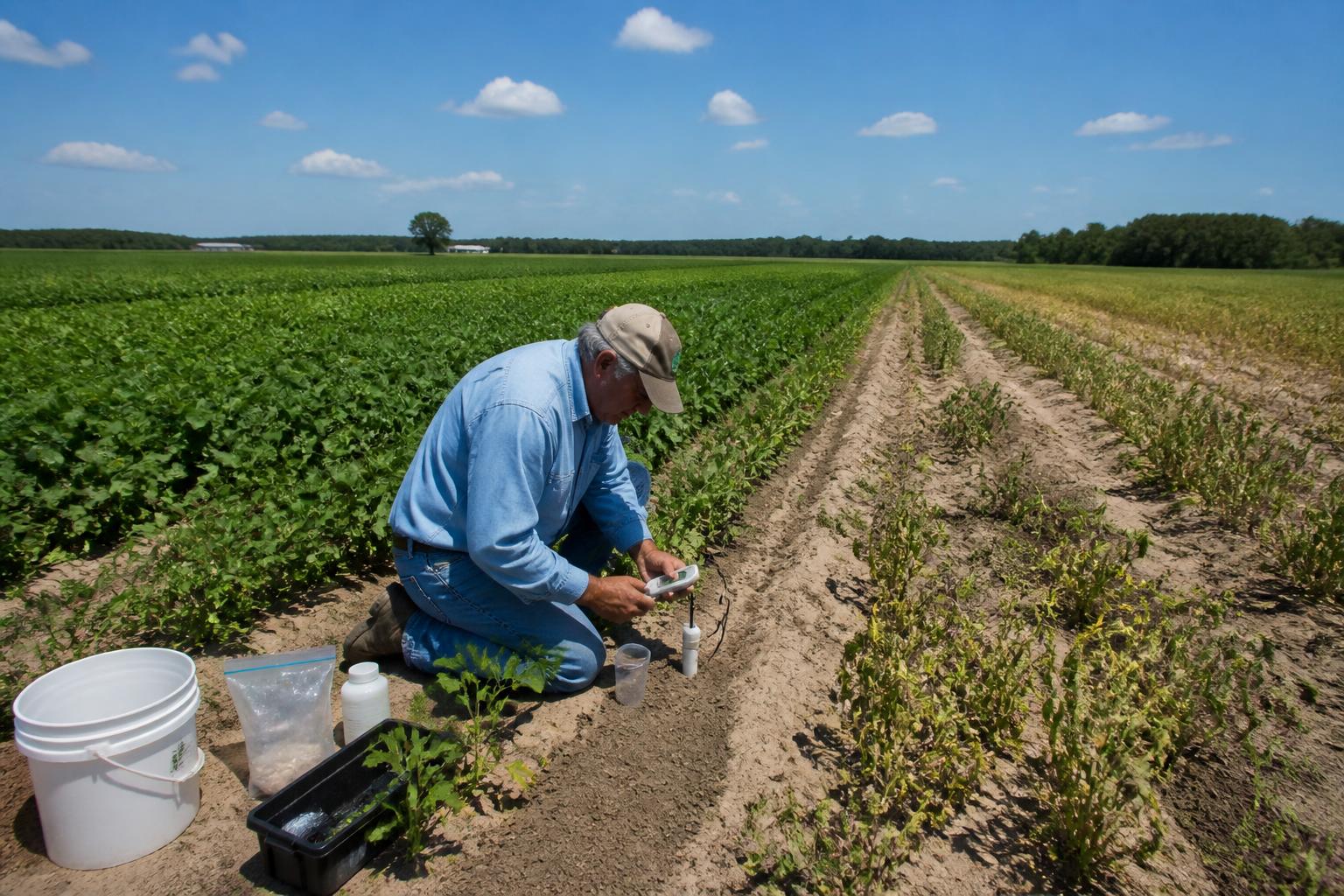
In addition to direct plant damage, heavy rainfall often leads to nutrient leaching and soil compaction. Growers are increasingly looking at precision technology to optimize recovery plans. Soil electrical conductivity has emerged as a key tool in precision farming, helping operators map soil variability and apply inputs precisely where they are needed most. By understanding soil conductivity, growers can make more informed decisions about variable-rate fertilizer applications to help storm-stressed crops recover their nutritional balance.
Rotation and Innovation as Long-Term Shields
While immediate post-storm recovery is critical, South Carolina producers are also looking at long-term rotational strategies to build field resilience. Diversifying crop rotations remains one of the most effective non-chemical protection methods available, disrupting weed, disease, and insect life cycles naturally. Innovative growers in the state are finding that strategic crop rotations not only improve soil structure but also reduce the overall reliance on high-cost chemical inputs.
However, diversifying crops comes with its own set of operational hurdles. For instance, alternative specialty crops like sesame have seen acreage fluctuations, with some regional sesame acres plummeting as growers face unique production and marketing challenges. Balancing these rotational experiments with proven cash crops requires careful planning. At the same time, regional logistics systems must handle localized volume shifts, creating additional complexity alongside ongoing ag logistics and weather hurdles across South Carolina's transport corridors.
Key Takeaways for SC Growers
- Scout immediately after storms: Check for physical damage and watch closely for fungal or bacterial pathogens entering through damaged plant tissue.
- Leverage precision tools: Use soil electrical conductivity mapping to target nutrient applications on areas of the field suffering from heavy leaching or compaction.
- Focus on rotation: Maintain robust crop rotation schedules to reduce pest pressures naturally and improve long-term soil health.
What it means for the market
The convergence of severe summer weather and localized crop losses is tightening regional supply outlooks, putting a premium on high-quality, undamaged grain and fiber. South Carolina elevators and buyers are closely monitoring crop progress, which may lead to localized basis adjustments as the harvest season approaches. For input suppliers and carriers, the shifting needs for post-storm crop protection inputs and variable logistics routes mean that flexibility will be the defining trait of a successful summer marketing campaign.
Comments
No comments yet - be the first to share your take.