
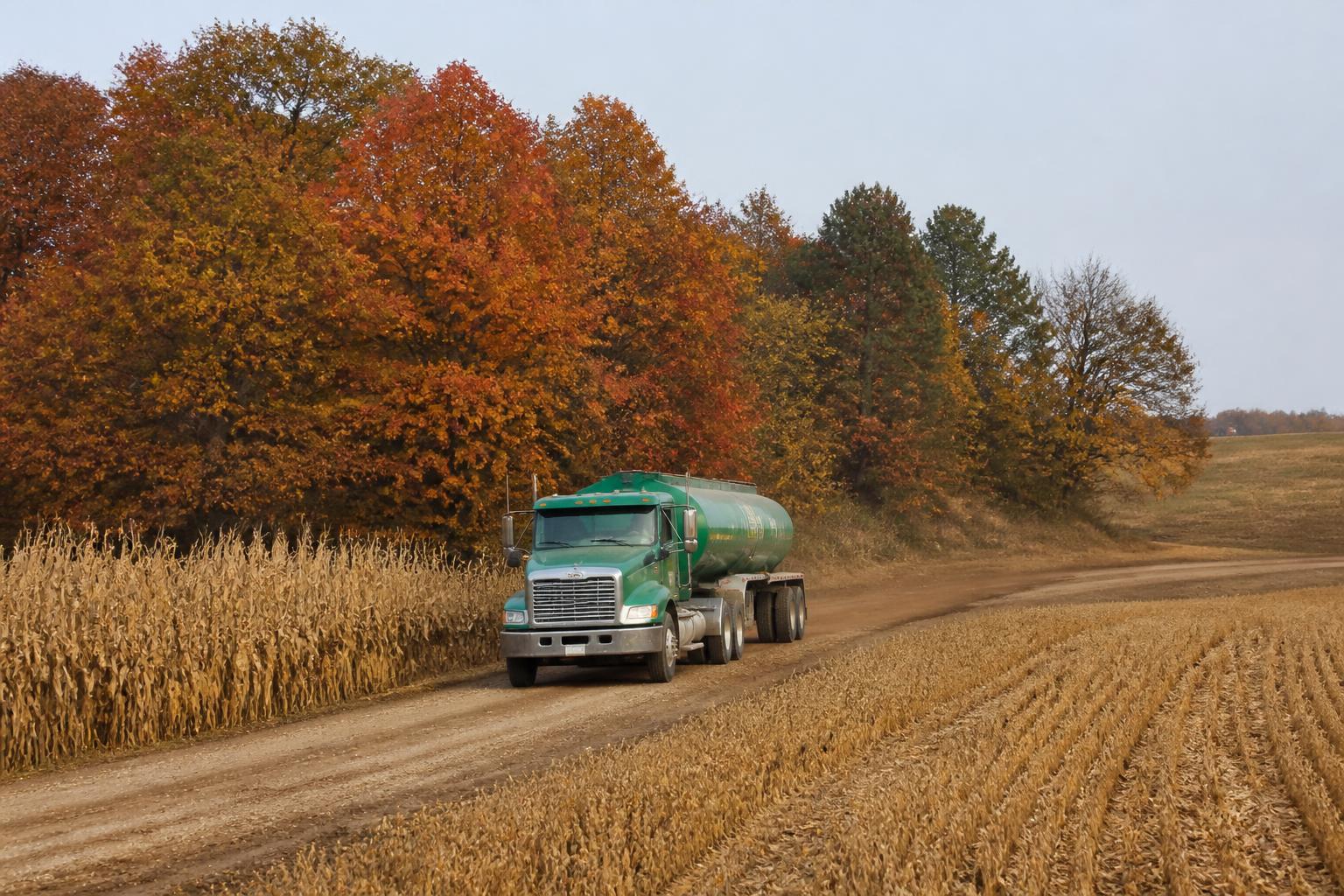
As we move deeper into the fall season across Kansas, the focus for many agribusinesses and producers shifts toward maximizing logistics efficiency. With harvest activity often straining regional transport corridors, the integration of new technologies in freight is proving to be a critical factor for maintaining operational flow across our state's vital infrastructure.
Sustainability in logistics is no longer just a long-term goal but an immediate operational consideration. Recent industry developments, including collaborations between major machinery manufacturers and technology firms, are introducing B100 biodiesel-powered trucks into the freight mix. For Kansas grain handlers and input distributors, these advancements may offer a pathway to optimize fuel costs and reduce the environmental footprint of long-haul transport during peak seasonal demand.
Navigating Seasonal Logistics and Fuel Efficiency
The reliability of fuel supply chains remains a top priority for elevators and farms alike. Industrial fuel logistics are evolving, with an increased focus on the lifecycle of onsite fuel storage solutions. As businesses look to modernize, upgrading aging infrastructure can help mitigate the risks of downtime during critical windows of operation. Understanding the rhythms of local grain markets is essential when aligning freight availability with peak storage capacity needs.
Furthermore, regional rail connectivity continues to serve as a backbone for moving Kansas commodities. The stability and performance of major rail networks are closely watched by stakeholders to ensure that harvest volumes reach their intended destinations without unnecessary bottlenecks. Evaluating these post-harvest input and output logistics often requires a proactive approach to scheduling and carrier coordination, particularly as the state's agricultural sector continues to integrate more diverse transport options.
What it means for the market
For the average Kansas producer or agribusiness owner, the current market environment rewards those who prioritize flexibility in their freight strategy. Whether leveraging new biodiesel transport solutions or refining fuel storage logistics, modernizing the movement of goods is a key defensive measure against the volatility of the season. Keeping a close watch on regional freight capacity and adopting efficient storage technologies will be essential to maintaining a competitive edge in the coming months.
Comments
No comments yet - be the first to share your take.