
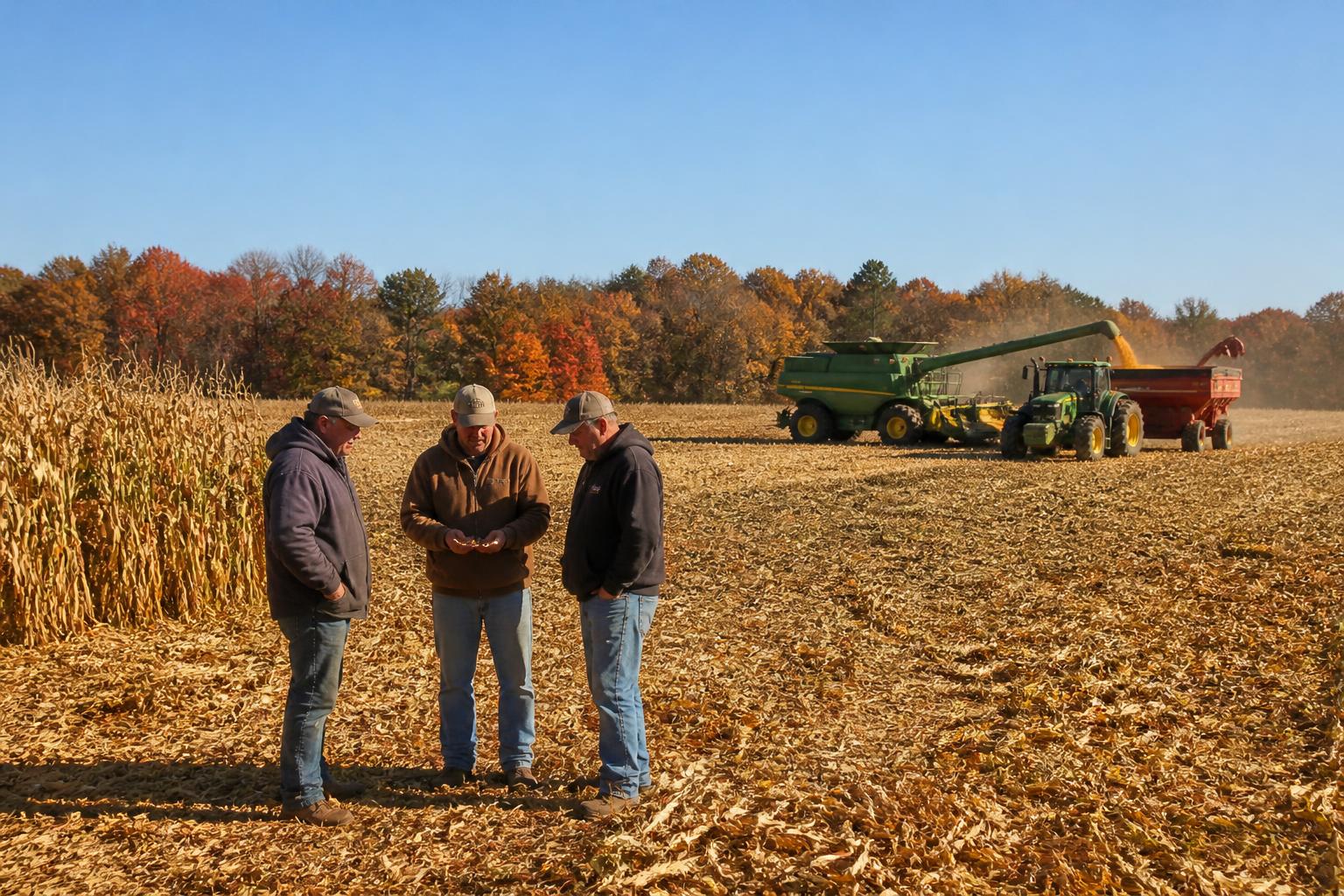
As the fall harvest season in Washington begins to reach its conclusion, logistics remain a primary concern for growers and shippers alike. Recent reports indicate that the availability of refrigerated trucks in the region has tightened significantly, creating a challenging environment for those moving perishable commodities and late-season yields to market. This trend is often typical during peak periods, as the scramble to clear warehouses and grain bins places substantial pressure on local transport infrastructure.
The current state of logistics highlights the importance of proactive capacity planning, especially as regional agricultural hubs look to maintain efficient flows through critical corridors. For many operators, the increased competition for hauling services may necessitate closer coordination with carriers to manage shipping deadlines and avoid potential bottlenecks. Ensuring that transport needs are balanced against broader logistics and capacity constraints remains a top priority for those operating in the state.
Managing Supply Chain Pressures
Beyond immediate trucking concerns, growers continue to navigate a complex broader market environment. Ongoing discussions regarding agricultural policy and regulatory frameworks often serve as a backdrop to daily operations, with many producers tracking how potential shifts in sector-wide supply chain pressures might affect long-term stability. As input costs and market fluctuations remain at the forefront, the ability to adapt to these shifts is essential for maintaining operational resilience.
Furthermore, the industry is increasingly focused on how global trade dynamics impact domestic bottom lines. The intersection of local harvest timing and national demand creates a narrow window for decision-making. Producers are balancing these immediate hurdles with a need to optimize storage and transport strategies, often leveraging insights into evolving market pressures that characterize the final stages of the harvest cycle.
What it means for the market
For Washington agribusinesses, the current tightening of transport availability signals a need for flexible scheduling and clear communication with logistics partners. As the season winds down, staying ahead of potential service gaps in refrigerated freight will be vital for protecting margins and ensuring that products reach their destinations without undue delay or cost escalation.
Comments
No comments yet - be the first to share your take.