
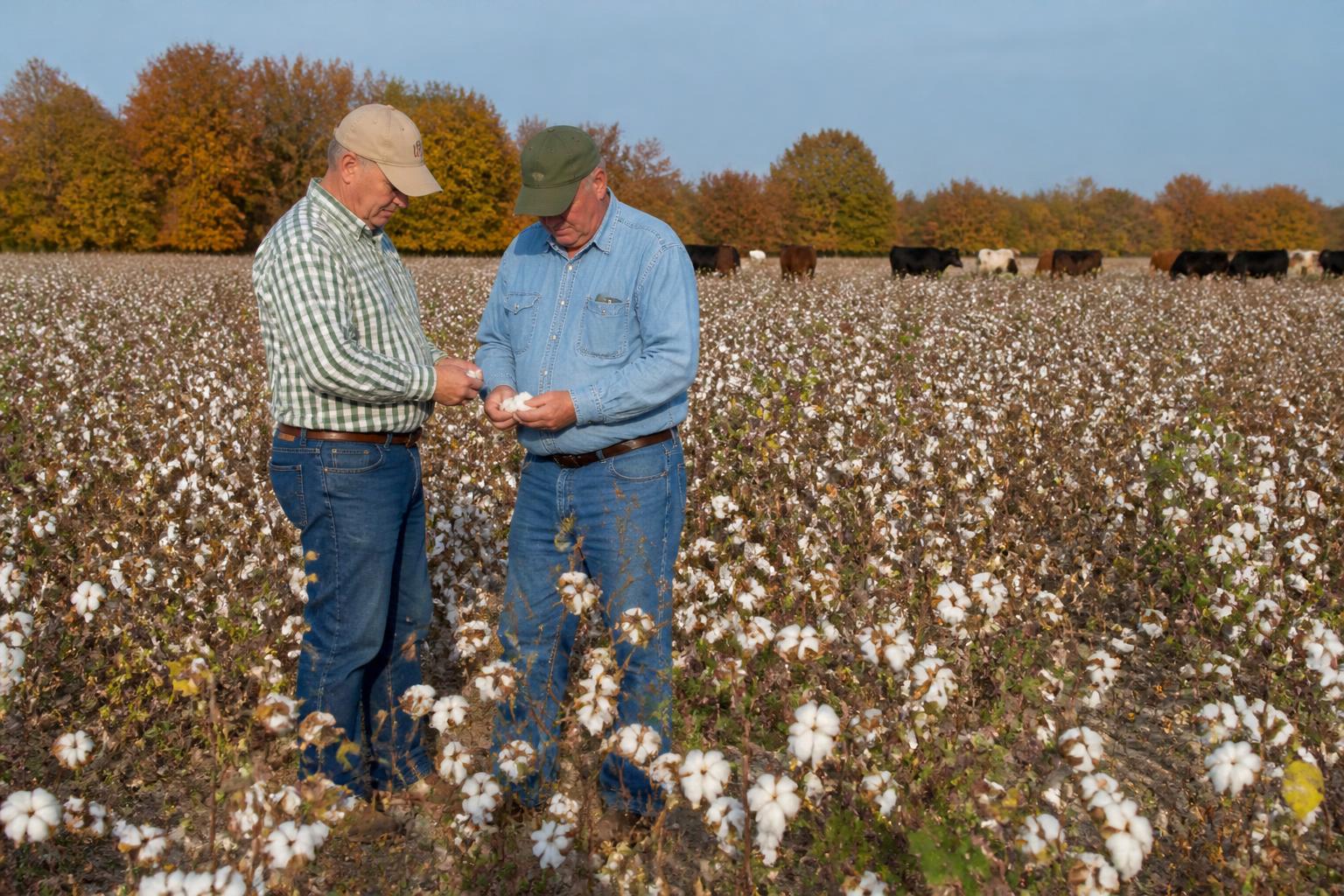
As Texas agricultural producers navigate the final weeks of fall, the intersection of evolving federal policy and regional climate pressure remains a top concern for operations across the state. From the High Plains to the Gulf Coast, growers and ranchers are evaluating how potential shifts in infrastructure and compliance regulations may impact their bottom lines as they close out the calendar year.
For many, the focus has shifted toward strengthening livestock defenses against mounting operational pressures. As state leadership continues to emphasize food affordability and economic stability, producers are increasingly looking for ways to streamline input costs and improve efficiency in the face of unpredictable seasonal shifts.
Managing Environmental Variability
Regional conditions continue to vary significantly, with many producers noting the stark contrast in soil moisture compared to previous seasons. In cotton-producing regions, the movement from historically greener fields to more parched landscapes has highlighted the ongoing need for robust risk management strategies. This moisture deficit often complicates field preparation and long-term planning, forcing many to tighten their operational budgets ahead of winter.
Regulatory Relief and Operational Efficiency
Recent discussions surrounding energy and infrastructure proposals at the federal level have sparked cautious optimism within the agricultural sector. Policies aimed at adjusting operational requirements for the oil and gas industry could, in some instances, translate to reduced logistics and input costs for grain handlers and producers alike. By easing the burden of certain operational hurdles, these potential shifts may offer a much-needed buffer for those managing heavy transport or energy-intensive facilities.
Key Takeaways for Texas Producers:
- Monitor federal updates on energy infrastructure, which may influence regional fuel and utility costs.
- Prioritize risk management as soil moisture levels remain a variable factor across major crop corridors.
- Continue tracking legislative developments regarding livestock health standards to ensure long-term compliance and security.
What it means for the market
For Texas agribusinesses, the current environment demands a defensive posture. While regulatory adjustments may eventually provide relief, immediate market volatility and climate-driven yield uncertainty remain the primary drivers of decision-making. As the state moves toward winter, maintaining supply chain flexibility and securing input margins will be critical for weathering potential logistical disruptions and fluctuating seasonal demand.
Comments
No comments yet - be the first to share your take.