
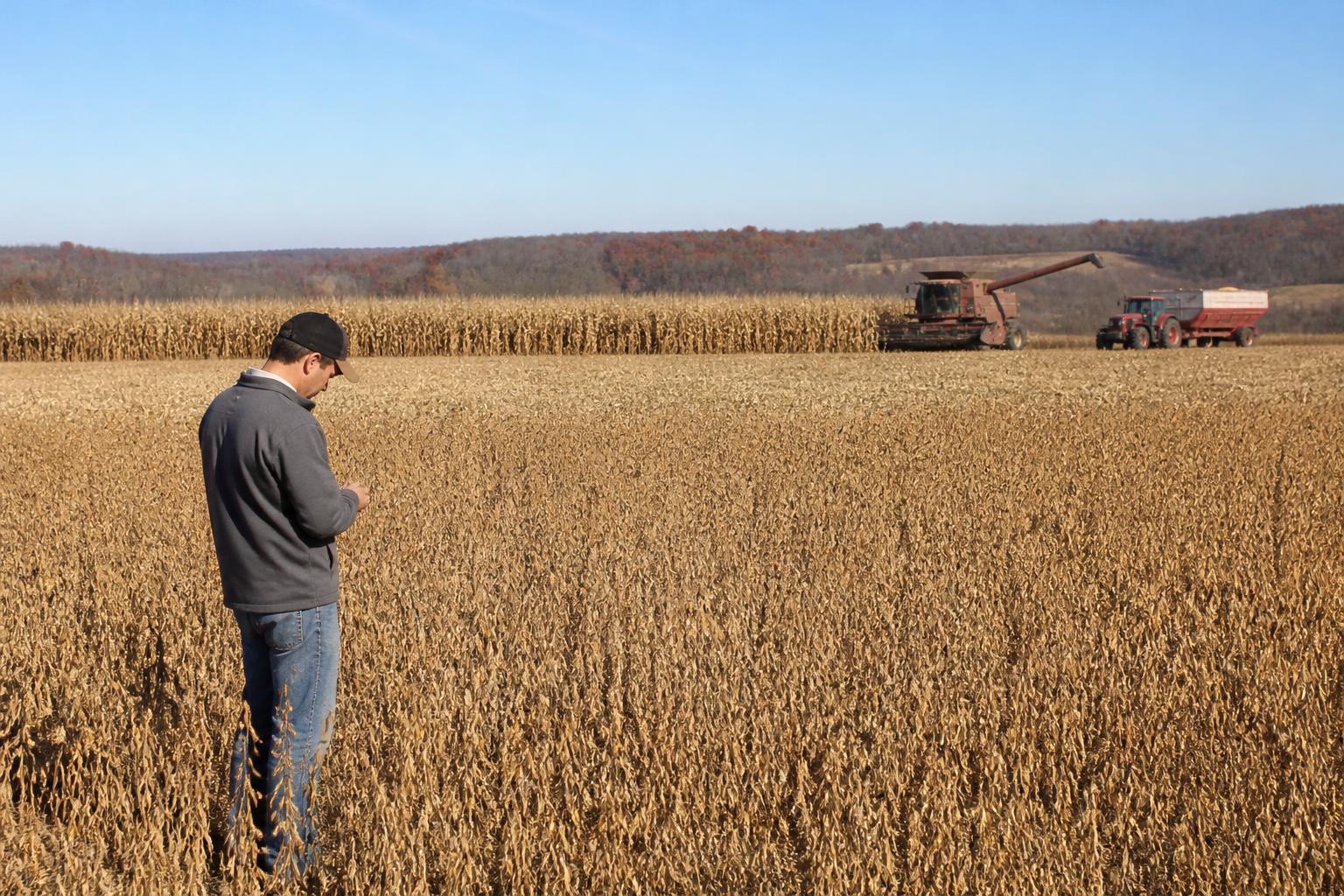
As the fall season progresses across Texas, ranchers and agricultural producers are increasingly focused on protecting herd health and forage quality. Recent environmental shifts have drawn greater attention to the intersection of climate patterns and pest activity, particularly regarding how warmer conditions can influence the behavior of damaging insects like mealybugs. These shifts often complicate pasture management, requiring producers to remain vigilant as they time treatments to preserve feed supplies for the coming winter months.
Protecting these foundational assets remains a high priority for the state's agribusiness sector. Beyond managing immediate field-level health, there is a growing emphasis on long-term biosecurity infrastructure. Efforts to mitigate risks from livestock pests and disease are being bolstered by federal initiatives, including significant hiring efforts for large-scale facilities designed to combat serious threats like the New World screwworm. These projects are intended to provide a robust, long-term shield for Texas livestock, ensuring that production remains resilient against both domestic and external biological pressures.
Aligning Technology and Infrastructure for Resilience
In addition to active pest management, producers are exploring how modernized agricultural storage and processing capacity can improve overall farm-gate security. By integrating advanced tools and sustainable input strategies, such as precision fertigation, operators are finding new ways to optimize resource use while maintaining high quality standards. These investments help create a more stable environment for producers who are navigating an increasingly complex global market landscape.
The push for regional stability also extends to how Texas engages with global food markets. As local leaders examine the impact of data centers and broader agricultural policies, the goal remains to sustain high-value production and maintain the state's competitive edge. For producers, the focus in the current season is to balance these long-term structural improvements with the day-to-day necessity of managing input costs while maintaining robust field health.
What it means for the market
For Texas agribusinesses, the current environment necessitates a dual strategy: immediate vigilance against seasonal pest pressures and strategic alignment with new, large-scale biosecurity infrastructure. As the state moves further into the fall, producers should expect continued emphasis on disease prevention and the adoption of precision inputs, both of which are essential to buffering operations against localized volatility and maintaining long-term profitability.
Comments
No comments yet - be the first to share your take.