
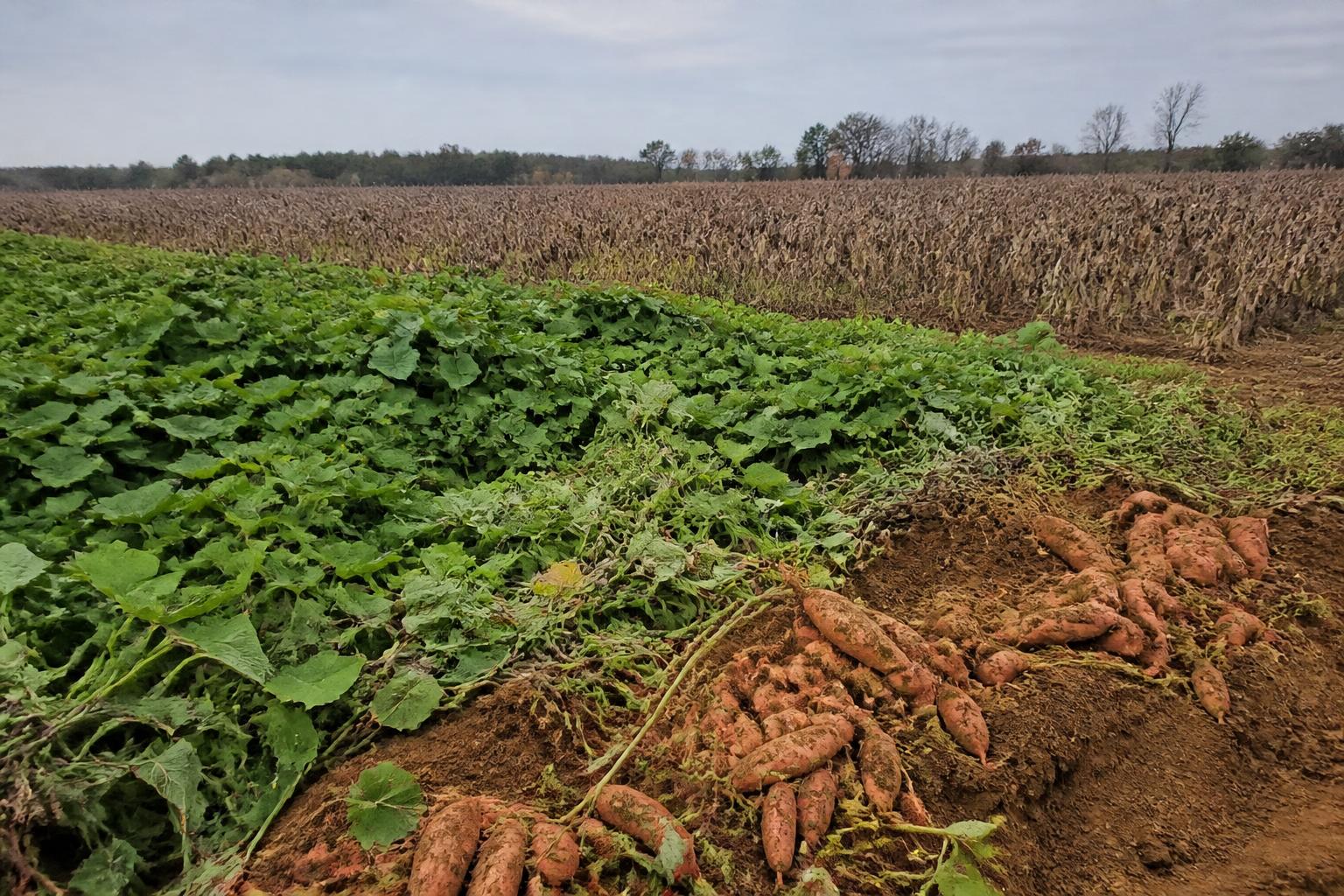
Delta Drought Conditions Persist
As the fall season progresses, the agricultural landscape in the Mississippi Delta continues to grapple with persistent and extreme drought. These moisture deficits are shaping operational decisions for producers who are evaluating the long-term impact on soil moisture profiles and planning for the upcoming cycle. Managing river logistics during dry spells often adds a layer of complexity to crop movement, necessitating careful planning for those relying on waterway infrastructure.
Research Boost for Sweet Potato Growers
Despite environmental hurdles, there is positive momentum for specialty crop production in the state. The Mississippi State University MAFES Pontotoc Experiment Station has recently secured a USDA grant focused on strengthening sweet potato research. This initiative is designed to bolster regional production resilience and efficiency. Such advancements are critical for growers looking to maintain market competitiveness and navigate the complexities of modern agricultural production.
Infrastructure and Market Outlook
For grain handlers and agribusinesses across Mississippi, the current environment emphasizes the need for operational flexibility. Whether addressing infrastructure limitations or adapting to changing regional growing conditions, stakeholders are increasingly focused on long-term sustainability. The intersection of improved crop research and regional logistics will remain a key driver for the state's agricultural economy moving into the winter months.
What it means for the market
Producers and logistics providers should anticipate continued monitoring of water levels and drought impacts, which may influence transit costs and storage strategies. Meanwhile, the investment in sweet potato research indicates a strategic pivot toward diversifying regional agricultural output, providing a potential hedge for those looking to stabilize their operations against climate-related volatility.
Comments
No comments yet - be the first to share your take.