
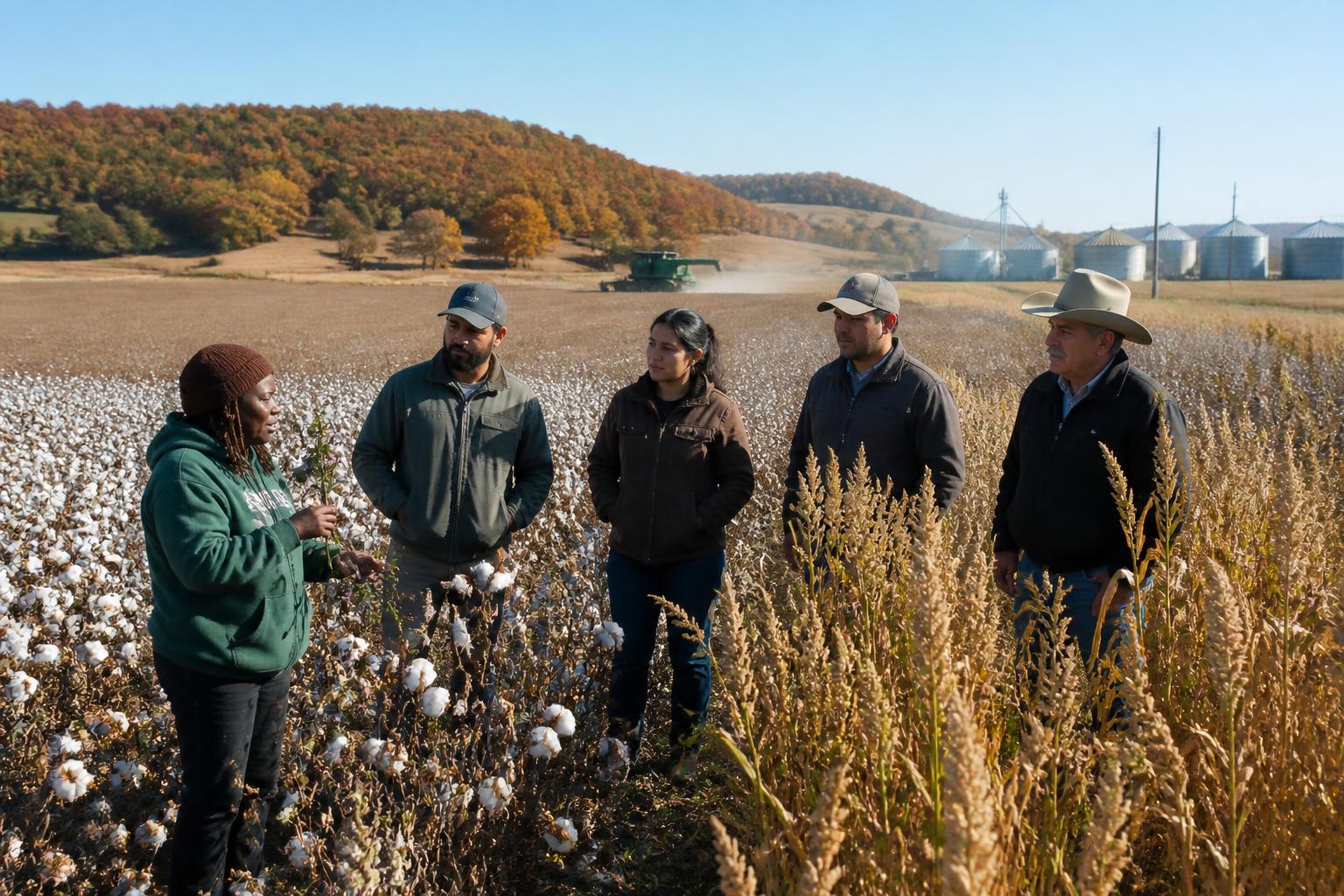
Texas agriculture continues to adapt as producers navigate a complex late-fall season, balancing traditional field management with the emergence of new technologies. With harvest activities winding down in many regions, the focus is shifting toward winter soil preparation and long-term land stewardship.
A notable development in crop risk management involves advancements in industrial hemp research. Recent work by Texas A&M AgriLife Research has successfully produced a hemp plant with no detectable THC levels. For growers looking to diversify their operations, this innovation could provide a significant pathway to minimize the risk of crop destruction associated with compliance issues, offering a more stable environment for those entering the specialty fiber or grain markets.
Regulatory and Resource Management
State-level oversight remains a central theme for agribusinesses and individual landowners alike. As the state administration looks toward upcoming cycles, agency leaders continue to emphasize a mission centered on protecting both land and the individuals who cultivate it. Producers are increasingly encouraged to align their shifting regulatory and climate strategies with updated local conservation standards, particularly as the state soil and water boards receive redirected resources to address persistent challenges such as invasive feral hog populations.
Building for the Future
Beyond regulatory compliance, the focus on soil health remains a high priority for Texas producers. Recognition for excellence in soil science research at the university level highlights a growing emphasis on high-tech, data-driven farming methods. For many farmers and elevator operators, this academic push reinforces the need to integrate more precise soil management practices, which can directly influence crop resiliency during periods of weather instability.
What it means for the market: Producers should anticipate a continued emphasis on risk-reducing technologies that lower regulatory burdens. As new, low-risk crop varieties move toward commercial viability and local agencies prioritize land protection funds, agribusinesses that invest in modernized compliance tools and sustainable soil practices are likely to find themselves better positioned for the upcoming growing season.
Comments
No comments yet - be the first to share your take.