
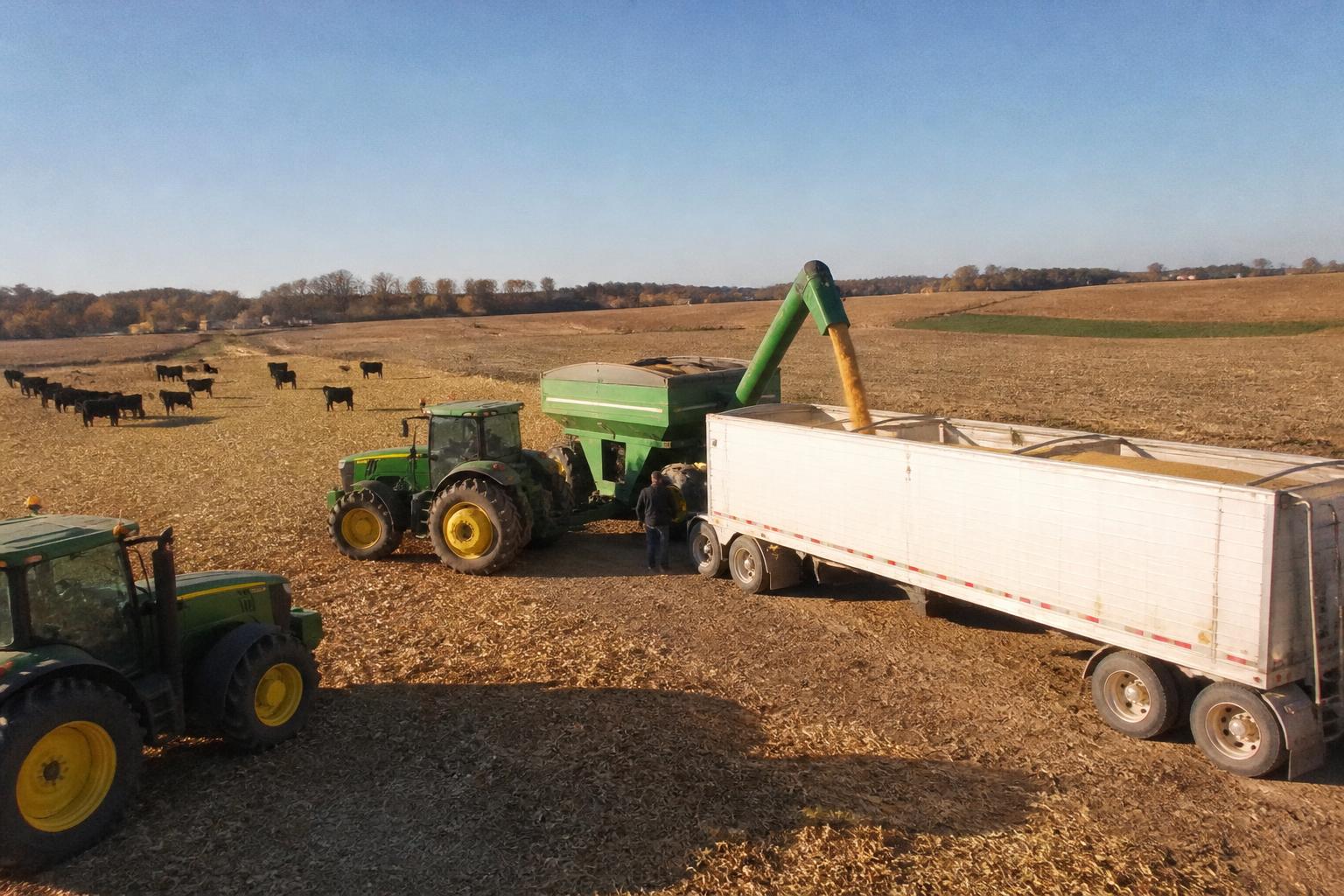
With the autumn harvest season nearing completion across the plains, North Dakota growers are shifting their focus from field operations to inventory management. Market activity remains steady as participants await further signals in demand, balancing the remaining volumes of the current crop cycle against ongoing logistical considerations.
For those managing grain movement through regional hubs, the focus remains on maintaining operational efficiency as the window for final field work closes. The interplay between local storage capacity and rail throughput continues to be a primary consideration for producers evaluating their marketing timelines in the coming weeks.
Evaluating Logistical and Storage Strategies
Efficient management of crop integrity and logistical efficiency remains essential for North Dakota producers navigating this stage of the calendar. Producers often look to optimize storage space and transport schedules as they prepare for winter storage conditions. Understanding how to balance late-fall grain logistics can help agribusinesses mitigate the risks associated with potential weather-related transportation bottlenecks that sometimes occur in the Northern Plains.
Market Outlook and Regional Considerations
While regional interest often centers on the flow of commodities toward major export corridors, producers are also keeping a close watch on broader economic conditions affecting input costs and financial stability. The general consensus among many agricultural stakeholders is to maintain a cautious approach to cash flow as the industry transitions into the dormant season. Monitoring federal policy updates and regional production performance remains a standard part of the operational planning for many family-run and commercial operations in the state.
What it means for the market
The current market landscape suggests that while physical harvest pressure is easing, the focus for the remainder of the year will likely revolve around prudent inventory handling and preparing for the next production cycle. For producers and elevator operators alike, staying informed about regional rail performance and local storage trends will be key to navigating the seasonal lull before the spring planning period begins.
Comments
No comments yet - be the first to share your take.