
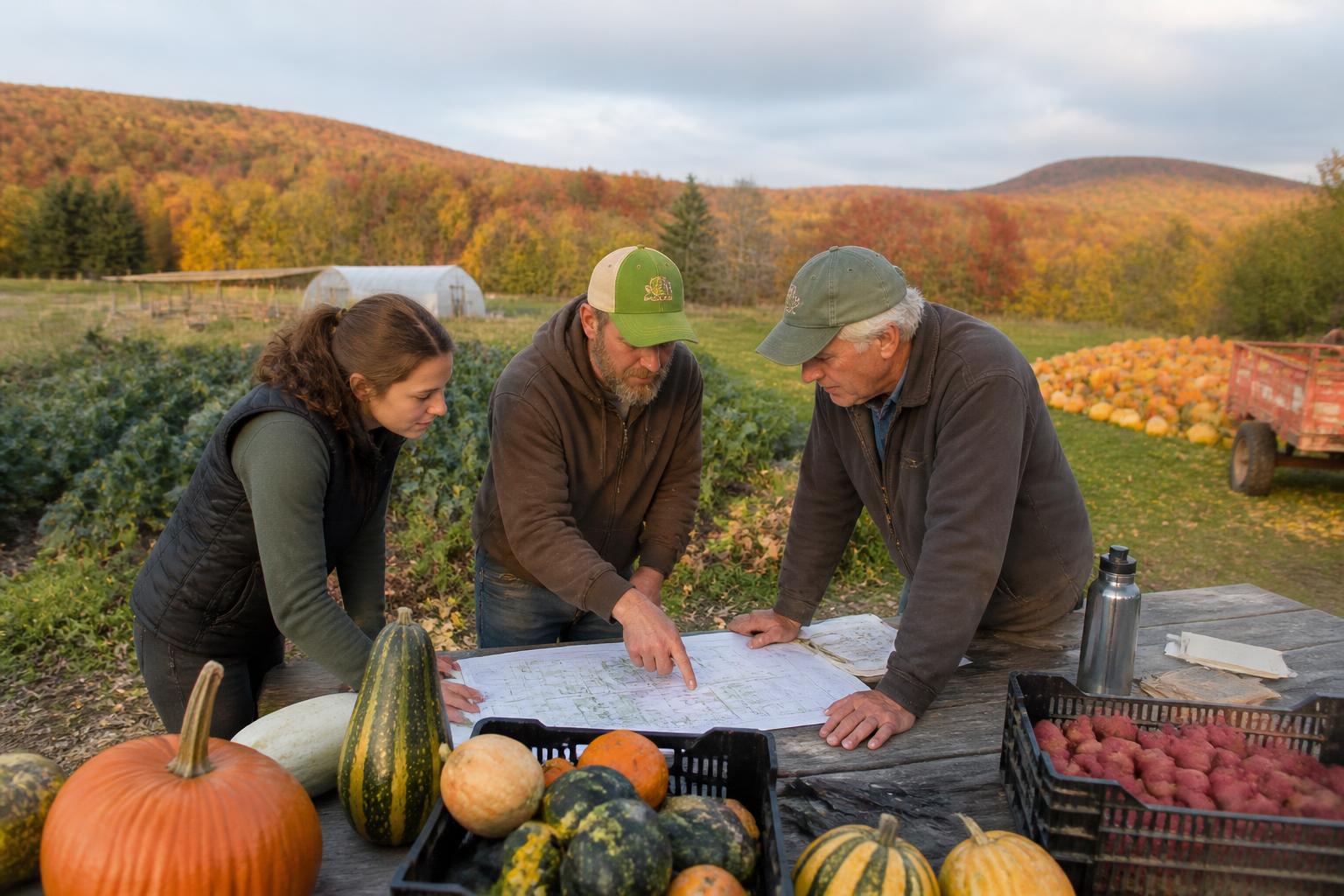
As the fall season draws to a close across New Hampshire, growers and farm managers are shifting their attention from harvest logistics to long-term resource management. With field conditions cooling, many producers are utilizing this transition period to evaluate land use, soil health, and the integration of sustainable practices that can protect against future climate volatility.
For many local agricultural operations, the focus is currently on securing the necessary technical assistance and planning support to modernize their approach. By investing time now in comprehensive conservation plans, farms across the state can better prepare for the coming spring season while aligning with current regional development goals.
Aligning with Federal and State Support
New Hampshire producers are increasingly turning toward structured support programs to navigate the complexities of modern land management. Recent initiatives designed to assist farmers in New Hampshire and neighboring Vermont are providing critical resources for conservation planning, helping operators identify high-impact improvements to their existing acreage.
These efforts often run in tandem with broader funding opportunities, such as those detailed in the latest conservation frameworks. By actively engaging with these resources, farmers can better manage their natural assets, potentially mitigating risks associated with extreme weather events that frequently impact New England agriculture.
Building Operational Stability
Efficient management goes beyond basic crop protection; it involves a holistic look at how logistical and environmental factors influence the bottom line. As discussed in recent analysis regarding seasonal protection strategies, proactive planning remains a cornerstone of agricultural success in this climate. Whether it is improving irrigation efficiency in the Connecticut River Valley or managing soil erosion in hilly terrain, site-specific conservation planning helps ensure that inputs are used effectively.
Furthermore, as producers look toward the 2026 season, those who integrate robust planning into their workflow are better positioned to participate in specialty crop grant programs. Staying informed on advanced risk management tools allows growers to layer financial protection with land-stewardship practices, creating a dual-layered defense against market and environmental instability.
What it means for the market
For the New Hampshire agricultural sector, this emphasis on conservation and strategic planning reflects a shift toward long-term resilience rather than short-term output. Growers who utilize the winter months to finalize their planning and secure potential grant support will likely experience lower operational risks in the coming year, leading to a more stable local food system and a more competitive position in regional produce markets.
Comments
No comments yet - be the first to share your take.