
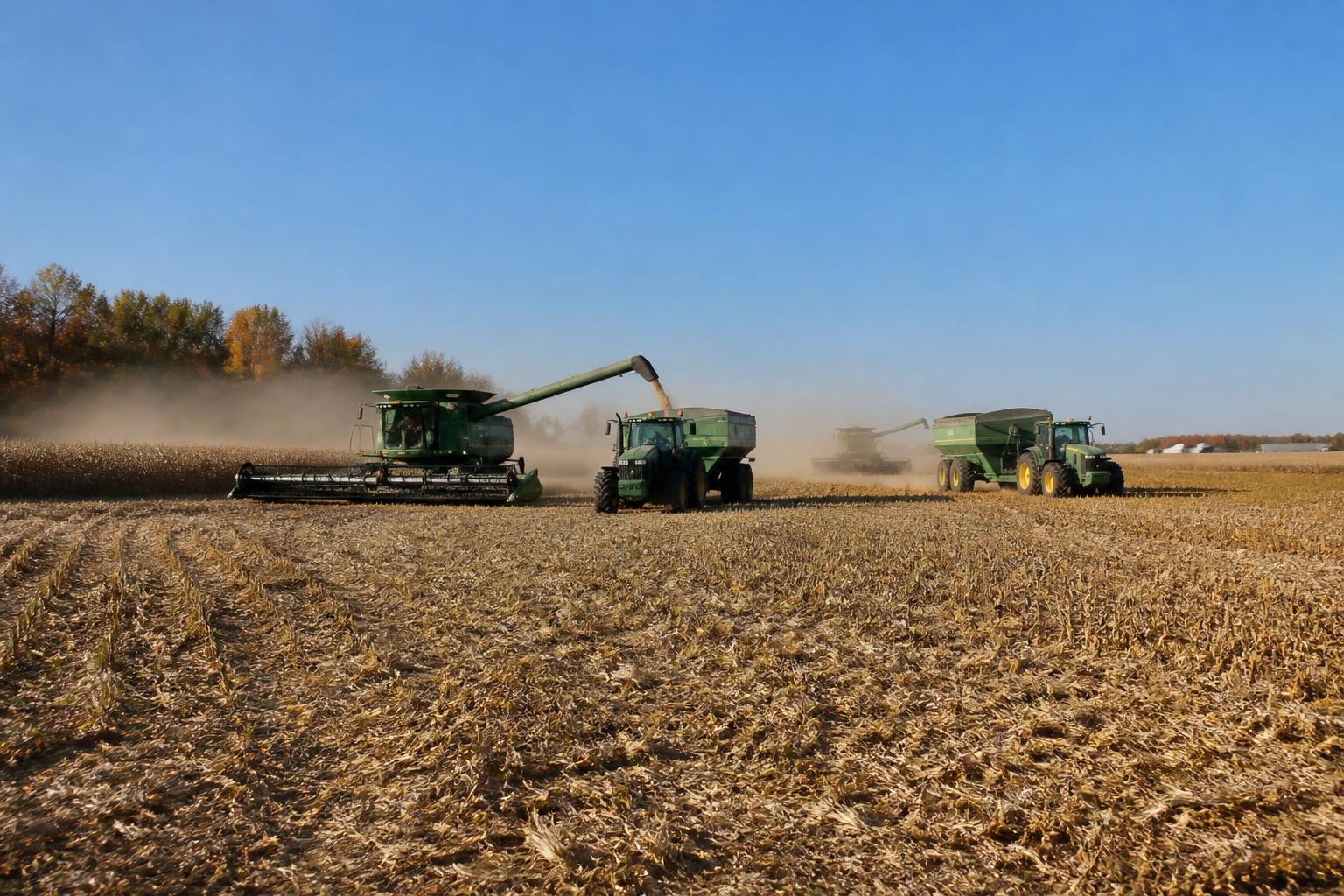
In Arizona, the fall season brings a specific set of operational challenges and opportunities for growers and agribusinesses. As harvest cycles shift and the focus moves toward post-harvest processing, the efficiency of local supply chains often hinges on the adoption of modern technology and precise market data. Producers across the state, from the fertile corridors near the Gila River to the wider agricultural hubs, are increasingly looking at how better equipment can bridge the gap between field output and market readiness.
For those managing grain or specialty crop storage, the push for automation in processing equipment represents a growing trend. Enhancing equipment capabilities can not only help stabilize the quality of goods arriving at local elevators but may also play a role in mitigating some of the logistical bottlenecks that often emerge during peak transit periods. As we move through the later months of the year, ensuring that on-site processing is synchronized with regional transit availability is key for maintaining profitable margins.
The Role of Data in Market Stability
Beyond the physical infrastructure, the ability to predict price volatility has become a critical management tool. Recent research underscores why relying on a single model for market forecasting often falls short in the volatile environment of modern agriculture. By utilizing a diverse range of analytical tools, Arizona agribusinesses can create more robust procurement strategies, allowing them to better navigate fluctuating input costs and shifting seasonal demand.
Aligning Logistics with Seasonal Shifts
Logistics in the Southwest are highly sensitive to seasonal demand. Whether moving goods to major distribution centers or preparing for cross-border export windows, keeping a close eye on the intricacies of Arizona ag logistics is vital for maintaining fluid operations. During the fall, as regional traffic patterns evolve, coordinating transportation capacity well in advance can help prevent the common congestion issues seen at high-volume transfer points.
What it means for the market
The convergence of automated processing and multi-faceted forecasting signals a shift toward a more data-driven, resilient agricultural sector in Arizona. For farmers and handlers, this means that investments in technology are no longer just about output capacity; they are about gaining the flexibility needed to respond to unpredictable market conditions. Those who successfully integrate these technological upgrades into their existing logistical frameworks will likely be better positioned to manage seasonal volatility throughout the coming winter months.
Comments
No comments yet - be the first to share your take.