
Finalizing Field Documentation
With the current fall season reaching its peak, Louisiana producers are entering a critical window for administrative compliance. The USDA is encouraging farmers across the state to maintain focus on upcoming crop acreage report deadlines. Precise documentation is essential for ensuring eligibility for federal programs and protecting your operations against potential volatility in the coming production cycle.
Accurate reporting also assists in tracking regional moisture levels and crop health, which are increasingly monitored by satellite technology to better understand the impact of seasonal thirst on both fields and forests throughout the state.
Transportation Safety and Operational Risks
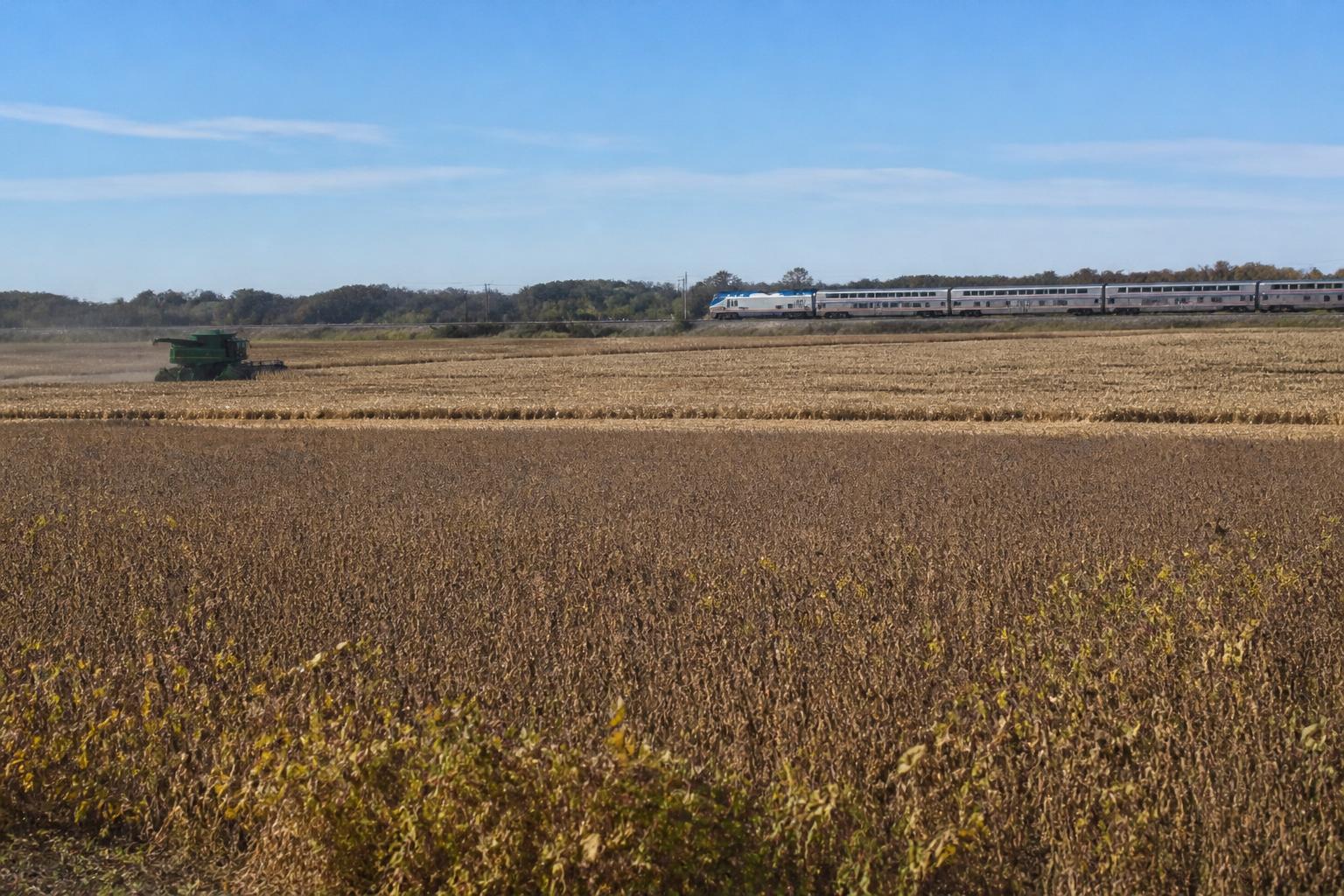
As harvest activity continues, rural road safety is a significant concern for the agricultural community. Recent transit-related incidents involving heavy machinery and rail crossings have highlighted the importance of vigilance during peak transport times. For those managing farm inputs or moving harvested crops to river terminals along the Mississippi or local elevators, maintaining high situational awareness at rail-grade crossings is vital.
Understanding the complexities of state infrastructure, including local rail logistics and compliance, helps prevent costly delays and ensures that grain and chemical inputs reach their destinations safely as you prepare for the close of the season.
Key Takeaways for Producers
- Verify all acreage report submissions with local FSA offices to avoid late-filing penalties.
- Review rural transit routes for potential safety hazards at rail crossings, particularly during early morning or late evening transport.
- Utilize updated satellite data tools if available to assess field moisture conditions before planning end-of-year maintenance.
What it means for the market
Proactive management of documentation and transit safety directly impacts the bottom line by reducing the risk of administrative ineligibility and logistics-related downtime. As Louisiana producers look ahead, staying disciplined with USDA reporting and prioritizing equipment safety will support a more secure transition into the winter months.
Comments
No comments yet - be the first to share your take.