
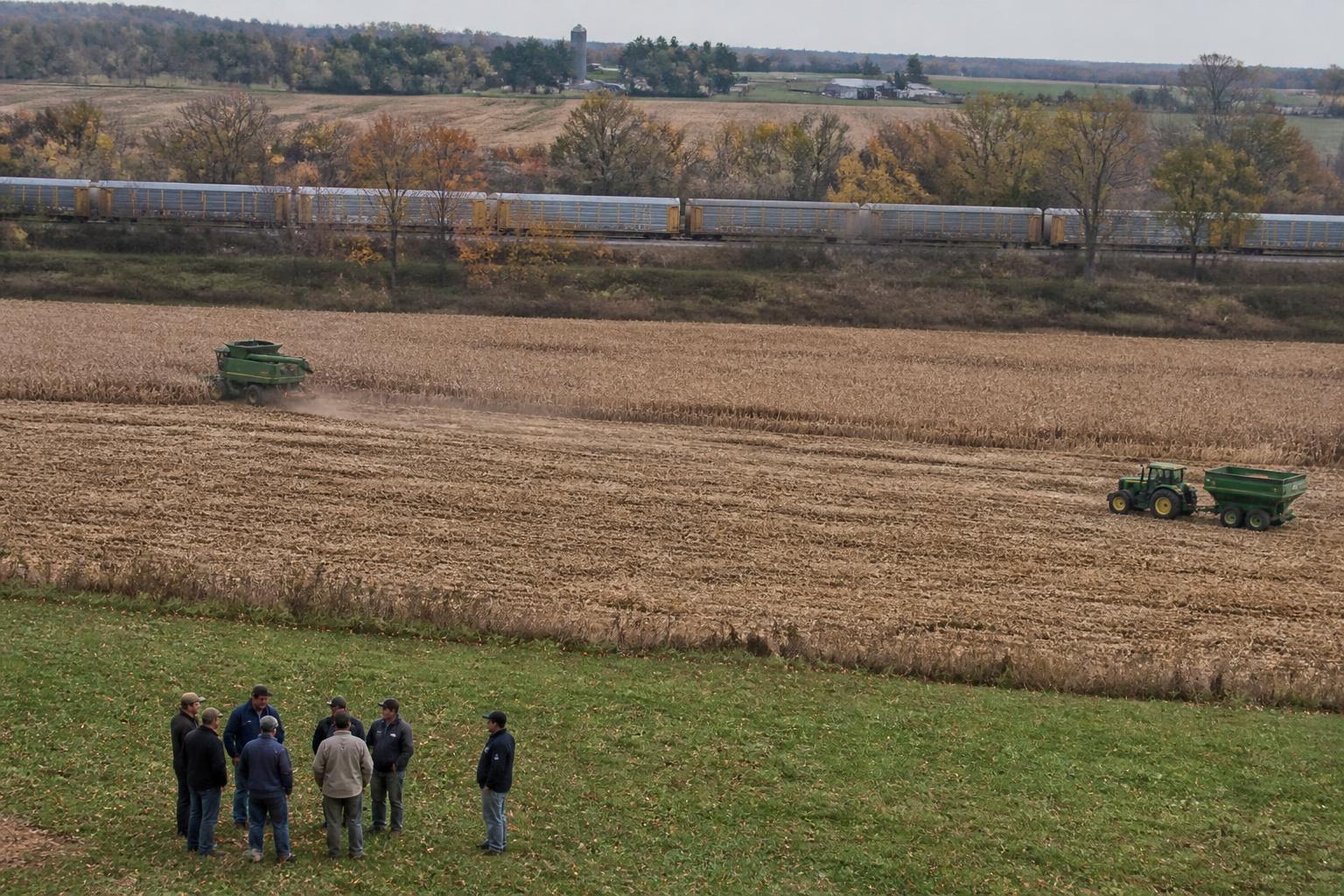
As we navigate the peak of the fall season, Louisiana agricultural producers and agribusinesses are balancing long-term logistics concerns with immediate administrative requirements. The efficiency of the rail network remains a top-of-mind issue, particularly regarding potential changes to competitive landscapes that could impact the movement of commodities toward Gulf ports.
For those managing grain inventories or coordinating downstream logistics, staying informed about Gulf export dynamics is essential. Current discussions regarding major rail carrier consolidation have drawn scrutiny from state officials and agricultural groups concerned about the potential for reduced competitive options and increased shipping costs.
Rail Consolidation and Agribusiness Stability
The proposed merger between major rail operators has sparked significant pushback across Louisiana. Local stakeholders often argue that robust competition among rail providers is vital for ensuring timely delivery of grains, chemicals, and other essential inputs. Any shifts in rail infrastructure ownership or operating policy may have ripple effects on how quickly products reach facilities in the Mississippi River corridor. Monitoring these developments is critical, especially as fertilizer market shifts and input procurement cycles align with these logistics hurdles.
Crop Reporting and USDA Compliance
Beyond logistics, the administrative calendar remains a priority for producers in every parish. The U.S. Department of Agriculture continues to emphasize the importance of timely crop acreage reporting. Accurate documentation is not only a regulatory requirement but also serves as the foundation for participation in various federal programs and safety nets. Producers should ensure that their reports reflect the current season accurately to avoid delays in processing or potential adjustments to program eligibility.
What it means for the market
The convergence of infrastructure concerns and regulatory deadlines underscores the need for proactive communication. Whether you are finalizing harvest records or adjusting your sugarcane harvest strategies, being prepared for changes in freight accessibility or reporting nuances can help maintain margin stability. As we move further into the fall, keep a close watch on how rail carrier disputes influence spot pricing and transport lead times across the region.
Comments
No comments yet - be the first to share your take.