
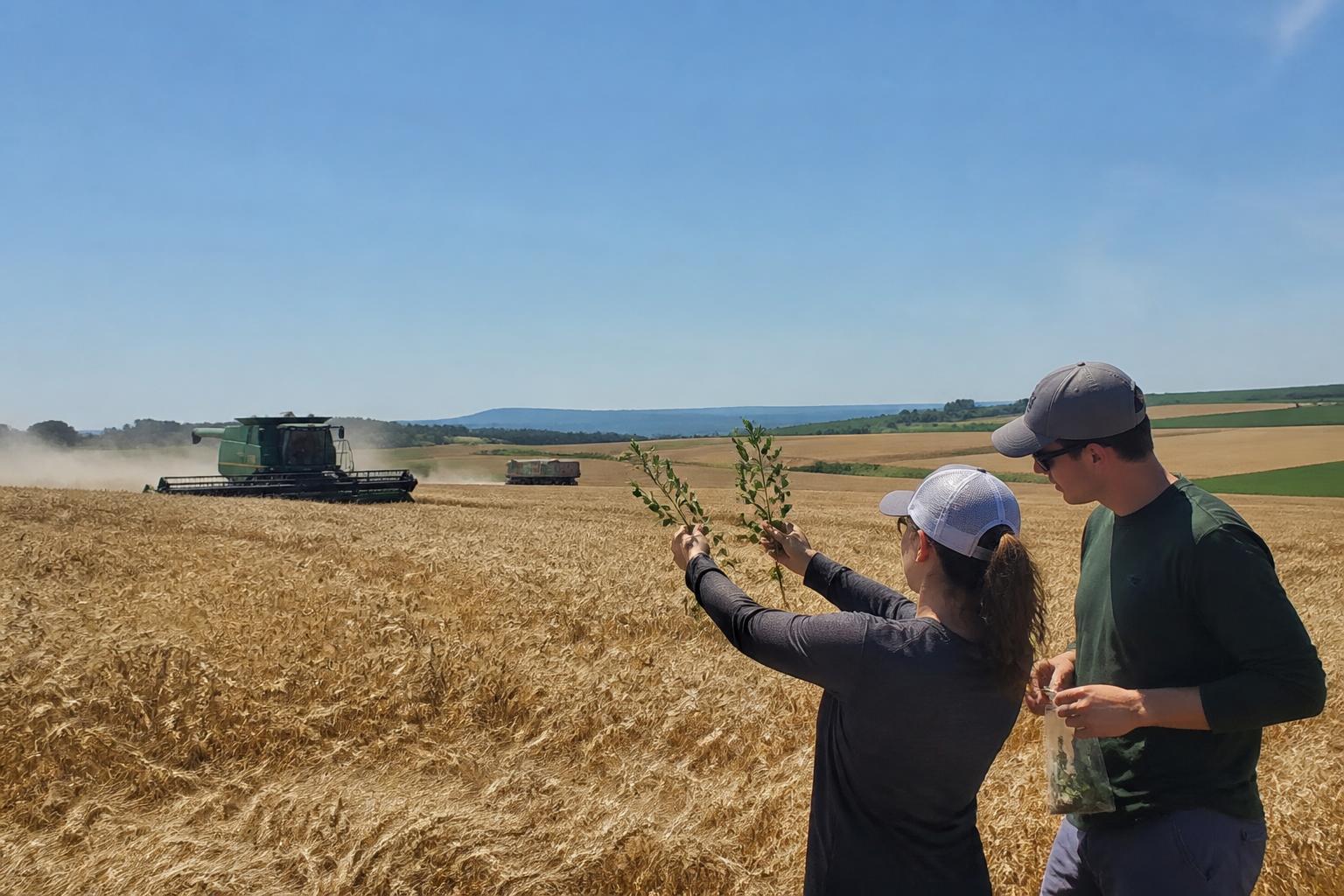
As the summer harvest gets underway across Oregon, dryland grain growers in the Columbia Basin and eastern counties are navigating a complex economic landscape. Rising operational expenses, driven by fuel costs and tariff-related fertilizer pressures, have tightened margins for the state's multi-billion dollar agricultural sector. In response, producers are increasingly leaning on long-term soil health strategies and regional crop innovations to protect their bottom lines.
Efficient shipping remains a critical component of market access during high-volume periods. As growers coordinate local transport, keeping an eye on regional export routes is essential, especially after the Port of Portland re-opened container operations ahead of summer harvest, offering a timely option for regional logistics.
Managing High Input Costs and Operational Margins
Input volatility continues to weigh heavily on Pacific Northwest grain farms. A recent report from the National Association of Wheat Growers (NAWG) highlighted how rising fertilizer costs, compounded by international tariffs, have added significant financial burdens to dryland operations. When combined with elevated fuel prices, growers are forced to seek maximum efficiency in their application timing and field passes.
To offset these pressures, many producers in dryland regions like The Dalles and Pendleton are relying on conservation tillage. Implementing no-till practices helps conserve vital soil moisture during the hot summer months, reducing the number of tractor passes required and directly lowering fuel consumption. Strategic nutrient management and precise fertility timing are also helping growers optimize their input investments without sacrificing yield potential.
Enhancing Soil Health with Legume-Based Rotations
Long-term sustainability is proving to be a valuable tool for economic resilience in eastern Oregon dryland wheat systems. Recent research highlights how integrating legume-based rotations into traditional wheat fallow cycles can significantly enhance long-term soil carbon storage. Legumes such as peas and lentils not only naturally fix nitrogen, reducing the need for synthetic fertilizers, but they also improve overall soil structure and water-holding capacity.
These crop rotations provide a dual benefit: they diversify a farm's marketable commodities while actively restoring soil health. By keeping living roots in the ground and minimizing fallow periods where moisture and organic matter can be lost, local growers are creating more robust cropping systems capable of weathering both climatic and market volatility.
Diversification and Research Innovations in Oregon Grains
Beyond traditional wheat, Oregon State University (OSU) is leading research into alternative grain opportunities. A 2 million dollar project focused on "naked" (hull-less) barley aims to develop versatile varieties suitable for food, animal feed, and organic brewing. Hull-less barley requires less processing after harvest, potentially opening new, high-value domestic markets for regional growers looking to diversify their crop portfolios.
Simultaneously, regional scientists are addressing common production threats with low-cost, creative solutions. OSU researchers have explored simple methods for controlling destructive crop pests, such as utilizing bread dough as a low-cost trap bait for slugs and snails, and have developed advanced forecasting models for invasive pests like the spotted lanternfly. These practical research efforts help farmers protect high-value grain crops from damage while keeping management costs low.
What it means for the market
For Oregon grain handlers, exporters, and growers, the current summer season highlights the importance of balancing agronomic efficiency with strategic marketing. While high fuel and fertilizer costs present immediate challenges, adopting soil conservation practices, utilizing diversified crop rotations, and capitalizing on stabilized regional shipping corridors will be key to maintaining the competitiveness of Pacific Northwest grains in both domestic and international channels.
Comments
No comments yet - be the first to share your take.