
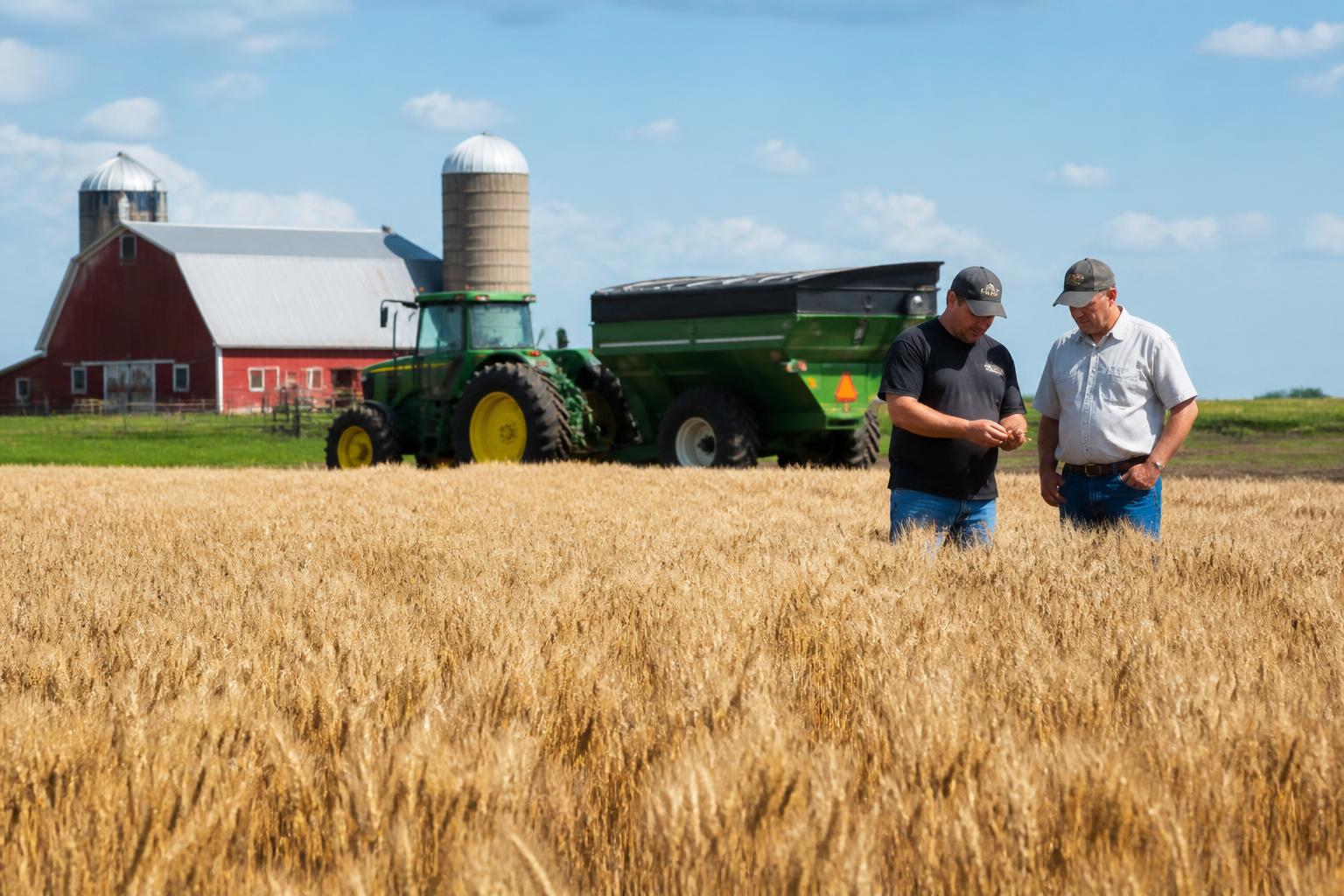
Minnesota grain producers are facing a pivotal transition as the summer heat settles over the Upper Midwest. From the fertile fields of the Red River Valley to the southern borders along the Interstate 90 corridor, managing risk in the current grains market requires a sharp eye on both local grain quality and structural logistics. Elevators and farm offices are closely analyzing crop conditions, marketing timelines, and shipping capacity as they prepare for the upcoming harvest cycle.
Wheat Quality and the Impact of Falling Numbers
For growers in the northern grain-producing counties, hard red spring wheat management is a primary focus this season. Yield potential is only part of the equation; grain quality remains the ultimate driver of farm-gate prices. In wet or humid harvest windows, low falling numbers - a key measurement of alpha-amylase activity and sprout damage - can significantly discount grain loads at local elevators. Low falling numbers indicate that the starch in the wheat has started to break down, rendering the flour less suitable for commercial baking and driving down market premiums.
To mitigate these risks, regional researchers have focused on breeding resilient varieties. The "MN-Torgy" wheat variety, developed for regional adaptation, has gained attention for its strong straw characteristics, which help crops stand upright through summer storms. Selecting seed varieties with high lodging resistance and robust genetic traits is a critical step for long-term risk management in the state. To offset these variables, growers are encouraged to review the latest Minnesota grain market update on quality and logistics to stay ahead of regional delivery issues.
Railroad Bottlenecks and Shipping Constraints
Transporting grain from rural Minnesota to global trade terminals remains a persistent challenge for the agricultural sector. Freight delays on major Class I railroads have historically cost the state's agricultural industry millions of dollars in lost efficiency, delayed contract executions, and elevated basis levels. When rail lines experience backlogs, elevators are forced to limit their intake capacity, creating a domino effect that forces farmers to find alternative, often costlier, storage solutions.
These logistics hurdles highlight the importance of diversified shipping routes. Whether moving grain down the Mississippi River system or routing unit trains toward Pacific Northwest ports, local operators must remain highly adaptable. High energy costs can further complicate these dynamics, altering the price relationship between grain transportation and local feed demand.
Adapting to Evolving Seed and Compliance Markets
Minnesota's seed and grain marketing landscape is also adapting to structural shifts. Legacy businesses like the Albert Lea Seed House continue to adjust to changing farm dynamics by offering diverse seed options, catering to both conventional operations and the resilient organic sector. This flexibility is essential, especially following high-profile industry disruptions such as the Pipeline Foods bankruptcy, where legal decisions eventually allowed farmers to sell undelivered grain, highlighting the legal and financial complexities of specialized marketing contracts.
Furthermore, voluntary programs like the Minnesota Agricultural Water Quality Certification Program are helping producers earn recognition - and potentially higher margins - for sustainable land stewardship. Implementing these practices can open doors to premium markets, helping farmers offset volatile commodity prices.
Key Takeaways for Minnesota Producers
- Monitor Falling Numbers: Sprout damage can quickly erode wheat quality. Keep a close watch on weather forecasts during critical pre-harvest weeks.
- Divert Transportation Risks: Maintain open communication with local elevators regarding rail car availability and regional basis changes.
- Utilize Certified Programs: Explore state-backed water quality certifications to enhance land value and qualify for potential environmental premiums.
What it means for the market: Minnesota's grain market this summer is defined by quality preservation and logistics management. While localized production looks promising, the actual value of the crop will depend on maintaining high milling standards and navigating the persistent rail delays that impact the Upper Midwest shipping corridors.
Comments
No comments yet - be the first to share your take.