
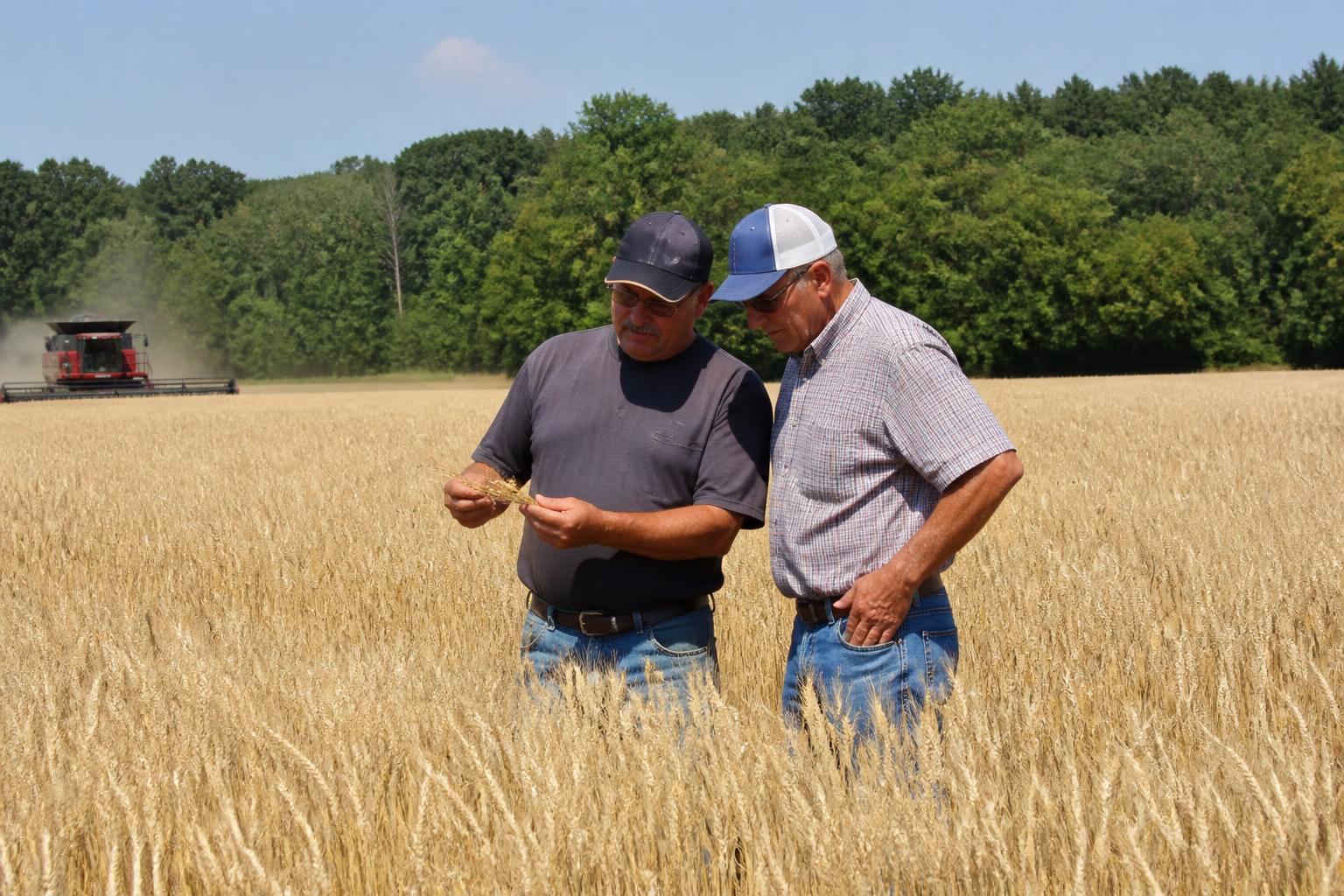
Strengthening the logistical pathways between Upstate growers and Downstate consumers remains a top priority for New York's agricultural sector. This new injection of infrastructure funding aims to help schools and regional hubs coordinate more effectively with local farms, ensuring fresh produce, dairy, and meat can be efficiently transported and processed within regional networks.
Upgrading Local Cold Chains and Processing Hubs
Moving fresh food from rural farms to institutional kitchens requires a highly coordinated transport and storage network. In many agricultural counties across Western New York, the Finger Lakes, and the Hudson Valley, local transport capacity can become strained during peak summer harvest. The $10 million grant program targets these exact bottlenecks by funding physical infrastructure like cold storage facilities, prep kitchens, and regional distribution nodes.
By establishing stronger regional hubs, the state is lowering the logistical hurdles for small and mid-sized farms that often struggle to meet the high-volume transport and food safety requirements of large institutional buyers. Improved cold storage facilities mean carriers can optimize their routes, reducing idle time and minimizing the transport-related food waste that frequently occurs due to inadequate refrigeration on short-haul routes.
With transport demands rising across the state, local infrastructure projects are increasingly critical. This shift aligns with ongoing initiatives to streamline New York ag logistics and freight partnerships, which are currently reshaping how seasonal commodities move from upstate farms to regional hubs.
Sustainability Commitments Reshaping New York Supply Chains
Beyond state-funded infrastructure, private sector changes are also influencing New York's agricultural logistics. In a recent settlement with the State of New York, food processor JBS agreed to invest $1.1 million into climate-smart agriculture initiatives. This investment is expected to support projects that reduce the carbon footprint of regional supply chains, reflecting a broader market push toward sustainable transport and sourcing practices.
As sustainability becomes central to corporate operations, regional carriers and logistics providers are finding that clean-energy logistics and traceable supply chains are no longer optional. This trend is particularly relevant in New York, where climate goals encourage shorter supply runs and more integrated, local networks.
Key Logistics Takeaways
- Funding Boost: The $10 million state grant program will build physical infrastructure to support regional distribution to schools, directly benefiting local farm-to-table transportation.
- Reduced Food Waste: Enhanced cold chain storage at regional hubs helps prevent cargo spoilage and improves local trucking efficiency.
- Smarter Supply Chains: Combining public funding with private climate-smart investments is steering New York agriculture toward more localized, lower-emission transport routes.
What it means for the market
For New York farmers, grain handlers, and regional carriers, these infrastructure upgrades represent a steadier, more reliable domestic market channel. By reducing the complexity of transporting food to schools and local institutions, the state is lowering barriers for upstate producers. Fleet operators and local logistics companies should prepare for shifts in seasonal freight lanes as new regional processing hubs come online, shifting some focus from long-distance interstate hauling to highly localized, temperature-controlled delivery networks.
Comments
No comments yet - be the first to share your take.